Apple to Stream MLB Games in Immersive Vision Pro Format
This issue covers Apple's MLB streaming in immersive VR, major acquisitions, new AR glasses, location-based XR growth, and key developer updates.

Apple to Stream Live MLB Games in Immersive Format on Vision Pro
Apple and Major League Baseball (MLB) have announced a new partnership that will bring live MLB games to the Apple Vision Pro headset, starting August 28. This move marks a significant step in Apple's efforts to expand immersive sports content on its spatial computing platform, following earlier experiments with NBA games. The new offering will include four live 'Friday Night Baseball' games leading up to September 18, with each broadcast featuring commentary from Paul Severino (play-by-play), Xavier Scruggs (analyst), and Michelle Margaux (sideline reporter).
The games will be streamed using Apple's proprietary 180-degree, 3D spatial Immersive Video format, which was previously used for Los Angeles Lakers NBA games on Vision Pro. This format enables viewers to experience the action from multiple vantage points and provides interactive overlays such as replays, team lineups, and real-time statistics floating within the viewer’s space. This approach aims to make the viewing experience more engaging and informative for fans, leveraging the unique capabilities of the Vision Pro platform.
To access the live MLB games, users will need an Apple TV subscription and a Vision Pro headset. The broadcasts will be available in several regions, including Australia, Canada, Germany, Hong Kong, Japan, South Korea, Taiwan, the UK, and the US. This broad regional availability demonstrates Apple's intent to reach a global audience with its immersive sports content. In addition to live games, users who miss the broadcasts will have access to full game replays and highlight packages on demand through the Apple TV app for Vision Pro, ensuring fans can catch up on the action at their convenience.
For professionals in the virtual and mixed reality industry, this development signals Apple's continued investment in spatial media and immersive experiences. The MLB partnership follows Apple's earlier work with NBA content, suggesting a broader strategy to position Vision Pro as a premier platform for next-generation sports viewing. The integration of multiple camera angles, interactive stats, and immersive video could set new standards for how live sports are experienced in VR, potentially influencing the direction of content development and user engagement strategies across the industry.
Source: Road to VR
OpenGate Capital to Acquire Maersk Training and VR Safety Unit
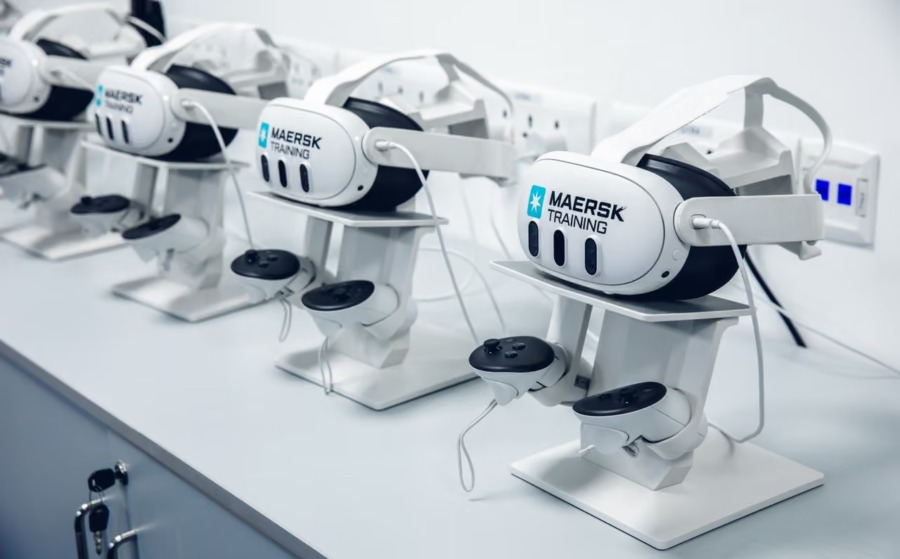
OpenGate Capital has announced a definitive agreement to acquire Maersk Training and its Maersk H2S Safety Services subsidiary from A.P. Moller - Maersk, with the transaction expected to close in 2026. This move will see Maersk Training separated from the broader Maersk group, allowing it to focus more sharply on its core offerings in training, safety, gas detection, and workforce competency solutions. The acquisition is structured as a carve-out, and financial details have not been disclosed. The deal is pending customary regulatory approvals and closing conditions.
Maersk Training, headquartered in Svendborg, Denmark, employs nearly 700 people globally and operates through two main business segments. The first, Maersk H2S Safety Services, delivers outsourced hydrogen sulfide and Health, Safety and Environment (HSE) services, including onsite supervision, monitoring, and safety equipment maintenance for clients in high-risk industries. The second segment, its Training Business, provides safety training, competency development, and simulation services across the energy, maritime, and renewables sectors. Notably, this training is delivered through a blend of instructor-led, digital, and virtual reality (VR)-enabled learning, responding to the growing demand for advanced safety solutions driven by regulatory requirements and corporate safety standards.
According to Katharina Poehlmann, Head of Strategy at A.P. Moller - Maersk and Chairwoman of Maersk Training, the transaction is expected to position Maersk Training for further growth under an owner focused on training, safety, and competency solutions. She highlighted the company’s strong foundation, skilled workforce, and established customer relationships as key assets for its continued development. OpenGate Capital’s Managing Director, Matt Keshian, emphasized Maersk Training’s global leadership in industrial safety services and its ability to help clients navigate increasingly complex safety requirements. He pointed to high-growth regions such as the Middle East and South America as areas where demand for outsourced safety solutions is rising alongside investment in energy and industrial infrastructure.
OpenGate Capital, headquartered in New York and Paris, has a history of acquiring and transforming businesses, with more than 40 platform acquisitions across Europe and North America since 2005. The acquisition of Maersk Training is expected to bolster OpenGate’s portfolio with a company that has a resilient business model, long-standing industry relationships, and technical expertise in VR-enabled safety training. For VR industry professionals, this deal underscores the increasing importance of immersive technologies in meeting regulatory and operational demands for safety and competency, particularly in sectors where risk management is paramount.
Source: Auganix
FIBA and L1VE Sign Three-Year VR Deal for 3x3 Basketball
FIBA, the global governing body for 3×3 basketball, has entered into an exclusive three-year partnership with L1VE to deliver its 3×3 World Tour, Women's Series, and World Cup events in virtual reality. This agreement introduces a new class of 'immersive live rights', designed to complement traditional broadcast and streaming by offering fans the opportunity to experience live games from a courtside perspective through VR headsets. The partnership was announced following L1VE's debut at the FIBA 3×3 World Tour event in Debrecen, Hungary, on August 29 and 30.
L1VE's platform, which supports every major immersive headset, enables fans to watch 3×3 basketball games live in stereoscopic 360° 3D. The technology captures the full venue atmosphere and fuses it into a single, real-time live scene, ensuring that viewers worldwide are present at the same moment. The experience is delivered through the L1VE app, available at l1ve.com, and includes social features that allow fans to invite friends to join them virtually, enhancing the sense of presence and community during live events.
3×3 basketball, played by two teams of three on a half-court, has grown rapidly since its international debut at the 2010 Youth Olympic Games and its Olympic debut at Tokyo 2020. The sport now boasts annual professional circuits for both men and women. FIBA's Managing Director for 3×3 Basketball, Alex Sanchez, emphasized that the discipline was created to bring the game closer to fans, and the collaboration with L1VE aims to further this mission by exploring innovative ways for global audiences to experience the sport's high-energy environment.
L1VE's platform has already been used for international live sports and music events, with a recent pre-launch featuring the Detroit Lions. According to L1VE's Chief Commercial Officer, David Morgenbesser, the fast-paced, urban nature of 3×3 basketball makes it an ideal fit for immersive VR experiences. Over the next three years, the partnership seeks to redefine fan engagement by providing a courtside, shared experience accessible from anywhere in the world.
For VR industry professionals, this deal signals a growing recognition of immersive platforms as a distinct and valuable media rights category. The integration of social presence features and real-time global access could set new standards for live sports viewing in VR, pushing the boundaries of fan interaction and event accessibility.
Source: Auganix
Location-Based XR Entertainment Expands Amid VR Gaming Shifts
As the consumer VR gaming market faces ongoing challenges, investors and developers are increasingly turning their attention to out-of-home XR attractions, also known as Location-Based Entertainment (LBE) XR. This sector leverages XR technology in a B2B2C model, aiming to deliver experiences that go beyond what’s possible in home gaming and introduce immersive tech to broader audiences. Industry specialist Kevin Williams, who leads consultancy KWP and produces the Stinger Report and SoundOff podcast, has highlighted the sector’s growth and its role in social entertainment at major conferences.
LBE XR is seeing a surge in premium experiences tied to well-known intellectual properties. For example, Zero Latency, in partnership with Sony Pictures, is launching Jumanji: The Lost Levels across more than 170 venues in December. These free-roaming VR arenas focus on social play and high-quality virtual environments, moving beyond traditional shooter formats. Sandbox VR, now with around 90 international venues, is the second-largest standalone franchise in this space. Its group-based VR experiences include high-profile IPs like Squid Game Virtual and Stranger Things: Catalyst, developed with Netflix, offering players immersive adventures within familiar worlds.
The evolution of LBE XR is also marked by larger-scale experiences, with some venues accommodating 20 to 40 participants at once—so-called ‘Virtual Adventure’ systems. Univrse, in partnership with Banijay Live Studio, has developed the Black Mirror Experience, a 50-minute traveling adventure set in the dystopian universe of the TV series. At this year’s Augmented World Expo (AWE) in Long Beach, California, the growing interest in LBE XR was evident through a dedicated show floor zone and seminar program, featuring developers like The Rabbit Hole VR, Hololabs Studio, Octopod VR, and Vertigo Games. These companies are pushing the boundaries with multiplayer escape games, portable horror attractions like Sinister Inn, and adaptations of consumer VR content for arcades.
Hardware choices in LBE XR diverge from the consumer market. While Meta Quest dominates in homes, many LBE operators are adopting the PICO 4 Ultra for its LBE-focused features, such as swappable batteries and robust support, despite its absence from Western consumer markets. HTC VIVE and, to a lesser extent, Meta Quest headsets are also used, often paired with PC VR rendering to surpass the graphical limitations of standalone devices. Hygiene and durability are critical, with companies like Cleanbox Technologies providing UV sanitization solutions for shared equipment.
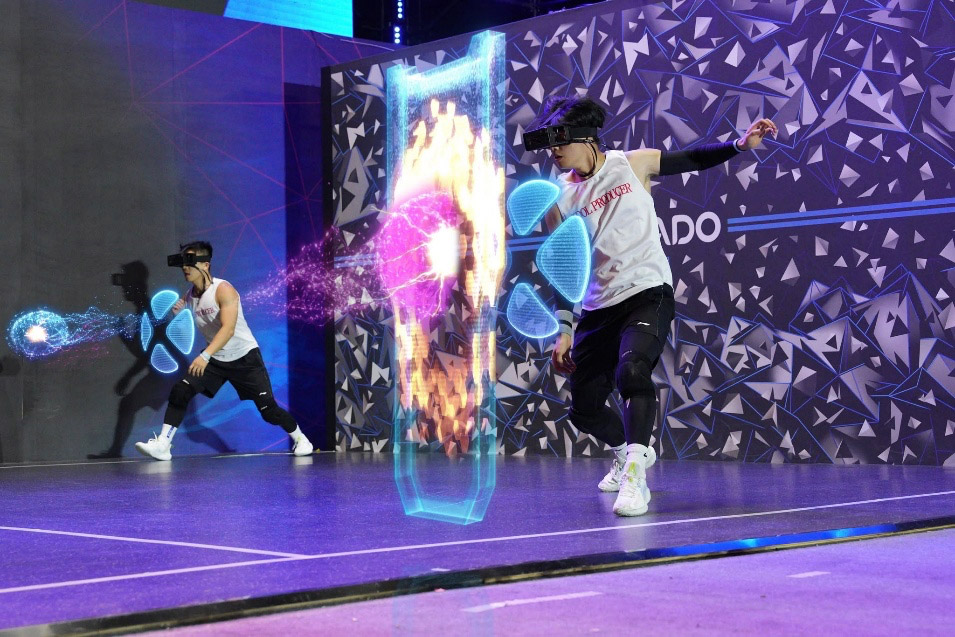
Mixed reality is making inroads, too. Dreampark’s Wizards Way uses Quest 3 headsets in pass-through mode, blending real-world navigation with virtual gameplay, and is being trialed at Dave & Buster’s in Hollywood. Spectator-focused MR is exemplified by Meleap’s HADO, a competitive virtual sports platform with millions of players and a strong tournament scene in Asia, using mixed reality visuals for both players and audiences.
Despite these advances, success in LBE XR is not guaranteed. The closure of Interstellar ARC at AREA15 in Las Vegas after only 10 months—despite its award-winning pedigree and immersive sci-fi narrative—illustrates the unique operational and marketing challenges in this space. Developers transitioning from consumer VR should be aware that LBE requires significant adaptation, and even original content can struggle if not carefully designed for the medium’s demands.
Source: Road to VR
GTA 6 Gameplay Reveal Teases VR—But Only as a Joke
The long-awaited gameplay reveal for Grand Theft Auto 6 (GTA 6) has finally arrived, drawing massive attention from fans and industry watchers alike. Rockstar Games unveiled 26 minutes of gameplay footage, which quickly amassed 1.5 million views on YouTube within just two hours of its release. The showcase highlighted the series' signature attention to detail, with a living, breathing city filled with interactive elements—buildings, vehicles, NPCs, animals, and more—all rendered with a new level of graphical fidelity that surpasses its predecessor.
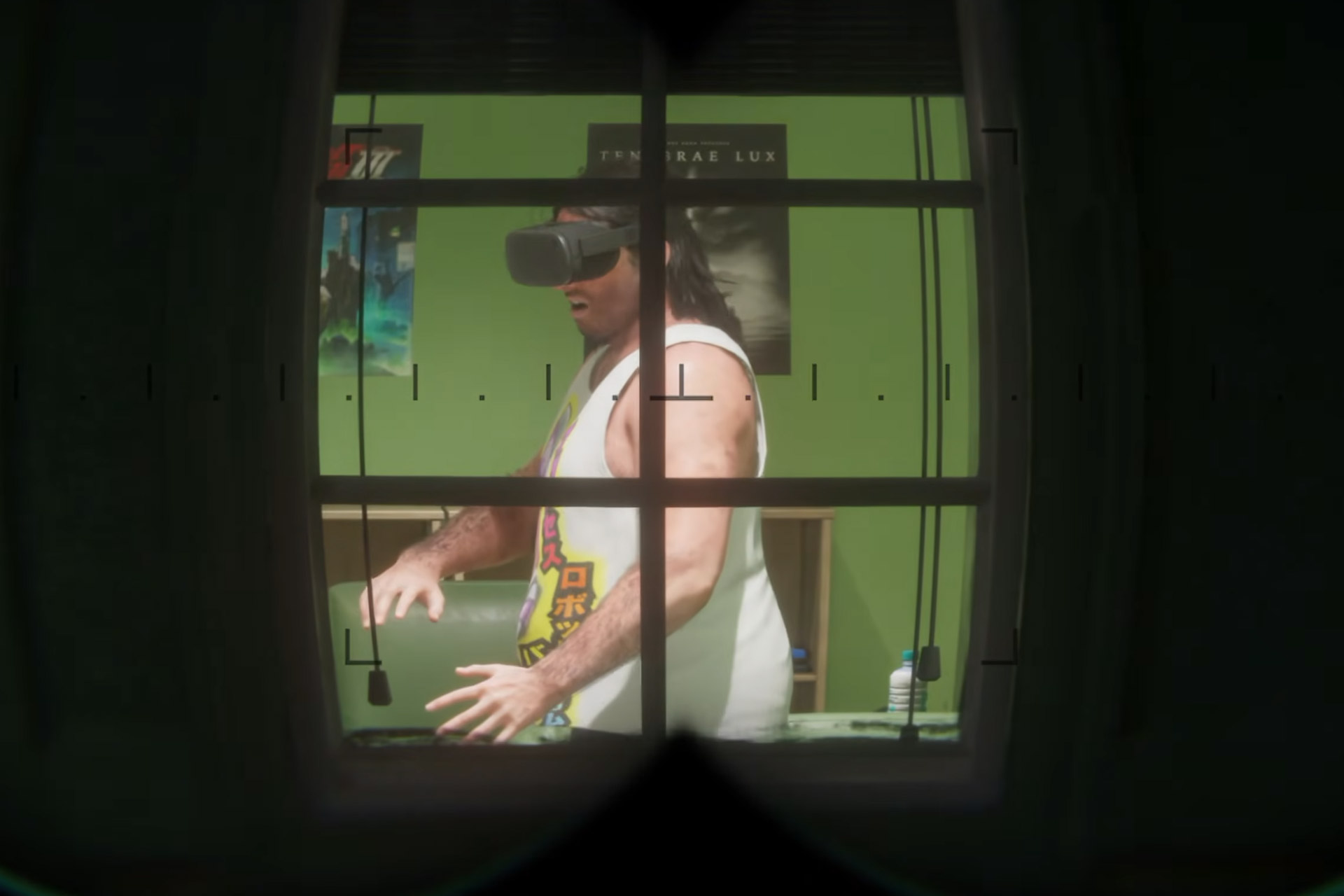
For many in the VR community, the immersive world of GTA 6 seems tailor-made for virtual reality. The intricate simulation and next-gen visuals appear to be begging for a VR headset experience, fueling hopes that Rockstar might finally bring official VR support to the franchise. However, the gameplay showcase dashed those hopes—at least for now. Instead of announcing VR compatibility, Rockstar inserted a tongue-in-cheek reference to VR at the 17:27 mark. Viewers spotted a character in-game wearing a headset clearly modeled after the original Oculus Quest, Meta’s first standalone 6DOF headset released in 2019. The scene parodied VR gaming rather than signaling any real VR integration, offering a playful nod to the technology without committing to support.
Despite the lack of official VR plans, the GTA franchise has a history of attracting modders eager to bring its worlds to virtual reality. GTA 5, for example, has inspired a wide array of unofficial VR mods over the years, allowing players to experience Los Santos in a more immersive way. Given this precedent, it seems inevitable that GTA 6 will become a prime target for similar community-driven VR projects once the game is released. However, modders and VR enthusiasts may need to exercise patience: while GTA 6 is scheduled to launch on PlayStation and Xbox on November 19th, the PC release date remains unconfirmed and is not expected until at least 2027. This delay could push back the timeline for VR mods, as most are developed for the PC platform.
For industry professionals, Rockstar’s playful jab highlights both the growing demand for VR experiences in blockbuster titles and the ongoing gap between what fans want and what developers are willing to deliver—at least officially. As the VR ecosystem matures and the appetite for immersive open-world games grows, the modding community may once again step in to fill the void left by major studios. In the meantime, the GTA 6 showcase serves as a reminder of VR’s cultural presence—even if, for now, it’s only as a punchline.
Source: Road to VR.
First Impressions of XREAL Aura: Promising AR Glasses with AndroidXR

The XREAL Aura AR glasses, showcased at AWE, have generated significant excitement as one of the first consumer-focused AndroidXR AR headsets. Developed through a collaboration between XREAL, Google, and Qualcomm, Aura stands out as the first AR glasses to run AndroidXR, marking a notable milestone in the evolution of wearable spatial computing devices.
The design of the XREAL Aura is centered on an all-in-two approach: lightweight glasses connect via cable to a computational puck that houses the chipset and battery. This split system allows the glasses to maintain a compact, sunglasses-like form factor, making them suitable for indoor and some outdoor use. The front of the glasses features two tracking cameras on the sides and an RGB vision camera in the center, accompanied by a privacy LED that activates when the camera is in use. The frames are noticeably thicker than standard eyewear, and while the glasses look stylish from the front, their bulk and the distance from the wearer’s face are more apparent from the side, potentially drawing attention in public settings.
Comfort is a mixed bag. At 95g, the glasses are heavier than typical smartglasses like Ray-Ban Meta but lighter and more comfortable than full VR headsets such as the Quest. Short-term wear feels similar to donning oversized sunglasses, but after about 30 minutes, wearers may experience some strain on the nose and ears. Additionally, the glasses can become warm on the forehead during extended use. The computational puck, weighing around 300g, is heavier than expected but can be conveniently carried in a pocket, provided it’s sturdy enough.
One of Aura’s standout features is its electrochromic dimming, which enables the lenses to dynamically adjust from transparent (for AR) to dark (for VR), with five manual levels or automatic switching based on the experience. This flexibility is a significant step toward seamless AR/VR integration, though the prism optics mean the lenses never become fully transparent, always slightly dimming the real world. While this darkening is noticeable, it does not impede normal activities in well-lit environments. The open periphery design enhances immersion in AR by preserving peripheral vision, but can detract from VR experiences by allowing real-world distractions.
Visual performance is impressive, with 1920 x 1200 pixel displays delivering sharp, well-defined images within a 70° field of view. Colors are bright in both AR and VR modes, and text remains legible for typical productivity tasks. These initial impressions suggest that XREAL Aura offers a compelling blend of style, functionality, and visual quality, albeit with some ergonomic and optical trade-offs that industry professionals will want to consider as consumer AR glasses continue to evolve.
Source: Skarredghost.
Goodbye Kansas Group to Establish Saudi Arabian Entity

Goodbye Kansas Group, known for its work in visual effects (VFX), animation, and immersive experiences for the games and entertainment industries, has announced plans to set up a local legal entity in the Kingdom of Saudi Arabia. This move is part of the Stockholm-based company's broader strategy to expand its reach into international growth markets and formalize its presence in a region with a rapidly developing digital entertainment sector.
The company stated that establishing a Saudi Arabian entity will allow it to deepen collaboration with major partners and convert a growing commercial pipeline into active contracts, particularly across the Games, Animation, VFX, and Experiential sectors. While Goodbye Kansas Group did not disclose specific partners or a timeline for the new entity's launch, the initiative is described as a deliberate step following the recent formation of its Experiential business unit. The company emphasized that a formal presence in Saudi Arabia positions it to better capitalize on opportunities within the country's multi-billion-dollar games industry and the expanding demand for immersive, location-based experiences.
Carsten Myhill, CEO of Goodbye Kansas Group, highlighted the significance of this expansion, stating that it is a natural progression of the company's increasing commercial ties in Saudi Arabia. Myhill noted the substantial potential for growth in VFX, animation, and immersive experiences in the region, and indicated that the new entity would strengthen the company's ability to secure long-term business. The move reflects the board's focus on targeting key international markets where immersive technology and digital content creation are experiencing significant investment and growth.
For professionals in the VR, AR, and immersive technology sectors, Goodbye Kansas Group's expansion into Saudi Arabia signals the growing importance of the Middle East as a hub for digital entertainment and experiential content. As the region continues to invest heavily in gaming, animation, and location-based experiences, service providers and technology companies may find increasing opportunities for collaboration and market entry. The formalization of Goodbye Kansas Group's presence could also encourage further international investment and partnership activity in the Saudi Arabian immersive tech ecosystem.
Source: Auganix
Google Tests Live Translation Modes for Android XR Glasses
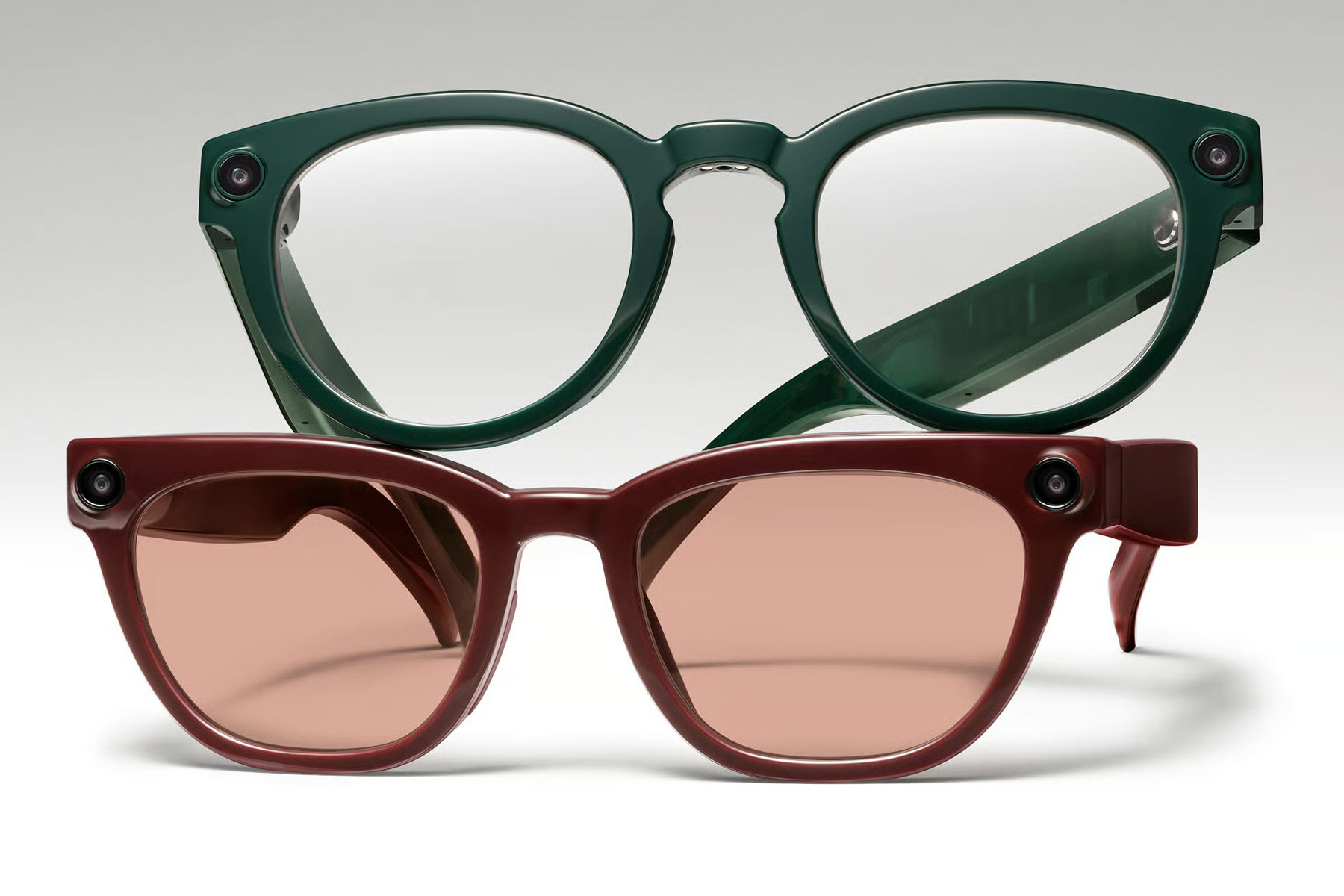
Google is reportedly developing a new live translation feature for its upcoming Android XR platform, with recent code discoveries hinting at advanced capabilities designed for smart glasses. According to a report from Road to VR, the feature—dubbed 'Listening area'—has been spotted in the 10.32.66 version of the Google Translate app. This addition appears to be a significant move as Google prepares to launch a new range of smart glasses, with the aim of delivering seamless real-time translation experiences for users.
The reported feature includes two distinct listening modes: 'Front only' and 'Surrounding area.' The 'Front only' mode focuses on translating speech directly in front of the wearer, making it ideal for one-on-one conversations. In contrast, the 'Surrounding area' mode is designed to capture and translate speech from the entire nearby environment, potentially leveraging the glasses’ full microphone array. This could enable users to understand multiple speakers in a group setting or pick up ambient conversations—an advancement over current implementations.
While these features were uncovered through an apk code teardown and are not guaranteed to ship, they align with Google's stated ambitions for Android XR. The company has previously promised that its smart glasses will offer real-time audio translation that matches the tone and pitch of speakers, as well as the ability to translate text from sources like menus and signs. This functionality is expected to debut alongside a range of frames set to be released this fall from brands such as Gentle Monster and Warby Parker, with additional models reportedly in development from Kering, the parent company of Gucci.
For industry professionals, Google's push into live translation for smart glasses signals a competitive response to Meta, whose own smart glasses already offer live translation. However, Meta's solution is more limited, focusing on one-on-one interactions and delivering translated speech via open-ear speakers, with transcripts visible on a paired smartphone. Google's potential 'Surrounding area' mode could differentiate its offering by enabling more dynamic, multi-speaker translation scenarios. As Google continues to expand Android XR’s capabilities, developers and hardware partners will be watching closely to see how these advanced translation features could shape user experiences and set new benchmarks for spatial computing applications.
Source: Road to VR
Meta Unveils AI Tool to Automate Quest Game Testing
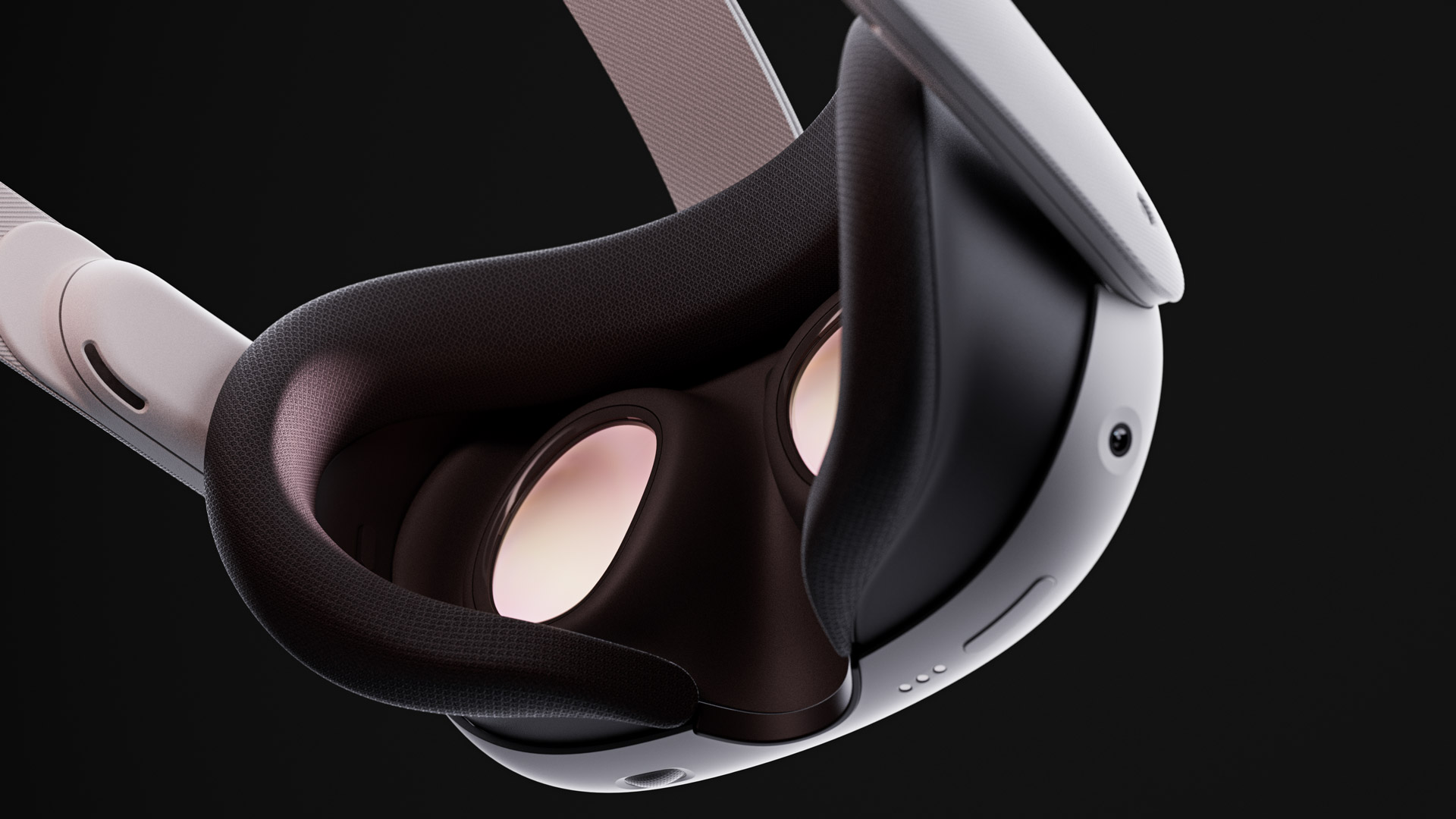
Meta has launched Meta XR Operator, an experimental development tool designed to let AI agents autonomously build, test, debug, and visually verify VR applications. Available as an experimental component in the Meta XR SDK (v205), XR Operator introduces an OpenXR API layer that enables Model Context Protocol (MCP) compatible AI agents to interact with VR apps running in the Meta XR Simulator. This means AI can now not only read and write code or run automated tests, but also navigate VR environments, build Unity scenes, launch apps, take screenshots, identify and fix issues, and verify those fixes—all without human intervention.
One of the standout features of XR Operator is its support for natural-language testing. Developers can describe a test scenario in plain language, and the AI agent will execute it, providing pass/fail results along with screenshot evidence. Early demonstrations included the AI agent building an interactive Tic-Tac-Toe game in VR, where it handled everything from generating game logic to simulating controller input and playing through to a win or loss state. Meta has already tested the tool with the Beat Saber team at Beat Games and other developers working with the Meta XR SDK.
Despite its promise, XR Operator comes with notable limitations. It cannot process audio, properly evaluate animation or motion, utilize individual finger tracking, or reliably spot subtle visual defects. Its speed is another constraint, as it operates too slowly for real-time interactions and is best suited for static, deterministic scenarios. Currently, the tool is only integrated with the Meta XR Core SDK for Unity, but Meta has made a standalone package available for developers using other OpenXR-compatible engines like Godot and Unreal Engine, allowing for custom integration.
This move reflects Meta’s shift from directly funding exclusive VR content to empowering developers with advanced tools that automate the more repetitive aspects of game development. While AI-generated game content remains in its early stages—tools like Google’s Genie 3 can create limited game scenes—the focus for now is on streamlining development, reducing barriers, and enabling smaller studios to deliver high-quality content more efficiently. The growth of AI-assisted modding, such as porting flatscreen PC games to VR, demonstrates the practical benefits of these tools, offering both consumers and studios a faster path to VR experiences. As Meta continues to build out its AI toolset, industry professionals can expect further developments and a likely focus on AI-driven workflows at upcoming events like Meta Connect 2026.
Source: Road to VR.
W4 Games Secures $18M to Expand Godot Engine in Asia

W4 Games, a company specializing in enterprise technology and support for the open-source Godot Engine, has announced the completion of an $18 million Series B funding round led by Tencent. This new investment brings W4 Games’ total funding to $33 million and is aimed at accelerating the company’s international growth, particularly in the realm of extended reality (XR) and immersive technology development.
The company plans to use the new capital to expand its international team by 50% and enhance its enterprise offerings. This growth is intended to meet the increasing demand from enterprise developers who are building XR and immersive projects using Godot. The round also saw participation from OSS Capital, LUX, Naval Ravikant, and Tobias Lutke’s family office. W4 Games, founded by core Godot developers and contributors, has positioned itself as a key player in bringing Godot Engine to enterprise markets, offering engine-level OpenXR and Android XR support, professional services, platform and console porting, and premium support for enterprise teams deploying Godot in production environments.
Alongside the funding, W4 Games has entered a multi-year strategic partnership with Tencent. This collaboration is designed to scale W4 Games’ business and the Godot ecosystem throughout Asia. The agreement includes initiatives for go-to-market support, localization, ecosystem advocacy, and market development, all aimed at expanding the reach of Godot Engine among enterprises, video game studios, and developers in the region. Nicola Farronato, Co-CEO of W4 Games, emphasized that the partnership with Tencent provides an opportunity to accelerate the adoption of enterprise-ready Godot technologies in Asia while reinforcing the open-source ecosystem at the core of the company’s mission.
Godot Engine is recognized for its flexible and permissive open-source licensing, and W4 Games describes it as a leading alternative to proprietary video game engines. The engine’s popularity has surged, with SteamDB data indicating that the number of Godot games published on Steam grew by over 50% year-on-year in both 2024 and 2025. Furthermore, W4 Games’ analysis of Gamalytic data shows that the number of Godot games generating more than $1 million in annual sales has increased from two to over 50 in the past three years. W4 Games has committed to contributing improvements developed for enterprise customers upstream to the main Godot project, ensuring that the broader developer community benefits from advancements driven by enterprise needs.
For professionals working in the XR and spatial computing industry, this development signals a rapidly maturing open-source platform with growing enterprise backing and global reach. The partnership with Tencent and the significant funding round position W4 Games and Godot Engine as increasingly viable options for studios and enterprises seeking alternatives to proprietary engines, especially for immersive and spatial computing projects.
Source: Auganix
Pico Space Pro Delayed, Launch Now Set for Late 2026
Pico, the ByteDance-owned XR hardware maker, has officially postponed the debut of its next flagship standalone headset, the Pico Space Pro. Originally set to be unveiled at a major event in Beijing on September 2nd, the device was positioned as a direct competitor to Apple’s Vision Pro and Samsung’s Galaxy XR. However, Pico has now pushed the release to the fourth quarter of 2026, citing the need for a significant upgrade to the software experience before launch.
The device, previously known as ‘Project Swan’, was expected to be one of Pico’s most advanced and expensive headsets to date. The company’s announcement, translated from Chinese, explained that while both hardware and software were nearing completion, an "exciting new opportunity" was identified during final testing. Pico decided to invest additional time to incorporate this upgrade into the initial release, aiming to deliver a more polished and competitive product. The company apologized for the delay and announced plans to expand its Pioneer Experience Program, which will allow more users to test pre-release units and provide feedback as part of a global closed beta.
On the hardware front, the Pico Space Pro is set to feature microOLED displays with a dense 4,000 pixels per inch (PPI) and an average of around 40 pixels per degree (PPD). It will utilize a dual-chip architecture, combining a custom XR silicon for perception and imaging—reportedly offering perception latency near 12 milliseconds—with a separate flagship system-on-chip that delivers more than twice the CPU and GPU performance of Qualcomm’s XR2 Gen 2 platform. These specifications position the Space Pro as a serious contender in the high-end XR market, targeting both prosumers and enterprise users.
Pico’s ambitions extend beyond the Chinese domestic market, with plans for a global launch. The Space Pro is expected to compete not only with Apple and Samsung’s latest offerings but also with Valve’s upcoming Steam Frame headset, which is generating significant anticipation in the VR industry. Valve’s device promises a native Steam user experience on standalone hardware, and its imminent launch may have influenced Pico’s decision to delay, as competing directly at launch could be risky. By stepping back, Pico appears to be giving itself time to refine its product and software, aiming to better meet the expectations of a rapidly evolving market.
Source: Road to VR
Virtualware to Acquire UK VR Specialist Virtalis in Major Deal

Virtualware, a provider of enterprise immersive and virtual reality (VR) software, has announced an agreement to acquire 100% of Virtalis Holding, a Manchester-based company specializing in VR and real-time 3D (RT3D) visualization software. This move is set to create one of the largest European groups focused on immersive visualization and digital twin technology, according to Virtualware.
Virtalis is known for its flagship product, Visionary Render, which integrates over 25 data types, including CAD, PLM, BIM, point cloud, and IoT data, into real-time, 1:1 scale visualization scenes. These capabilities are leveraged for design reviews, training, plant layout planning, and maintenance, making Visionary Render a key tool for industries requiring complex visualization and collaboration. With this acquisition, Visionary Render will become part of Virtualware's portfolio alongside its VIROO extended reality (XR) platform and Simumatik, the Swedish digital twin specialist Virtualware acquired in October 2024. Notably, applications built with Visionary Render will be deployable and manageable through VIROO, enhancing integration across Virtualware’s ecosystem.
Virtualware emphasized that engineering centers will be maintained in Bilbao, Manchester, and Skövde, with additional offices in Orlando and Toronto, and that no site consolidation is planned. This approach is intended to ensure continuity for Virtalis’s clients and employees. Unai Extremo, CEO and founder of Virtualware, stated that the company is committed to retaining the Virtalis team and maintaining its UK operations, aiming to build upon Virtalis’s legacy of over two decades. Andy Hill, CEO of Virtalis, commented that the acquisition will unite two established organizations in enterprise VR and immersive visualization, creating a stronger platform for innovation, investment, and growth.
The transaction, which is subject to approval at Virtualware's Extraordinary General Meeting, has already received clearance from the UK Cabinet Office under the National Security and Investment Act 2021 as of May 2026. Completion is expected in September 2026. The acquisition involves a fixed payment of EUR €5 million upon completion, plus a variable component linked to Virtalis’s operating results in 2026 and 2027. Virtualware projects that the combined group will reach €10 million in revenue and €2.5 million in EBITDA for the 2026 calendar year, with the workforce expanding from 52 to 71 employees. Following the acquisition, the United Kingdom will represent 37.7% of the group's aggregate revenue, making it Virtualware’s largest single market.
For professionals in the VR and spatial computing industry, this consolidation signals a strengthening of European capabilities in immersive visualization and digital twin solutions, particularly for sectors such as industry, nuclear, critical infrastructure, and defense.
Source: Auganix
XREAL AURA AR Glasses Hit 10,000 Reservations Before Launch
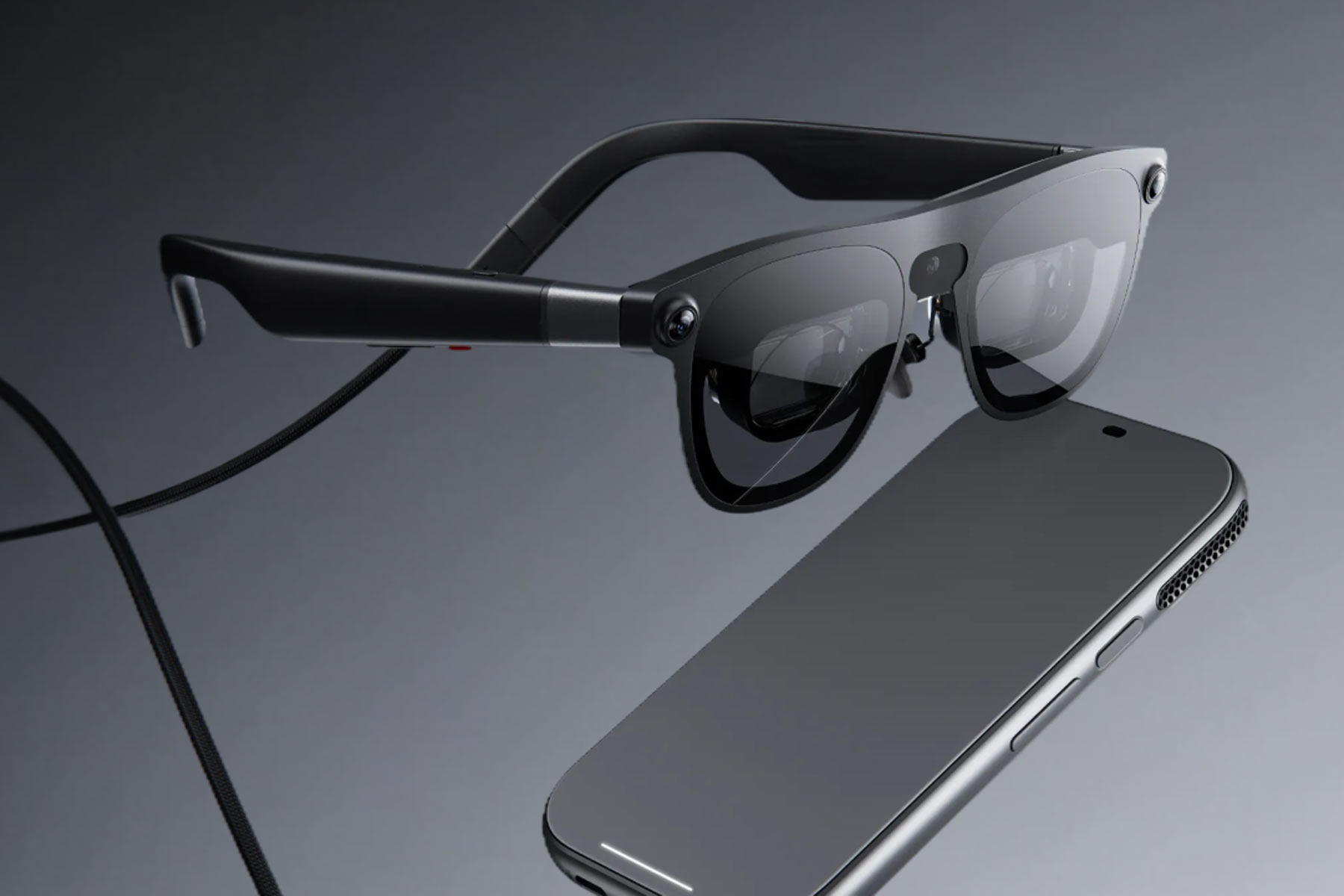
XREAL has announced that its upcoming augmented reality glasses, the XREAL AURA, have already surpassed 10,000 global reservations ahead of their scheduled launch in Fall 2026. This milestone highlights significant early interest from a mix of consumers, developers, and enterprise customers. The company attributes some of this demand to its initial reservation offer, which allowed customers to place a $99 deposit in exchange for a $199 launch credit. That offer has now sold out, but XREAL continues to accept $199 refundable deposits as anticipation builds for the device’s release.
The AURA stands out as the first AR glasses to run on Google’s Android XR operating system, opening the door to a broad range of Android applications via the Play Store, as well as a growing catalog of XR-specific apps. While XREAL has not finalized the retail price, the company has stated that the AURA will not exceed $1,500 before taxes. This leaves some uncertainty for those who have placed refundable reservations, as final pricing details could influence their decisions when the product becomes available.
From a technical perspective, the AURA continues XREAL’s use of birdbath optics, delivering a sizable 70-degree field of view in a lightweight package of under 95 grams worn on the head. Unlike previous models, the AURA employs a split-compute architecture: the glasses themselves are tethered via cable to a compact, pocketable compute unit. This unit houses Qualcomm’s Snapdragon Reality Elite chipset for XR processing and AI workloads, alongside XREAL’s proprietary X1S Spatial Coprocessor, which manages display and sensor processing. This design helps keep the headset light and comfortable for extended use.
Functionality is a key differentiator for the AURA. While some birdbath-based AR glasses primarily offer virtual screen experiences, the AURA supports six degrees of freedom (6DOF) tracking, hand tracking, and multimodal AI interactions. These features, enabled by the Android XR platform, position the AURA as a versatile tool for both entertainment and productivity, appealing to a wide range of potential users. XREAL has indicated that more details regarding pricing and availability will be shared in the coming weeks, giving industry watchers and early adopters more information to guide their decisions.
For those in the XR industry, the AURA’s strong reservation numbers and technical capabilities signal growing momentum for Android-based AR solutions and increased competition in the spatial computing market. The combination of lightweight design, advanced tracking, and access to the Android ecosystem could make the AURA a notable contender as AR glasses continue to evolve.
Source: Road to VR
Immersix Unveils Retina-Based Eye Tracking Breakthrough

Immersix, a Western startup, is making waves in the XR industry with a novel approach to eye tracking that could address persistent limitations in current solutions. Unlike most systems that rely on tracking the pupil, Immersix’s technology focuses on the retina, offering a fundamentally different method that promises greater accuracy and reliability. The company showcased its innovation at the VR/AR Expo China in Shanghai, where a hands-on demo provided a first look at its potential impact.
The core of Immersix’s solution is a compact module for each eye, consisting of just a camera and a single IR LED for illumination. This minimal hardware footprint stands in contrast to existing eye-tracking systems that often require a ring of LEDs, potentially reducing both size and power consumption. During calibration, the camera captures images of the retina as the user performs guided eye movements. The software then reconstructs a detailed map—or “fingerprint”—of the retina, which remains stable over many years. This persistent calibration means users should not need to recalibrate after taking the headset on and off, a common annoyance with current eye-tracking implementations.
Once calibration is complete, the system tracks eye orientation by matching visible segments of the retina against the stored map. Immersix claims this method achieves sub-degree accuracy and is largely insensitive to shifts in the position or orientation of the glasses, since the retina itself serves as a ground truth reference. In practical terms, this could mean more reliable eye tracking for users who frequently adjust or remove their headsets, eliminating the need for repeated calibration and improving the overall user experience.
During the hands-on demo, the reviewer tested the technology using prototype glasses connected to a laptop. The calibration process involved moving a pointer with one’s gaze to erase a rectangle on the screen, ensuring the camera captured all regions of the retina. Although the process took a few minutes and induced slight eye strain towards the end, it was straightforward and effective. Post-calibration, the system demonstrated high accuracy in tracking gaze on a grid of targets, even after the glasses were repositioned, and did not require recalibration. While the reviewer could not independently verify the sub-degree accuracy or 120Hz tracking rate claimed by Immersix, the technology performed reliably in the demo, matching or exceeding the performance of some current leading solutions.
For industry professionals, Immersix’s approach could be a game changer, offering a path to smaller, more power-efficient, and more robust eye-tracking modules. The technology’s reliance on detailed retinal scans does raise privacy considerations, but these could be addressed by ensuring data remains local to the device. Evaluation kits are available for companies interested in exploring this new method, and the reviewer suggests that major headset manufacturers may want to investigate further.
Source: Skarredghost
Spotted something wrong in this issue? Report it.