Apple Vision Pro Opens to Third-Party Motion Controllers
This issue covers Apple opening Vision Pro to third-party motion controllers, Prime Day VR deals, new hardware launches, and advances in XR training and healthcare.
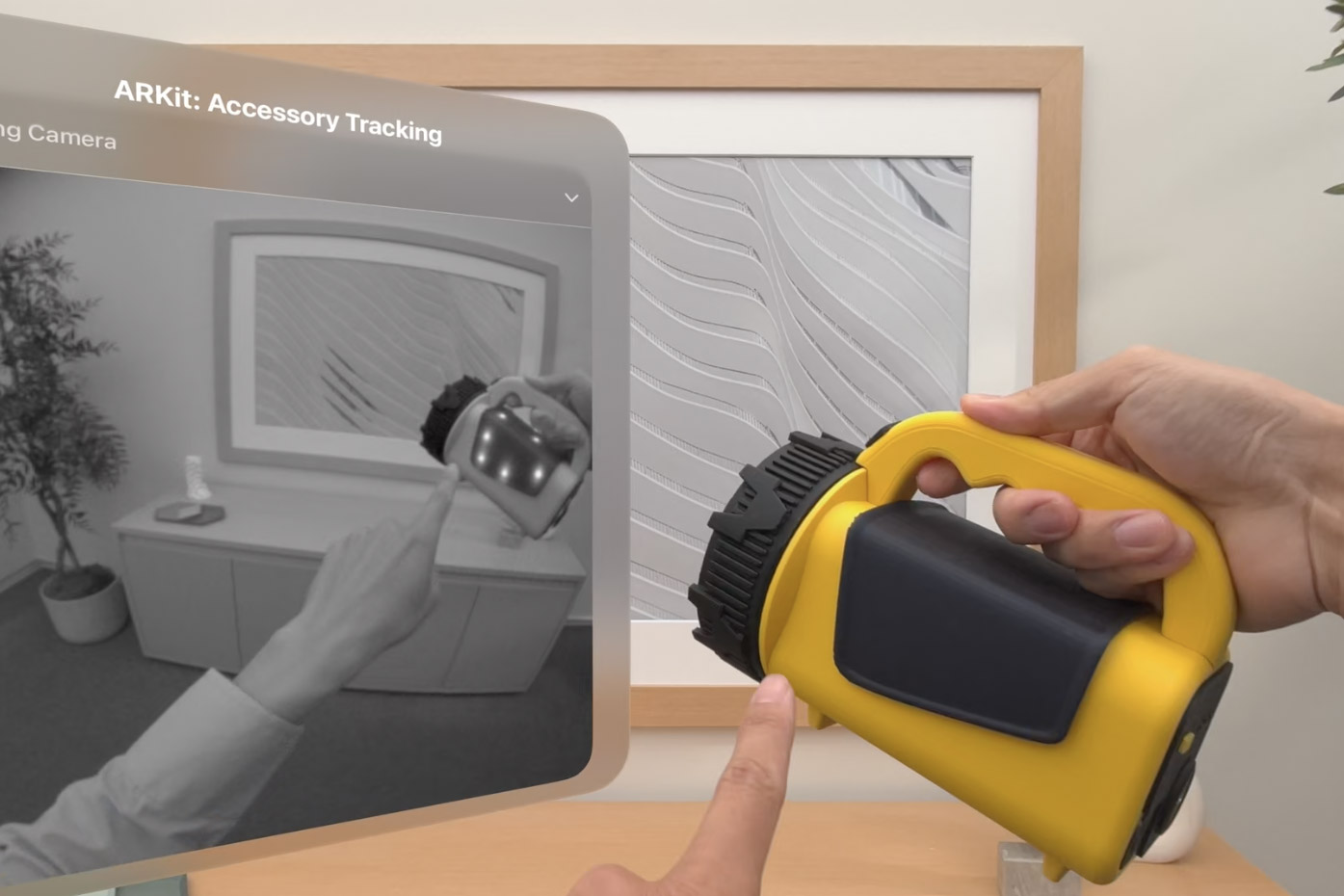
Apple Opens Vision Pro to Third-Party Motion Controllers
Apple has taken a significant step in broadening the input capabilities of its Vision Pro headset with the release of visionOS 27. This update, now available to developers, introduces support for third-party actively-tracked accessories—referred to as 'spatial accessories'—including high-performance motion controllers. Previously, Vision Pro only supported passively-tracked objects, which were recognized by their appearance but did not communicate directly with the headset. With visionOS 27, Apple enables tracking based on infrared (IR) LED patterns and positional data streamed from an accessory’s on-board IMU (inertial measurement unit) via Bluetooth, aligning Vision Pro with the tracking standards seen in most major VR headsets.
This technical shift means that third-party manufacturers can now develop motion controllers and other tracked accessories that work seamlessly with Vision Pro. Apple notes that a spatial accessory’s tracking profile can be embedded within a visionOS app, allowing system-wide registration so any app on the headset can utilize the accessory. However, these third-party accessories will not have the same level of integration with the VisionOS interface as the officially supported PSVR 2 controllers and Logitech stylus introduced last year. Apple has also partnered with DFRobot and MIKROE to create off-the-shelf trackers, which will serve as reference hardware and development kits for building Vision Pro-compatible accessories. These trackers are expected to be available later in the year, though Apple has not yet disclosed pricing or additional details.
The combination of IR LEDs and IMU tracking is widely regarded as the industry standard for VR motion controllers, offering high precision and low latency. This approach is robust across different lighting conditions and enables updates at rates up to the headset’s display refresh rate—nominally 90Hz, and potentially up to 120Hz. These enhancements are not just about gaming; they are likely to benefit enterprise and simulation use cases, where reliable, high-performance input devices are crucial. Apple’s move to support spatial accessories follows earlier skepticism about the company’s hands-only input philosophy, which limited compatibility with many established VR games and applications that depend on motion controllers.
While the immediate impact on Vision Pro’s consumer appeal remains uncertain—especially given the limited influx of major VR titles even after PSVR 2 controller support—Apple’s decision signals a long-term commitment to expanding the headset’s versatility. Developers and hardware makers now have a clearer path to creating accessories that can unlock new experiences and use cases for Vision Pro, both in current enterprise scenarios and in future iterations of the hardware. This update also includes improvements to passive object tracking, with higher frame-rate modes and extended training for more reliable and lower latency performance, further enhancing Vision Pro’s spatial computing capabilities.
Source: Road to VR
Prime Day Deals Bring Quest 3S Prices Back Down After Recent Hike

Amazon Prime Day has arrived, and with it comes a notable opportunity for those in the virtual reality industry and enthusiasts alike: significant discounts on the Meta Quest 3S. This comes just months after Meta implemented a price increase across its Quest 3 and Quest 3S headsets, raising prices by $50 to $100. The timing of this sale is particularly relevant for VR developers, studios, and hardware resellers, who may be looking to expand their device fleets or offer more competitive pricing to clients and customers.
From June 23rd to 26th, Amazon is offering the Quest 3S at prices that match or even undercut its previous manufacturer’s suggested retail price (MSRP), depending on the specific bundle chosen. Both the 128GB and 256GB storage options are included in the sale, with various game bundles available to further sweeten the deal. Each purchase also comes with three free months of Horizon+, Meta’s subscription game service that allows users to download and play a wide selection of top VR titles as long as their membership remains active. This added value may be particularly appealing for new users or studios seeking to evaluate a broad range of VR content without immediate additional expense.
In contrast, the standard Quest 3 remains at its regular pricing, with no direct discounts reported for new units during Prime Day. However, a $50 saving is available on refurbished Quest 3 units purchased directly from Meta. The permanent price increase enacted in April saw the Quest 3 (512GB) jump from $500 to $600, while the Quest 3S now starts at $350 for the 128GB model and $450 for the 256GB version. Meta attributed these increases to rising RAM costs, a challenge that is also expected to impact other upcoming standalone VR headsets, such as Valve’s anticipated Steam Frame, which reportedly may follow the high pricing precedent set by the Steam Machine.
For industry professionals, these price adjustments and temporary deals underscore the volatility of hardware costs in the VR sector. The Prime Day discounts offer a window to acquire Quest 3S headsets at more favorable rates, which could impact purchasing decisions for studios, arcades, and educational institutions. The inclusion of Horizon+ access further enhances the value proposition for those looking to quickly build or refresh their VR content libraries. As hardware pricing continues to fluctuate, keeping an eye on such sales events remains crucial for anyone managing VR deployments or planning hardware investments.
Source: Road to VR
Apple Vision Pro Hardware Chief Joins OpenAI Amid Leadership Shifts

Apple’s Vision Pro and smart glasses division has lost its top executive, Paul Meade, who is reportedly leaving the company to join OpenAI’s hardware team. According to Bloomberg, Meade’s move comes at a critical juncture for Apple’s spatial computing ambitions, as the company has recently shifted its focus away from the Vision Pro headset toward developing smart and AR glasses. Meade, a 15-year Apple veteran, played a key role in the development of the iPad, managed iPhone programs, and since 2017, has been instrumental in the Vision Products Group. He assumed the role of hardware engineering lead for Vision Pro in 2019.
Meade’s responsibilities at Apple extended beyond the Vision Pro headset. He was reportedly behind the development of Apple’s rumored audio-only smart glasses, which would compete with products like Ray-Ban Meta and upcoming Android XR smart glasses from Samsung, Warby Parker, Gentle Monster, and Kering. Additionally, Meade led efforts on other AI-related wearables, including Apple’s ongoing AR glasses project, which is expected to launch before 2030. With his departure, Fletcher Rothkopf, Meade’s deputy in charge of product design for Vision Pro and smart glasses, is reportedly stepping in to oversee these initiatives in the interim.
At OpenAI, Meade is expected to work on upcoming AI-powered devices, joining a hardware team that includes several former Apple colleagues. Notably, he will be collaborating with Jony Ive, Tang Tan, and Evans Hankey, who left Apple over the years to found the AI hardware startup ‘io’. OpenAI acquired this startup last year for $6.5 billion, signaling its intent to make significant hardware moves in the AI space. Meade’s expertise in both hardware engineering and spatial computing positions him as a valuable asset for OpenAI as it seeks to develop new AI-driven devices.
This leadership change at Apple coincides with broader organizational shifts. Apple CEO Tim Cook is set to be replaced by John Ternus, a long-time Apple executive and Senior Vice President for Hardware Engineering, who was also heavily involved in the Vision Pro’s launch. Ternus, who previously worked at VR hardware company Virtual Research Systems, brings direct experience from the early days of commercial VR. However, Bloomberg reports that Ternus’ appointment as CEO has been controversial within Apple’s hardware engineering ranks, resulting in a shakeup that has sidelined several executives. Apple has also reportedly cancelled plans for a more affordable XR headset, previously expected in 2027, to concentrate on smart and AR glasses.
For industry professionals, Meade’s move underscores the intensifying competition for talent and expertise at the intersection of AI and spatial computing. As Apple recalibrates its strategy and OpenAI ramps up its hardware ambitions, the landscape for AR, VR, and AI-powered devices is poised for further disruption and innovation.
Source: Road to VR.
Valve’s Steam Machine Launches at $1,050, Raising Questions for Steam Frame

Valve has officially launched the Steam Machine, its long-anticipated PC hardware, with a starting price of $1,050. The device became available on June 22, confirming earlier rumors about its imminent release. However, the launch price has sparked disappointment and debate in the virtual reality and gaming communities, with many expressing surprise at the cost given the device’s specifications. Social media quickly filled with memes and critical commentary, with some enthusiasts reconsidering their interest in the product due to the unexpected price point.
The high cost of the Steam Machine is attributed to current market conditions, particularly the global shortage of RAM and storage chips. The exponential growth of AI data centers has driven up component prices across the industry, forcing Valve to adjust its original pricing strategy. While the company reportedly did not anticipate these supply chain challenges during the design phase, it ultimately had to set a higher price to reflect the increased cost of essential components. Despite the backlash, there is optimism that the Steam Machine will still perform well commercially, buoyed by Valve’s dedicated fanbase.
Interestingly, the launch has already inspired the appearance of Steam Machine clones, especially from Chinese manufacturers. While these alternatives may be more affordable, they still run SteamOS, ensuring that Valve’s platform remains central to the ecosystem and that game purchases continue to flow through Steam. This proliferation of compatible hardware could help offset some of the negative reaction to the official device’s price, broadening access to Steam’s gaming and XR experiences.
The Steam Machine’s pricing also offers potential insight into what the industry might expect from Valve’s next major hardware release: the Steam Frame, a virtual reality headset. While the RAM requirements for the Steam Frame may differ, the current trend of rising component costs—mirrored by recent price increases from Meta and Apple—suggests that Valve’s VR headset could also carry a premium price tag. Industry professionals and enthusiasts alike are now watching closely for Valve’s next announcement, aware that the realities of the hardware market may continue to shape the accessibility and adoption of new XR devices.
Source: Skarredghost
Valve Expands Verified Program Ahead of Steam Frame and Steam Machine Launch

Valve is taking significant steps to prepare for the launch of its upcoming hardware, Steam Frame and Steam Machine, by expanding its Verified program. The move introduces dedicated compatibility labels for both devices, mirroring the approach that helped the Steam Deck gain traction among gamers and developers. This update signals Valve’s intent to ensure a smooth user experience and minimize the guesswork for consumers considering their next hardware purchase.
The new compatibility checks are particularly important for Steam Frame, which Valve has clarified is not just a wireless PC VR headset. Steam Frame is designed primarily for high-quality game streaming from a PC, but it also operates as a standalone SteamOS device capable of running games directly on the headset. This dual functionality means that users can either stream games for higher-end performance or play VR and non-VR titles natively on the device. To support this, Valve has introduced the “Steam Frame Standalone Verified” label, which indicates which games are optimized to run directly on the headset without the need for additional setup or configuration.
The Verified program’s criteria for Steam Frame focus on the out-of-the-box experience, covering aspects like default graphics settings, text readability, UI scaling, and controller layout compatibility. Importantly, the Steam Frame Standalone Verified label only applies to games running natively on the headset, not those streamed from a PC. For developers, Valve has updated the Steamworks Partner Dashboard to include new tabs for Steam Machine and Steam Frame, allowing them to track compatibility test results alongside Steam Deck Verified outcomes. This streamlined process should help developers prepare their titles for the new hardware ecosystem with minimal friction.
On the Steam Machine front, Valve notes that the device runs SteamOS, leverages Proton for Windows game compatibility, and is roughly six times as powerful as the Steam Deck. The requirements for Steam Machine Verified are nearly identical to those for Steam Deck, meaning games that already perform well on Deck should transition smoothly. Additionally, games that previously failed Deck verification due to hardware limitations may now pass on Steam Machine thanks to its increased performance.
Valve’s expansion of the Verified program is more than just a developer update; it’s a clear signal that the company is gearing up for a broader hardware launch. As the Steam Deck demonstrated, a robust compatibility badge system can heavily influence purchasing decisions. With Steam Frame and Steam Machine on the horizon, these new labels will be crucial for both consumers and developers navigating the evolving Steam hardware landscape.
Source: MIXED
Qualcomm Reality Elite Chip Promises Lighter, Cooler XR Devices

Qualcomm has introduced its latest chipset for extended reality (XR) devices, the Snapdragon Reality Elite, which aims to address longstanding issues of bulk, heat, and battery life in AR and VR headsets. This new platform, regarded as the spiritual successor to the XR2 Gen 3, is designed to power the next generation of lightweight AR and VR hardware, moving the industry closer to devices that resemble regular glasses rather than the bulky headsets currently on the market.
The Reality Elite delivers notable performance improvements over its predecessor, the Snapdragon XR2+ Gen 2. According to Qualcomm, the new chip offers up to 60% higher GPU performance, 30% faster CPU speeds, and a 160% increase in AI processing capability. These gains are paired with up to 20% longer battery life and a reduction in operating temperature by as much as 12°C during sustained use. The chipset is also capable of supporting dual displays at up to 4.4K resolution per eye at 90Hz, all while maintaining greater efficiency and reducing heat output. These advances are significant for XR hardware designers, as they allow for slimmer, lighter devices that are more comfortable for extended wear and more socially acceptable in public settings.
Looking at the current XR landscape, Qualcomm's chipsets have powered many of the leading devices: the XR2 Gen 1 is found in the Meta Quest 2 and Pico 4, while the XR2 Gen 2 supports the Meta Quest 3 and Pico 4 Ultra. The XR2+ Gen 2 is used in Samsung's Galaxy XR and the Play For Dream MR headset. The Reality Elite is confirmed for upcoming devices such as the Xreal Aura and the next-generation Play For Dream headset, with other future Android XR devices expected to adopt it as well. The Xreal Aura is particularly notable for its design, which separates the compute hardware from the glasses themselves. Most processing occurs in a pocket-sized compute puck, allowing the glasses to weigh just 91 grams—dramatically lighter than typical mixed reality headsets. This modular approach is gaining traction across the industry, as seen with Apple’s Vision Pro, reflecting a shift from all-in-one headsets to distributed systems for greater comfort and usability.
Interestingly, not all new XR devices are opting for XR-specific chips. The upcoming Steam Frame, for example, uses a standard Snapdragon 8 Gen 3, chosen for its compatibility with Steam OS and superior Linux driver support, while still delivering a 25-30% performance boost for standalone gaming over the Quest 3. Meanwhile, speculation briefly flared online that Qualcomm’s launch materials had leaked Meta’s next headset design, codenamed Phoenix, but these rumors were quickly dispelled as the images were identified as generic AI-generated renders rather than actual hardware reveals.
For XR industry professionals, the Reality Elite represents a significant step towards overcoming the physical and technical constraints that have defined headset design for the past decade. By enabling lighter, cooler, and more efficient devices, Qualcomm’s new chip could help usher in a new era of XR hardware that is both practical and appealing for everyday use.
Source: MIXED
Meta Launches Peak Summer Sale on Top Quest VR Games
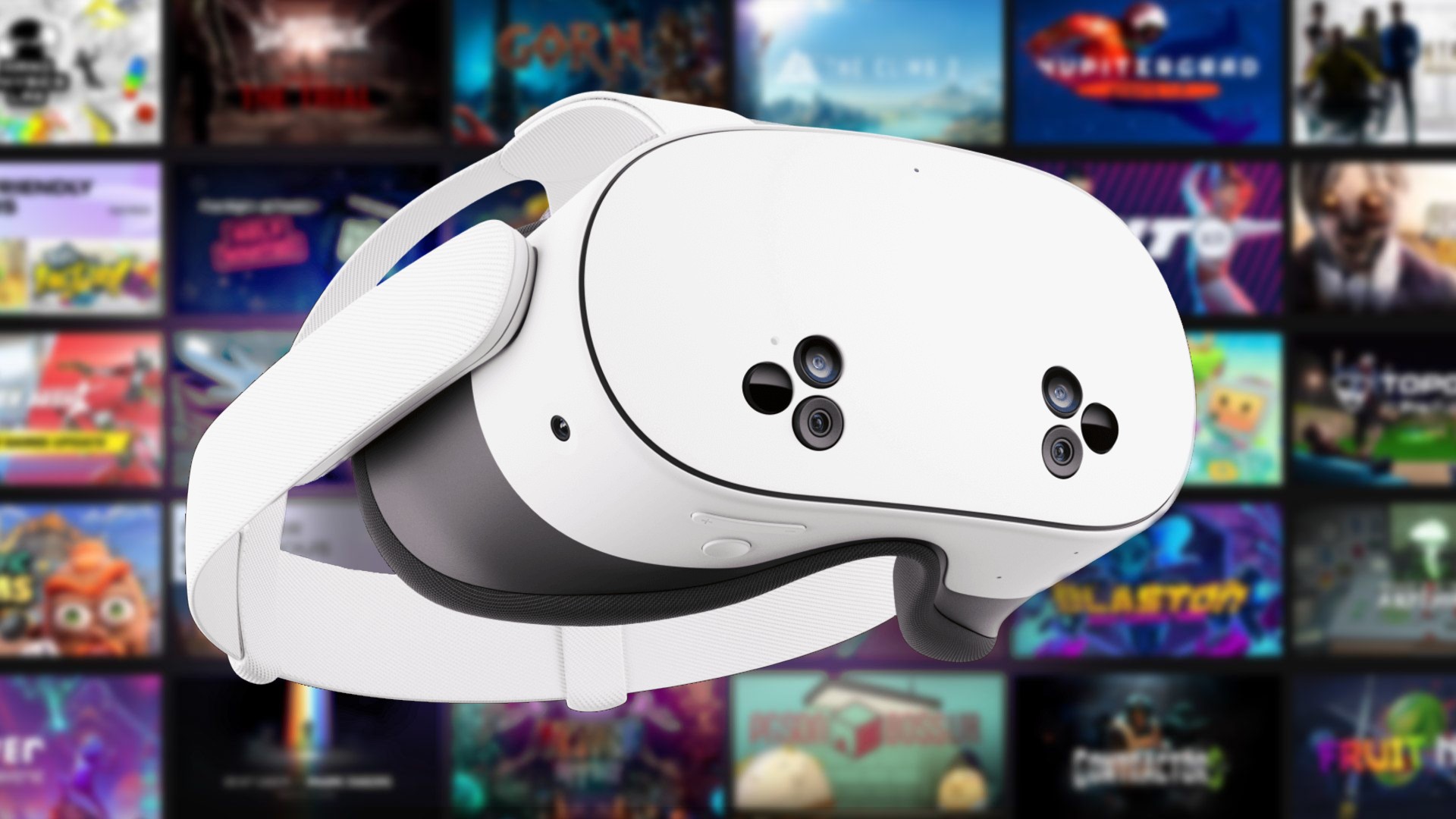
Meta has kicked off its annual Peak Summer Sale, offering significant discounts on a wide selection of popular VR games for the Quest platform. The sale, which runs until July 5th, features deals on some of the most acclaimed and best-selling titles in the Quest library, making this a prime opportunity for VR enthusiasts and industry professionals alike to expand their content collections or revisit standout experiences at reduced prices.
Among the discounted titles are several fan favorites and critically acclaimed releases. Notable games include The Climb 2, a visually stunning climbing simulator known for its immersive environments; Synth Riders, a rhythm-based game that has become a staple for music and movement fans; and Blade & Sorcery: Nomad, which offers physics-driven melee combat and has garnered a dedicated following. Other highlights in the sale are Arizona Sunshine II, a zombie shooter sequel; Demeo x Dungeons & Dragons: Battlemarked, which brings tabletop RPG elements into VR; Teenage Mutant Ninja Turtles: Empire City, an action title based on the iconic franchise; and Clone Drone in the Hyperdome, a unique arena combat game featuring robot combatants.
The Peak Summer Sale is not limited to these titles; Meta is offering discounts on a broad range of games, catering to various genres and player preferences. The full list of discounted Quest games can be found on the official Peak Summer Sale page, where users can browse all available deals and see specific pricing information. This event is particularly relevant for developers and industry professionals, as it highlights Meta’s ongoing efforts to stimulate engagement within the Quest ecosystem and drive sales momentum during the summer months, a traditionally slower period for new releases.
For those working within the VR industry, the sale not only represents a chance to analyze consumer interest in different genres and titles but also serves as a barometer for the health of the Quest marketplace. The inclusion of major releases and cross-genre hits suggests Meta’s strategy is to maintain high user engagement and encourage new purchases, which can have downstream effects on user retention and software attach rates. As the VR market continues to evolve, events like the Peak Summer Sale provide valuable insights into both consumer behavior and platform priorities.
Source: Road to VR
Virtuix Omni One Adds Official Meta Quest Support

Virtuix has announced that its Omni One VR treadmill now offers native support for Meta Quest headsets, marking the first time a VR treadmill has received official Quest compatibility. Previously, the Omni One could only be used with Quest devices through a PC connection via Quest Link, but with this update, users can now enjoy a direct and seamless experience on both Quest 2 and Quest 3 headsets.
Omni One, which launched in 2024, was initially compatible with Pico 4 Ultra Enterprise and a range of PC VR headsets. The move to native Quest support comes as part of Virtuix's participation in Meta's ‘Made for Meta’ program, which aims to expand the Quest accessory ecosystem. As a result, the Omni One is now available in Meta’s official Quest accessory store, joining other peripherals like the bHaptics TactSuit Pro, Logitech MX Link stylus, and Roto VR Explorer Chair. The treadmill is also available directly from Virtuix at a price of $2,595.
Jan Goetgeluk, CEO of Virtuix, described the launch as a "major milestone for VR gaming," emphasizing the enhanced immersion and physical activity that full-body movement brings to the Quest platform. While the Omni One now works natively with Quest, not every Quest game is currently supported. Virtuix has optimized a selection of titles for the treadmill, including VAIL, Forefront, The Boys: Trigger Warning, Star Trek: Infection, Teenage Mutant Ninja Turtles: Empire City, Men in Black: Most Wanted, Exoshock, and Zero Caliber 2. For a limited time, four of these—Star Trek: Infection, Teenage Mutant Ninja Turtles: Empire City, Men in Black: Most Wanted, and Exoshock—are bundled for free with the Omni One for Quest.
Virtuix has indicated that more compatible games will be added over time, and users can consult an evolving list of supported titles. For those in the VR industry, this development signals growing momentum for consumer-ready, full-body VR experiences and highlights Meta’s commitment to expanding the Quest accessory ecosystem. The official support may encourage developers to consider treadmill compatibility in future VR titles, potentially broadening the market for immersive, physically engaging content.
Source: Road to VR
XREAL Aura AR Glasses Set for Fall Launch, Capped at $1,500
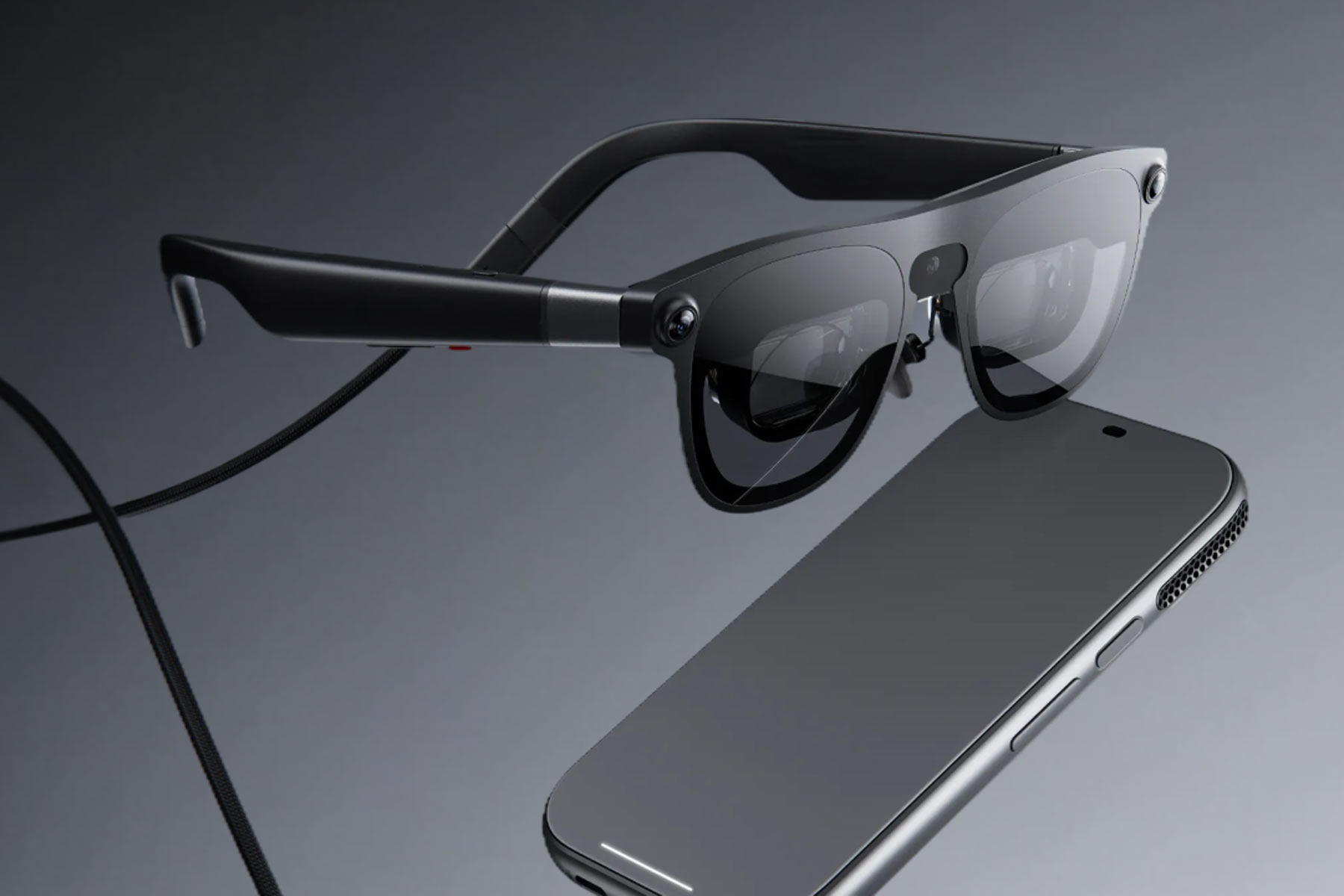
XREAL has announced that its upcoming flagship AR glasses, the XREAL Aura, will launch in fall 2026 with a price ceiling of $1,500 before taxes. Developed in partnership with Google and Qualcomm, the Aura is positioned as a significant step forward in the AR hardware space, integrating several cutting-edge technologies and offering broad market availability across the US, UK, Japan, South Korea, and selected EU countries.
The XREAL Aura distinguishes itself by being one of the first devices to feature Qualcomm's Snapdragon Reality Elite chipset. According to Qualcomm, this new chipset promises substantial performance improvements over the Snapdragon XR2+ Gen 2, including up to 60% better GPU performance, 30% higher CPU performance, and a 160% boost in neural processing. This positions the Aura as a high-performance device for both XR processing and AI-driven tasks. The glasses also include XREAL's own X1S Spatial Coprocessor, which manages display and sensor processing, supporting a wired, split-compute architecture for efficient workload management.
In terms of design, the Aura follows XREAL's tradition of using birdbath optics, delivering a 70-degree field-of-view while keeping the on-head weight under 95 grams. The device supports six degrees of freedom (6DOF) tracking, hand tracking, and multimodal AI experiences. Running on Android XR, the Aura will come integrated with Google's Gemini AI assistant and provide access to the Google Play Store, enabling users to run existing Android applications as well as a growing catalog of XR-specific apps. XREAL reports that over 100 XR applications are already in development for the platform, with more software partners joining the ecosystem.
For early adopters, XREAL is offering two reservation options: a $300 'Founder Priority Pass' that guarantees shipment from the first batch (limited to 2,000 units and applied to the final price), and a $100 reservation fee for later shipments, which converts to a $200 discount on the final price. These reservation formats are designed to incentivize early commitment and help gauge initial demand among industry professionals and enthusiasts.
For those working in the AR and XR industry, the XREAL Aura's launch represents a notable advancement in both hardware and ecosystem development. The integration of Qualcomm's latest chipset, Google's AI, and access to Android's app library could set new expectations for performance and versatility in AR glasses. The sub-$1,500 price point also signals XREAL's intent to compete aggressively in the premium AR market, making the Aura a device to watch as the fall release approaches.
Source: Road to VR
PiEEG Unveils Brain-Driven Avatar Control for Quest
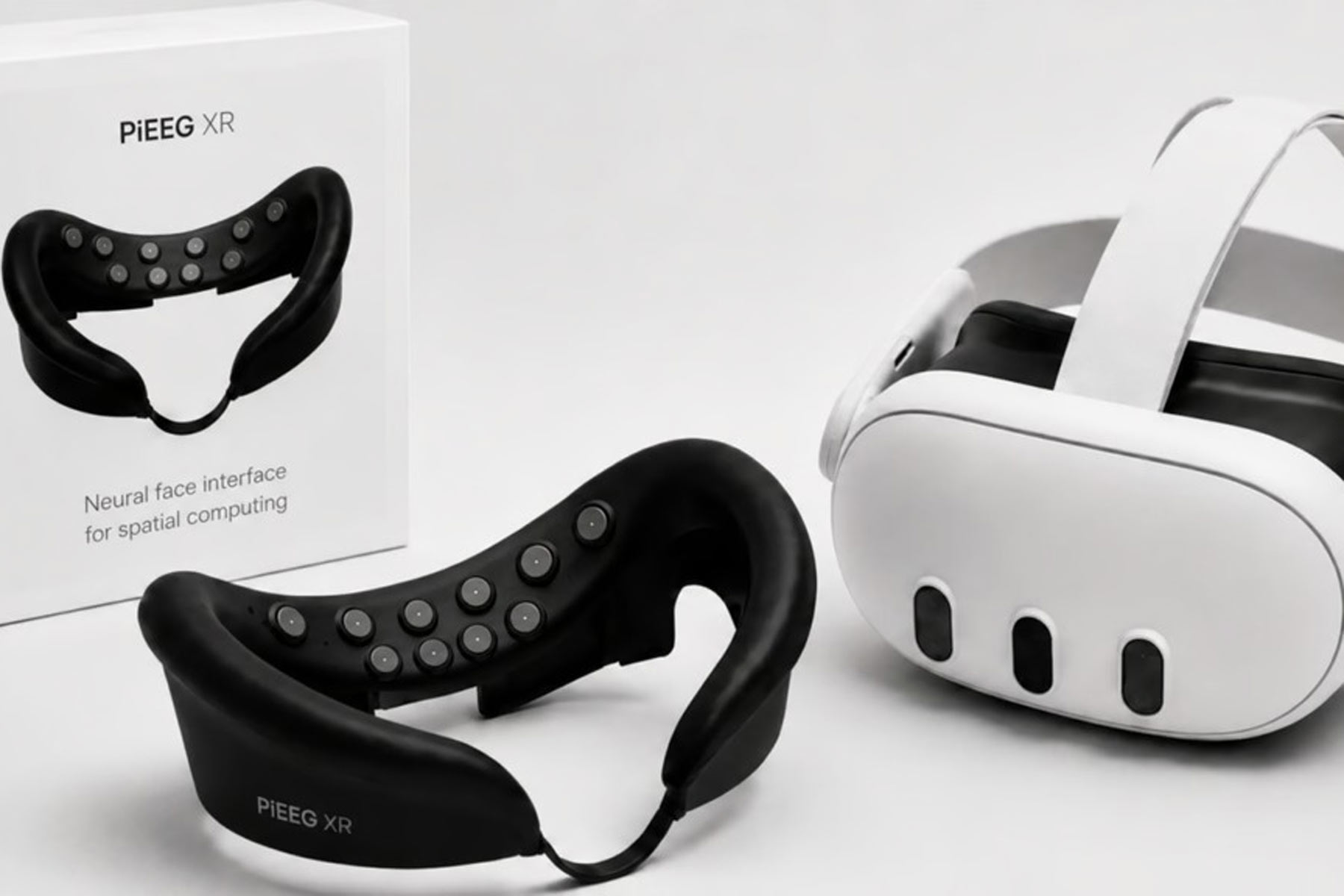
Scottish brain-computer interface (BCI) startup PiEEG has announced an upcoming Kickstarter campaign for PiEEG XR, a facial interface designed for Meta Quest headsets that translates brain activity and facial micro-expressions into real-time avatar control. Founded in 2022 by Dr. Ildar Rakhmatulin, PiEEG has focused on making BCI technology more accessible for researchers, developers, and hobbyists. With PiEEG XR, the company is targeting those interested in integrating electroencephalography (EEG) data into XR applications, and it is also planning native support for VRChat, allowing users to control avatars using signals from their brains and faces.
The PiEEG XR device incorporates built-in EEG sensors, which measure the electrical activity produced by the brain. While consumer EEG devices typically cannot decode specific thoughts, they can detect broad mental states such as attention, relaxation, or cognitive load. These signals can then be mapped to software actions, enabling new forms of hands-free input and avatar expressiveness. PiEEG claims its interface will allow for more dynamic avatars and innovative interaction methods, such as modifying environments or triggering avatar animations based on attention signals. This is facilitated by the company’s ‘Focus-to-Action’ API, which translates EEG data into actionable software events.
For developers, educators, and researchers, PiEEG XR will be fully open-source, providing access to both software tools and raw EEG data streams. This open approach is intended to foster experimentation and innovation in areas ranging from thought-controlled gaming experiences to studies of emotional responses in VR. PiEEG highlights that whether users are interested in building novel game mechanics or conducting research, the PiEEG XR and its companion VR-Link platform offer the necessary data and resources for development.
The hardware itself is powered by PiEEG’s IronBCI platform, featuring 24-bit resolution, a 250 samples per second data acquisition rate, Bluetooth Low Energy 5 (BLE 5) connectivity, and low-noise signal acquisition. These technical specifications aim to ensure accurate and reliable EEG readings suitable for real-time applications. While the company has yet to announce pricing or detailed use cases, the Kickstarter campaign is expected to launch soon, with interested parties encouraged to sign up for notifications and view the available demo showing avatar animation via EEG signals. The arrival of PiEEG XR could mark a significant step for those seeking to push the boundaries of avatar control and hands-free interaction in VR.
Source: Road to VR
Connecticut Firm Uses AI and VR for EMT Training
A Connecticut-based company is leveraging artificial intelligence and virtual reality to help train future EMTs and paramedics. This approach aims to enhance the learning experience for emergency responders by integrating advanced technologies into their education. Source: EMS1Spotted something wrong in this issue? Report it.