Google and Samsung Reveal Smart Glasses for Fall 2026
This issue covers Google and Samsung’s smart glasses launch, Android XR developer tools, new VR hardware, VR therapy, and enterprise XR deployments.

Google and Samsung Unveil Smart Glasses for Fall 2026 Launch
At Google I/O, Google and Samsung provided the first official look at their upcoming smart glasses, which are set to launch this Fall in select markets. While the glasses do not yet have an official name, they are being referred to as "intelligent eyewear" and are positioned to compete directly with Meta's AI-powered smart glasses. Unlike some of Meta's offerings, these new glasses focus primarily on audio input and output, with a camera included for visual input but no built-in display for visual output. This approach distinguishes them from Meta's Ray-Ban Display glasses, which feature a visual display.
The smart glasses will be available in two styles, created in collaboration with well-known eyewear brands Warby Parker and Gentle Monster. Google has previously shown its commitment to this sector by reportedly investing $100 million in Gentle Monster last year. The device is designed to function as a companion to a mobile phone, similar to Meta's smart glasses, and will support both Android and iOS devices, though some features may be limited on iOS.
Google and Samsung highlighted several capabilities of the upcoming glasses. Users will be able to access navigation assistance by asking Gemini, Google's AI, for directions or suggestions, such as finding a nearby coffee shop or placing an order for pickup. The glasses can also provide summarized notifications for important messages and allow users to add events to their calendars. Notably, real-time translation features are included, with audio that matches the speaker’s voice and the ability to translate text from menus or signs in the user's view. Within the Galaxy ecosystem, the glasses are designed to help users manage daily tasks and capture photos without needing to take out their phones. On stage, Google demonstrated the device's integration with Gemini, showing how a voice command to order food could prompt Gemini to navigate the Doordash app and place the order, hinting at the potential for broader AI-driven app control.
Pricing and detailed technical specifications have not yet been disclosed. The focus on audio output marks a different path from immersive AR glasses that feature built-in displays, and Google has indicated plans to eventually introduce smart glasses with displays in the future. However, it remains unclear whether such models will arrive in 2026 or later. The announcement comes as Meta continues to expand its smart glasses lineup, reflecting a growing industry consensus that head-worn devices represent a promising platform for AI agents. For industry professionals, this signals intensifying competition and a shift toward more practical, everyday use cases for smart eyewear, with a focus on seamless integration with existing mobile ecosystems and AI-powered assistance.
Source: Road to VR.
Google Launches Android XR Developer Program with AR Glasses
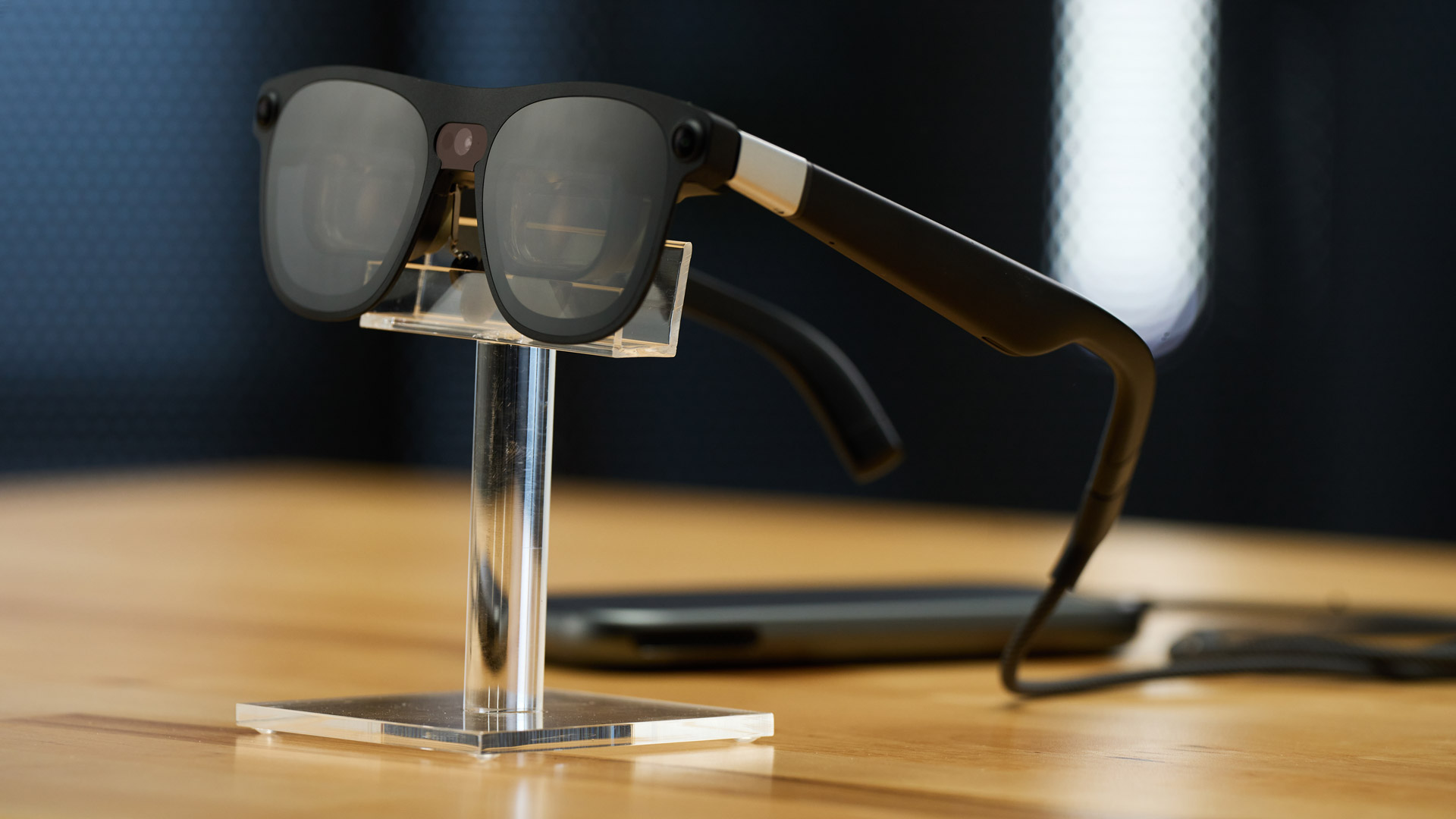
At its I/O developer conference, Google unveiled a significant new initiative for the extended reality (XR) ecosystem: the Android XR Developer Catalyst Program. This effort, announced in partnership with AR hardware company Xreal, is designed to accelerate the development of XR applications by providing developers with early access to next-generation AR glasses and tailored development resources.
The centerpiece of the program is Project Aura, the first AR glasses to run on Google's Android XR operating system. According to Google and Xreal, Project Aura developer kits will be distributed globally to select applicants, offering them not just the hardware but also a suite of tools and resources optimized for Android XR development. The companies emphasized that the goal is to "empower developers to start building the XR apps and experiences they’ve always imagined." This marks a notable step for Google in supporting spatial computing and immersive content creation, especially as Project Aura is confirmed to ship later this year.
Developers interested in participating can apply immediately at g.co/dev/catalyst. Google and Xreal will review applications and begin providing Project Aura developer kits in the coming weeks. This global approach to seeding hardware and resources is intended to foster a diverse range of XR content and experiences, potentially giving developers a head start in building for a platform that could shape the future of AR and mixed reality.
For professionals in the XR industry, the Android XR Developer Catalyst Program represents an opportunity to engage directly with new hardware and software before it reaches the broader market. By targeting developers early and offering dedicated support, Google and Xreal are signaling a commitment to building a robust content ecosystem for Android XR. This move could influence the direction of AR application development, especially as more companies look to establish footholds in the spatial computing landscape. The industry will be watching closely to see what kinds of experiences emerge from this program and how Project Aura compares to other AR devices on the market.
Source: Road to VR
Google, Samsung, and Snap Gear Up for XR Glasses Launches

This week in XR, Google and Samsung made headlines with fresh updates on their upcoming smartglasses, while Snap’s next-generation Spectacles reportedly edge closer to launch. At Google I/O, the company showcased advancements in Android XR, including new demos and details about XREAL’s Project Aura. These birdbath AR glasses, powered by Android XR and tethered to a computational puck, promise a field of view up to 70°, which stands out among current AR offerings. Project Aura is confirmed for release this year, and Google has launched the "Android XR Developer Catalyst Program," which will distribute 1,000 Project Aura kits to developers. Select projects may also receive funding, making this a notable opportunity for industry professionals and startups looking to build for the platform.
Hands-on impressions of Project Aura have been positive, with the latest version reportedly lighter and more performant than earlier demos. Notably, GPS functionality has been added, and integration with Google Gemini allows for on-device coding and AI-powered application development. Analysts highlight the seamless integration of both Project Aura and Google’s smartglasses with the broader Android ecosystem as a key differentiator. Features demonstrated include invoking Gemini for tasks, taking and editing photos, and leveraging AI agents for real-world tasks like ordering coffee. This deep ecosystem integration is seen as a major advantage over competitors, particularly Meta, which lacks full control over its operating system and may struggle to match these capabilities.
In parallel, Google and Samsung’s collaborative audio smartglasses, set for a fall release, were previewed. The glasses, similar in concept to Ray-Ban Meta, will launch in variants co-designed with Warby Parker and Gentle Monster. The Gentle Monster model, in particular, targets a female audience with a distinct design. The glasses’ tight integration with Android devices—allowing users to interact with Gemini, manage calendars, and access navigation—demonstrates Google’s push for a unified user experience across wearables, phones, and smartwatches.
Meanwhile, Snap’s next Spectacles are reportedly on the horizon, with a possible unveiling at AWE in June, coinciding with CEO Evan Spiegel’s keynote. According to journalist Alex Heath, the new Spectacles will feature a smaller form factor, lighter weight, and enhanced capabilities compared to previous versions. However, the rumored price of around $2,500 raises questions about their target market. High pricing could push Snap toward a prosumer or enterprise focus, echoing Magic Leap’s trajectory, and may limit consumer adoption. Additionally, Snap’s reliance on Lens Studio rather than industry-standard engines like Unity or Unreal could hinder B2B appeal. These developments underscore the intensifying competition and strategic pivots in the XR wearables space as companies race to define the next must-have device.
Source: Skarredghost
Steam Deck Price Surge Raises Concerns for Steam Frame VR
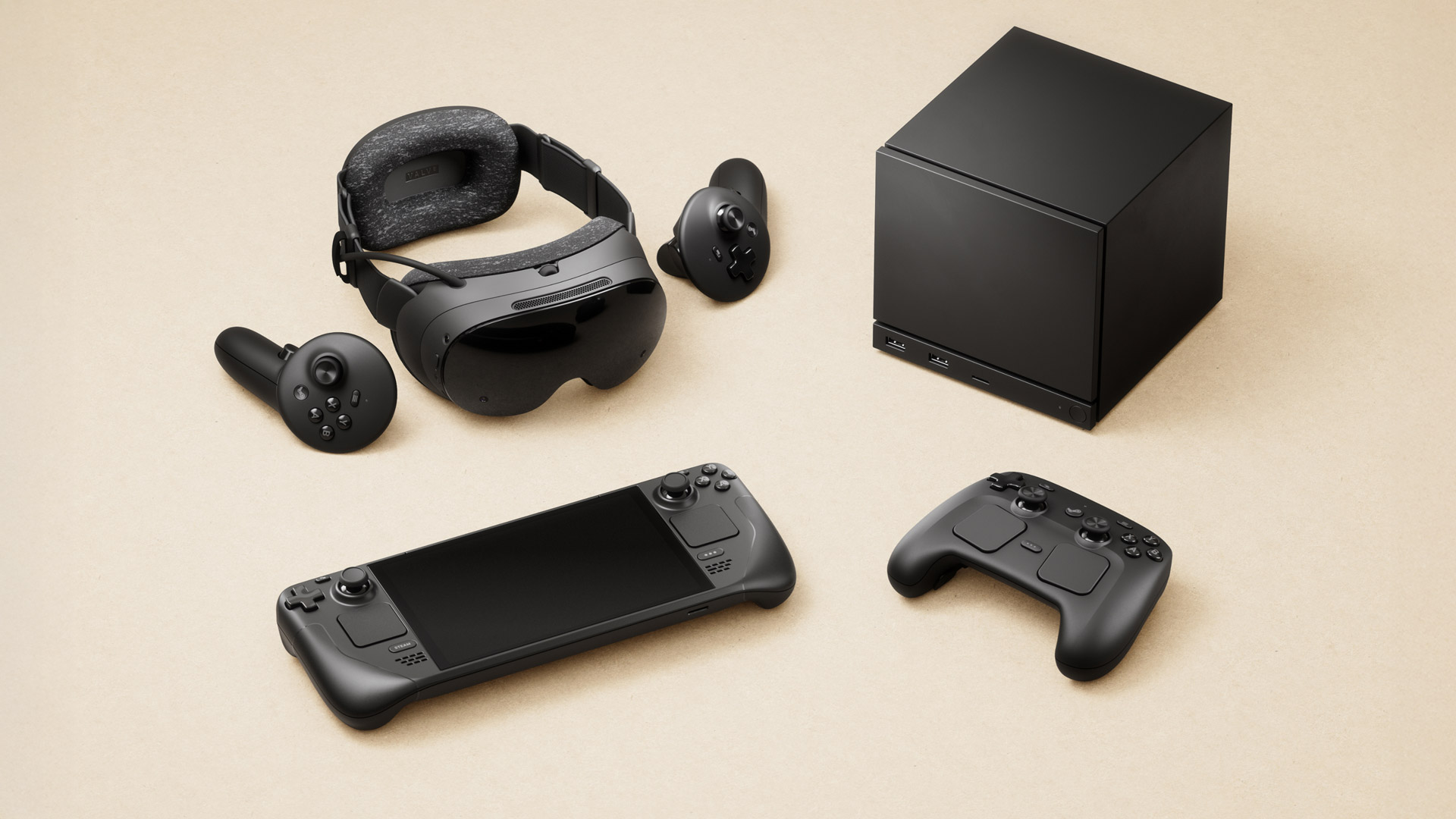
Valve has announced a significant price increase for its Steam Deck handheld gaming PC, with the 512 GB OLED model rising from $549 to $789 and the 1 TB version jumping from $649 to $949. These changes represent price hikes of 44% and 46% respectively, marking one of the steepest increases in the device’s history. The more affordable 256 GB LCD Steam Deck has also disappeared from Steam’s listings, suggesting it may have been discontinued after a prolonged period of being out of stock.
Valve attributes these increases to soaring component costs and broader logistical challenges affecting the consumer electronics industry. In a statement, the company clarified that the Steam Deck hardware itself remains unchanged, and the new pricing is a direct response to the current cost of components and supply chain difficulties. Valve has promised to keep users updated if circumstances improve, but for now, the new prices are in effect.
This development is particularly significant for those awaiting Valve’s upcoming standalone VR headset, Steam Frame. Earlier this year, Valve acknowledged that rising RAM and SSD prices were forcing the company to reconsider the pricing and release dates for both Steam Frame and its compact gaming PC, Steam Machine. While Valve previously indicated that Steam Frame would be priced below the Valve Index—whose full kit launched at $1,000 and headset alone at $500 in 2019—the recent Steam Deck price surge casts doubt on whether this goal is still realistic. If a similar 45% price increase were applied to the Index, the full kit could reach $1,450, with the headset alone at $725.
Industry watchers are also closely monitoring Valve’s recent import of 50 tons of “Game Consoles” into the US, a category broad enough to include either Steam Machine or Steam Frame. However, there has been no official word on a release date for Steam Frame, and the original “early 2026” launch window has already passed. This uncertainty, coupled with the Steam Deck’s price hike, raises concerns about the affordability and timing of Valve’s next VR hardware. For professionals in the VR industry, these developments highlight the ongoing volatility of hardware pricing and the challenges of planning around shifting supply chain realities.
Source: Road to VR
Top Meta Quest 3 Features to Enhance Your VR Experience
The Meta Quest 3 VR headset comes equipped with a range of features designed to help users maximize their virtual reality experience. From improved hardware to new software capabilities, these enhancements aim to make the device more versatile and user-friendly for both newcomers and seasoned VR enthusiasts.
Key features highlighted for the Meta Quest 3 include performance improvements, expanded tracking capabilities, and new options for customization and comfort. These advancements are intended to support a wide variety of VR applications and ensure that users can tailor their experience to their preferences.
Whether you are interested in gaming, productivity, or social interaction, exploring the full set of features on the Meta Quest 3 can help you get the most out of your headset. Staying informed about these capabilities is essential for anyone working in or following the VR industry.
Source: SlashGear
GravityXR Unveils Ultra-Compact VR Headset Reference Designs

GravityXR, a Shanghai-based company specializing in AR/VR chipset design, recently showcased what may be the smallest VR headset reference design yet. During a brief hands-on session at the company’s offices, The Ghost Howls’ Tony “Skarredghost” Vitillo reported on his impressions of two reference headsets powered by the GravityXR X100 chipset, highlighting both their technical achievements and areas for improvement.
GravityXR’s business model focuses on providing chips and reference designs to OEMs, rather than manufacturing consumer headsets themselves. The company, established in 2021, has quickly progressed through multiple funding rounds and now offers several chipsets and reference platforms to help OEMs accelerate their XR product development. The X100 chipset, in particular, was at the heart of the headsets demonstrated, offering features such as 4K OLED displays, eye tracking, and hand tracking capabilities.
The first device Vitillo tried was a PC-tethered mixed reality headset. This unit delivered high-resolution visuals via 4K OLED screens and featured a Vision Pro-style interface, with eye tracking enabling gaze-based interactions and hand tracking supporting pinch gestures. While the visuals were described as crisp and the passthrough quality was rated among the best available, some issues were noted, including lag in hand tracking, minor lens aberrations, and occasional tracking glitches. Nevertheless, the high display resolution helped offset these drawbacks, and the headset supported magnetic prescription lenses for added user comfort.
The standout of the visit was the G-X100-M1 reference design, a remarkably compact and lightweight (93.6g) tethered headset. Sacrifices were made for its small form factor, such as omitting eye tracking, which led to less intuitive head-based menu navigation. The device can connect to both Windows PCs (with 6DOF tracking) and Android phones (currently limited to 3DOF, though improvements are in development). On Android, users can launch standard 2D apps in a floating virtual screen, interactable via hand gestures. The OLED displays again delivered bright colors and high pixel density, though some lag and lens aberrations persisted. Comfort was a major highlight, with the headset’s low weight making it barely noticeable during short sessions, though long-term comfort may still be an issue.
GravityXR has not disclosed pricing for these prototypes but is actively collaborating with OEMs, with commercial products based on the X100-M1 reference design expected to be announced soon. The company is also open to partnerships and occasionally sells prototype units to interested companies and institutions. For industry professionals, GravityXR’s approach offers a compelling path to rapidly develop lightweight, high-quality VR glasses, though some technical refinements remain to be addressed before mass adoption.
Source: The Ghost Howls
CBS Sacramento Launches AR/VR-Driven Studio for News
CBS Sacramento has unveiled a new studio powered by AR and VR technologies, aiming to provide a more immersive news experience for its regional audience. The debut took place on May 11 at 12:00 PM, marking a significant step in the station's efforts to expand its use of innovative storytelling tools.
Source: Paramount Press Express.
How Virtual Communities Persist After Platform Closures
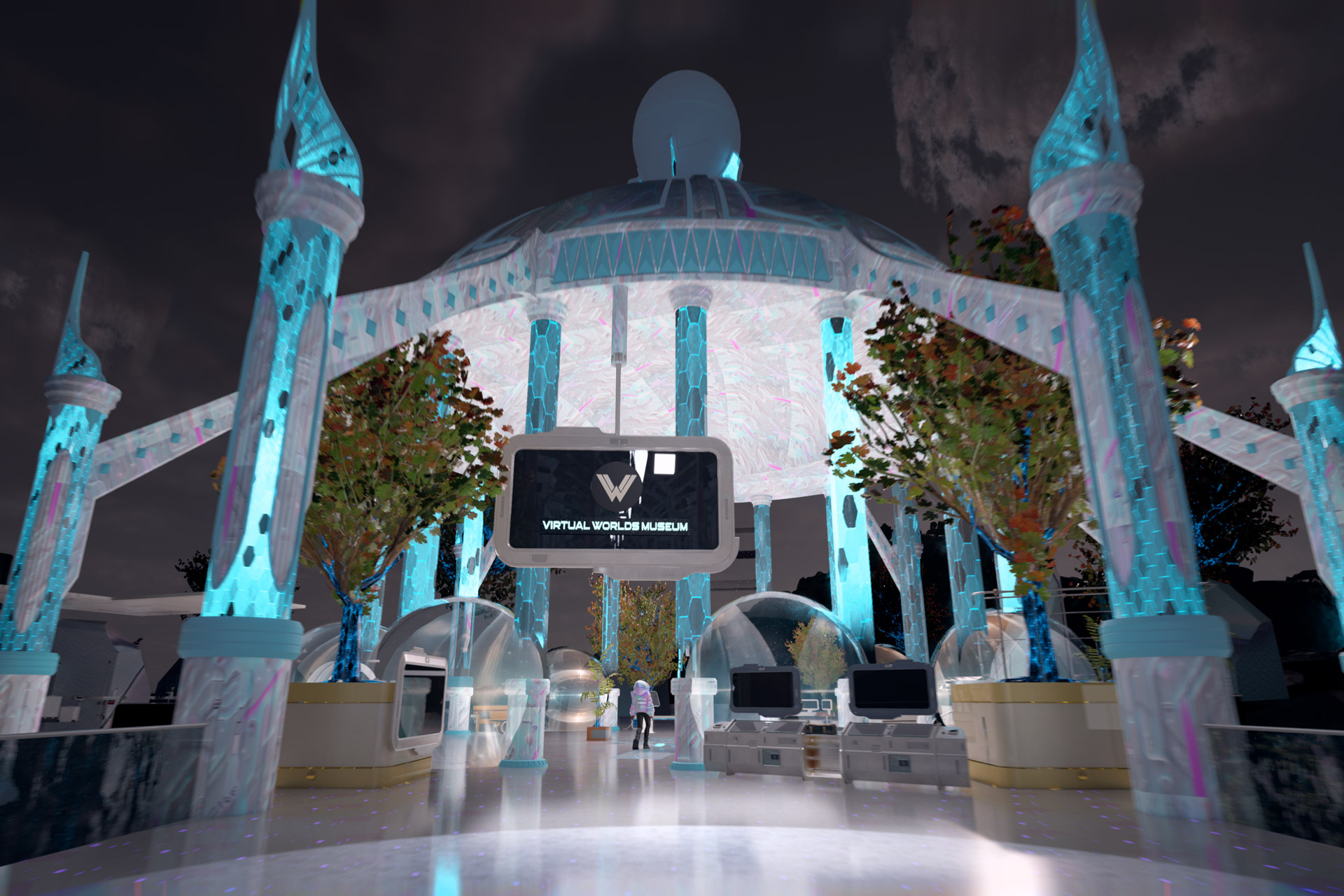
The closure of virtual worlds is an increasingly common event in the immersive industry, but the impact goes far beyond the loss of a digital product. According to Julian Reyes, an award-winning XR producer and director of the Virtual Worlds Museum, the end of a platform means the disappearance of places where communities have built rituals, relationships, and memories over years. Reyes, who will speak at AWE USA 2026 on the preservation of online worlds, emphasizes that these environments are not disposable apps but lived spaces with significant cultural value.
Recent shutdowns, such as Microsoft’s closure of AltspaceVR in March 2023, have left communities scrambling to find new homes. AltspaceVR, which once saw around 35,000 monthly participants, is a case in point. When it closed, its community migrated to VRChat, which recently reached nearly 158,000 concurrent players. Former AltspaceVR users not only recreated familiar spaces in VRChat but also organized commemorative events marking the three-year anniversary of their former home’s closure. These efforts demonstrate that while platforms may disappear, communities strive to endure, carrying forward their culture and connections into new environments.
This resilience is echoed across other platforms. VRChat has actively welcomed displaced users from Rec Room and Horizon Worlds, offering them a social refuge. Similarly, after the virtual world There shut down in 2010, Second Life creator Linden Lab provided a special avatar name to help former users reconnect. Some communities have gone further, attempting to reverse engineer or archive their favorite worlds, as seen with groups working on Rec Room and Club Penguin. These actions highlight a growing demand for preservation, continuity, and interoperability within the industry.
Reyes argues that the industry must do more to support these transitions. He suggests practical steps such as building export options, archiving systems, and community handoff processes before a shutdown occurs. His organization, the Virtual Worlds Museum, is dedicated to documenting and preserving the memory of lost worlds through exhibits and storytelling, and has launched a crowdfunder to support these efforts. Ultimately, Reyes calls for the industry to treat virtual worlds as cultural spaces with legacies worth protecting, rather than as disposable experiments. The preservation of these communities and their histories, he contends, is essential as more aspects of life move into immersive digital spaces.
Source: Road to VR
Spotted something wrong in this issue? Report it.