TMNT: Empire City Brings Classic Co-op Action to VR Platforms
This issue covers TMNT: Empire City’s VR debut, Samsung Galaxy XR teardown, VR in schools, headset editor’s picks, Meta Quest’s top games, and more.

TMNT: Empire City Brings Co-op VR Beat 'Em Up to Quest, PC VR, Pico
The Teenage Mutant Ninja Turtles are making their way to virtual reality with the upcoming release of Teenage Mutant Ninja Turtles: Empire City, a story-driven campaign game with optional co-op play. Developed by Cortopia Studios and published by Beyond Frames Entertainment, the game is set to launch on April 30th, 2026 for Quest, SteamVR, and Pico platforms at a price of $25.
Unlike many branded VR titles that primarily target fans, Empire City aims to appeal to a broader audience with its engaging beat 'em up gameplay. Players can choose from the four iconic turtles—Leonardo, Raphael, Donatello, and Michelangelo—each wielding their signature weapons. While you can switch turtles during the campaign, doing so means losing valuable character upgrades, encouraging players to master a single character for the best experience.
The game’s narrative is set in a post-Shredder New York City, where the turtles must contend with a power vacuum as Shredder’s former underlings vie for control. The campaign takes players through various boroughs of New York, featuring missions that involve retrieving high-tech items and battling through the city’s iconic locations. The overland map and interconnected sewers allow for exploration, while the majority of major story events unfold in warehouse 'dungeons.'
Combat is central to the experience, offering a range of enemy types from standard Foot soldiers to heavily armed elites. Boss battles add variety, each with unique mechanics, though they typically feature two phases and are not overly challenging. The game also includes stealth elements, allowing players to dispatch enemies from a distance by throwing their weapons, which conveniently respawn in shoulder holsters. This mechanic, combined with the ability to upgrade abilities and collect scrap for crafting, adds depth to the gameplay. Upgrades are achieved by finding blueprints, rare items, and leveling up, unlocking new abilities and consumables.
Additional features include collectible audio tapes for story expansion, numerous easter eggs, and optional time trials, providing incentives for thorough exploration. However, some aspects, such as the crime rating system and repetitive city encounters, may feel like unnecessary padding for some players. The game’s user interface is heavily reliant on objective markers, which can detract from immersion, and certain environmental interactions are limited, occasionally leading to confusion about what can be accessed or manipulated.
Despite these minor drawbacks, Empire City stands out for its faithful recreation of the TMNT vibe, with cartoon-inspired visuals, strong voice acting, and a surprisingly detailed city map. The production values are notable, especially considering the modest price point. For VR industry professionals, this title demonstrates how established franchises can be effectively adapted for immersive platforms, balancing nostalgia with accessible, engaging gameplay that has the potential to reach beyond the core fanbase.
Source: Road to VR
Top VR Headsets of 2026: Editor's Picks
A roundup of the best VR headsets available in 2026 highlights the top choices for immersive hardware on the market right now. The selection focuses on devices that stand out for their performance, features, and overall user experience. This guide is intended to help professionals and enthusiasts identify the most impressive VR hardware currently available. Source: CNET and The New York Times.Meta Quest's Top VR Game Picks for April 2026
April 2026 brought a fresh lineup of games and experiences to the Meta Quest platform. If you're looking for new titles to try, the monthly recap highlights the latest and most notable releases for VR enthusiasts.
For more details on the full list and recommendations, check out the official coverage from Meta and Tom's Guide.
Source: Meta, Tom's Guide.
Moultrie Police Use VR Training for Realistic Scenarios
Moultrie police officers are now using virtual reality training to prepare for high-stakes situations before they begin active duty. This new approach immerses officers in realistic scenarios, aiming to enhance their readiness and decision-making skills on the job. The VR training is designed to simulate the kinds of challenges officers may encounter in the field, offering a safe environment to practice responses and strategies. This initiative reflects a broader trend in law enforcement toward adopting advanced technologies to improve training outcomes. Source: WALB.USF Study: Kids Use AR Differently Than Adults in Classrooms
A study from the University of South Florida has found that children interact with augmented reality in ways that differ from adults, raising concerns about the use of AR in educational settings. The findings suggest that educators and technology developers may need to reconsider how AR tools are designed and implemented for younger users.
Source: EurekAlert!
Pimax Crystal Super 57PPD delivers top-tier VR image quality
The Pimax Crystal Super 57PPD has been reviewed as offering the finest image quality ever experienced in a VR headset. This suggests a significant leap in visual clarity for virtual reality hardware, potentially setting a new standard for the industry.
While specific technical details or comparisons are not available, the headline alone highlights the device's exceptional display performance, which may interest professionals and enthusiasts seeking the best possible visual experience in VR.
Source: PCGamesN
Valve Delays Steam Frame Launch Due to RAM Shortage

Valve has confirmed that the highly anticipated Steam Frame VR headset will not be launching alongside the new Steam Controller on May 4th, citing a shortage of RAM as the primary reason for the delay. While the Steam Controller is set for release at $100, the absence of a simultaneous launch for the Steam Frame and Steam Machine marks a shift from Valve's earlier plans to release all three products together.
According to Valve hardware engineer Steve Cardinali, the decision to prioritize the Steam Controller was driven by its simpler hardware requirements, specifically the lack of RAM, which has allowed Valve to build up sufficient stock for launch. "We wanted to build up quantity so that we could try to address everybody who wants one at launch," Cardinali explained. This approach is particularly important given that the Steam Machine, Valve's upcoming living room console, will be offered in configurations both with and without the Steam Controller, increasing demand for the gamepad.
Valve's Pierre-Loup Griffais addressed the staggered rollout in an interview, stating that the company wants the controller to stand out as a product in its own right and to ensure customers can access it regardless of the status of the Steam Machine or Steam Frame launches. While Griffais did not directly discuss the component sourcing issues, Valve previously acknowledged in February that rising RAM and storage prices forced a reevaluation of pricing and release timelines for both the Steam Frame and Steam Machine. As of now, Valve has not provided specific details on when the Steam Frame or Steam Machine will become available or what their final pricing will be, but Griffais assured that the company is actively working to bring these products to market and expects to share more information soon.
The Steam Frame, showcased as a standalone VR headset capable of streaming and natively playing a user's entire Steam library, represents Valve's modern vision for VR hardware. The device is also notable for being the first VR headset to run SteamOS, with Valve indicating openness to supporting third-party headsets in the future. Although hands-on impressions highlight the Steam Frame's advanced capabilities compared to the Valve Index and Quest 3, the delay means VR developers and enthusiasts will need to wait longer to experience Valve's next-generation hardware. Valve has also stated that Steam Frame developer kits will be made available to VR developers ahead of the consumer launch to ensure game optimization.
For industry professionals, this delay underscores the ongoing challenges of hardware supply chains, especially for components like RAM that are critical to VR and spatial computing devices. The decision to decouple the launches may help Valve avoid the pitfalls of understocked hardware releases, but it also pushes back the timeline for ecosystem growth and developer engagement around Steam Frame and Steam Machine.
Source: Road to VR.
Samsung's Smart Glasses Leak Reveals Camera-Focused Design
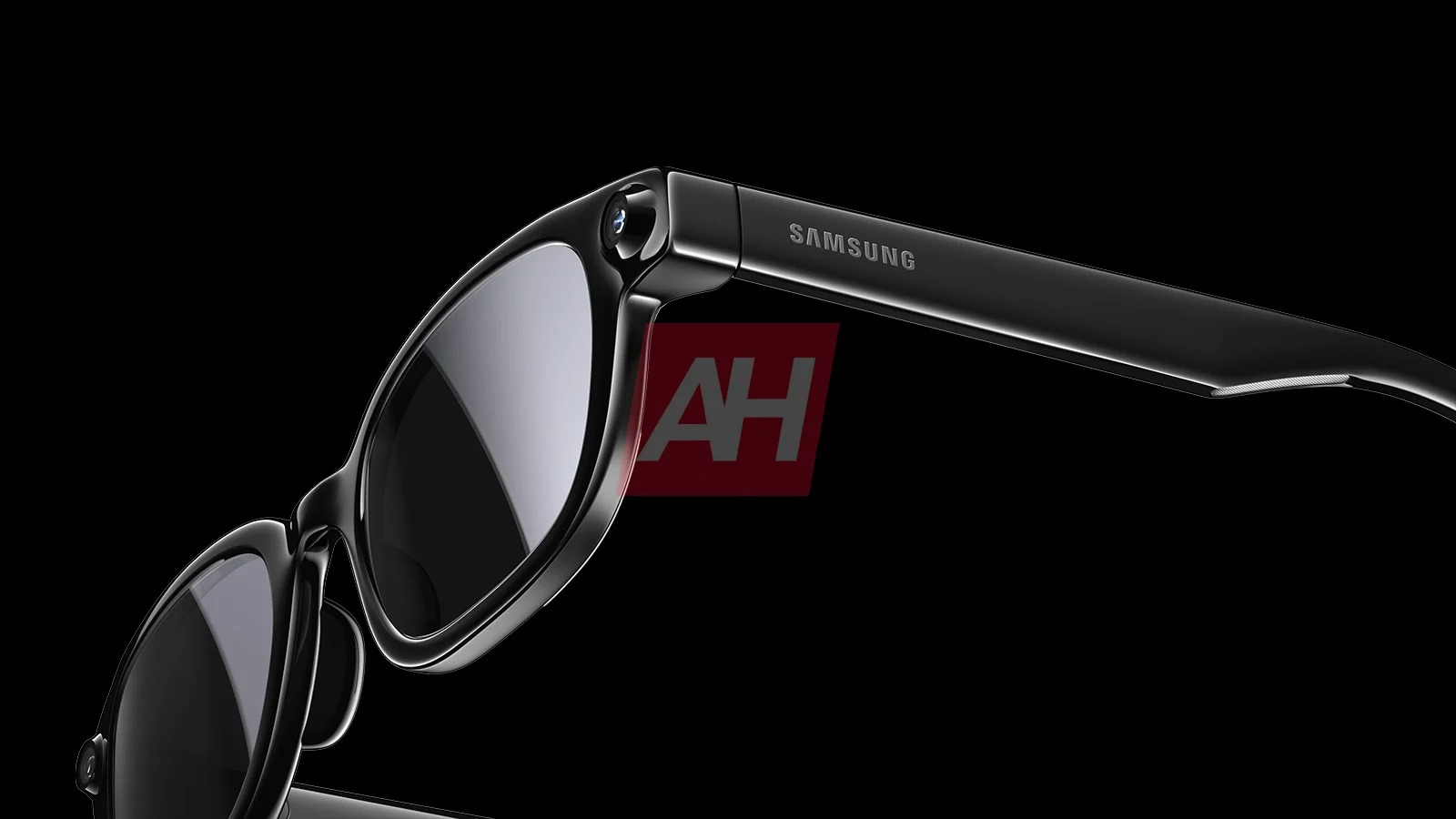
Samsung is reportedly preparing to enter the smart glasses market with a device that closely resembles the Ray-Ban Meta smart glasses, according to leaked images and specifications obtained by Android Headlines and reported by Road to VR. The images, which are said to be based on photos of a testing unit rather than official marketing materials, reveal a design that appears to prioritize camera functionality. The glasses are rumored to feature a prominent camera bump, potentially making it more obvious to bystanders when someone is wearing camera-equipped eyewear—a notable design choice in the context of ongoing privacy debates.
The reported specifications suggest that Samsung’s first smart glasses will not include a display, mirroring the approach taken by Ray-Ban Meta. Instead, the device is expected to include a 12MP camera sensor and run on the Qualcomm Snapdragon AR1 chipset, likely the Gen 1 version. The battery is said to be comparable to that of the Ray-Ban Meta glasses, though details on battery life, charging options, and microphone array remain undisclosed. The inclusion of photochromic transition lenses is a notable feature, as these are optional paid add-ons for Ray-Ban Meta’s various frame styles, such as Wayfarer and Skyler.
Pricing rumors place Samsung’s smart glasses between $379 and $499, directly matching Ray-Ban Meta’s price range for its base models. While the device is being referred to as ‘Galaxy Glasses’ in some circles, there is no confirmation that this will be the final product name, despite Samsung’s previous trademark filings for the term in 2023. The official unveiling may take place at Samsung’s next Unpacked event in July, but until then, many details remain unconfirmed.
The competitive landscape for smart glasses is rapidly evolving. Google is collaborating with Gentle Monster and Warby Parker to develop Android XR-based smart glasses, some of which may include displays and are expected to launch this year. Additionally, Gucci’s parent company Kering has announced a partnership with Google to create Gucci-branded smart glasses, also running Android XR. In a sign of Samsung’s broader ambitions, rumors indicate that the company is already working on a second, more advanced pair of smart glasses, codenamed ‘Haean’, which could feature a built-in display. These display-equipped glasses are reportedly targeted for release in 2027, with a potential price range of $600 to $900, putting them in competition with Meta’s display-enabled Ray-Ban model released in the US for $800 last year.
For industry professionals, Samsung’s entry into the smart glasses space signals intensifying competition and a growing focus on camera and display technologies. With privacy concerns already drawing legal scrutiny for competitors, design choices that make camera functionality more visible may become increasingly important. As the market prepares for new launches from major tech and fashion brands, the next few years could see significant advances in both the capabilities and mainstream acceptance of smart eyewear.
Source: Road to VR
Win Free Passes to AWE USA 2026, the Top XR Industry Event
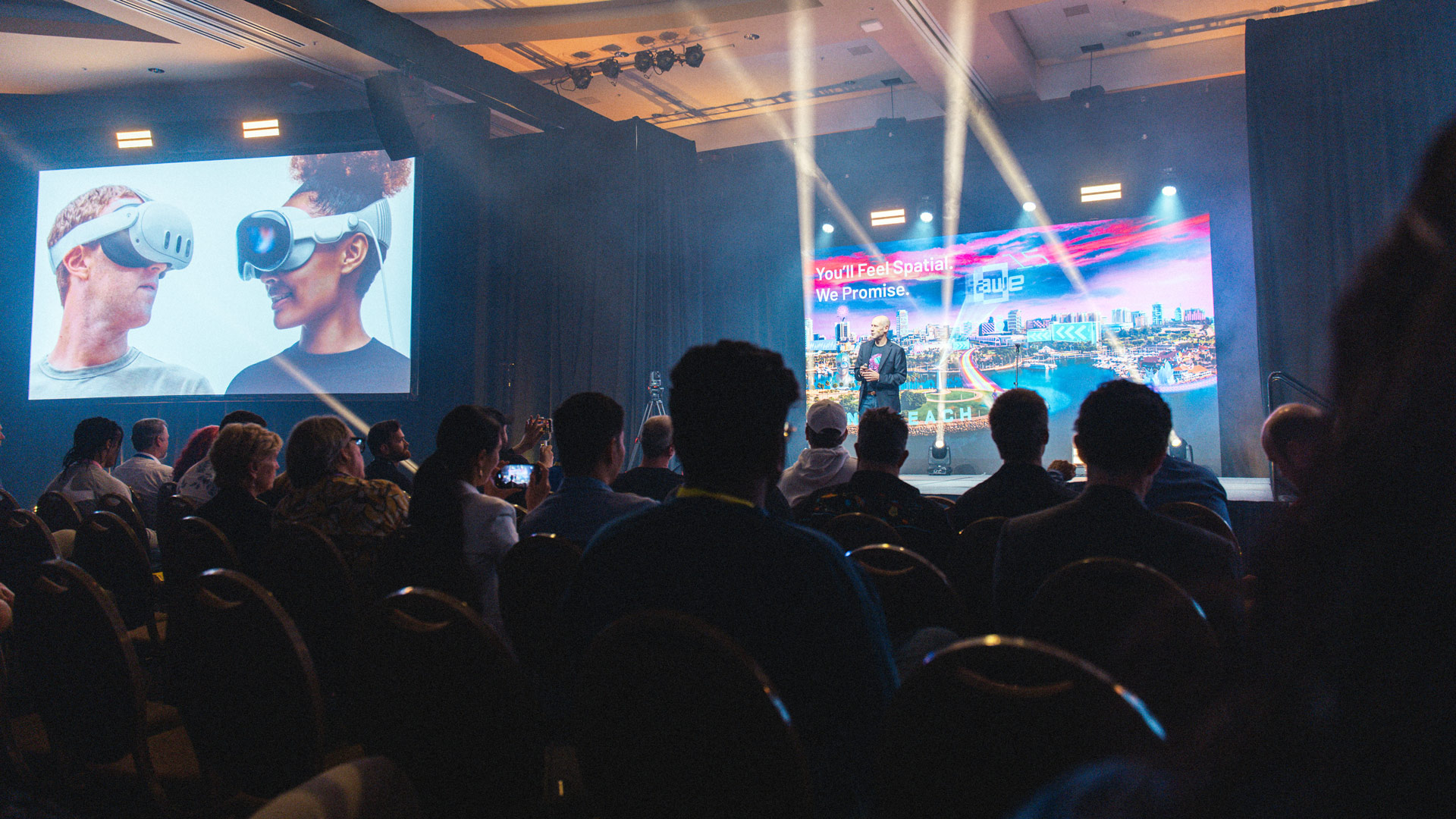
AWE USA 2026, one of the most anticipated events in the XR industry calendar, is set to return to Long Beach, California from June 15 to 18. As the event continues to grow in prominence, this year’s edition promises to be larger than ever, with expectations of more than 5,000 attendees, 3,250 exhibitors, and 400 speakers. The expo floor alone will span an impressive 150,000 square feet, offering an expansive showcase of the latest in virtual, augmented, and mixed reality technologies.
For professionals in the XR sector, AWE USA is widely regarded as the must-attend annual gathering. The event’s comprehensive schedule includes four days packed with talks, panels, and networking opportunities, making it an essential venue for those looking to stay at the forefront of the industry. General Admission passes grant access to all these activities, ensuring attendees can take full advantage of the educational sessions and the extensive expo floor.
In partnership with the event, Road to VR is offering readers a unique opportunity to win one of several free General Admission passes to AWE USA 2026. To enter, participants simply need to sign up for the Daily Roundup Newsletter, even if they are already subscribers. Alternatively, entries can be submitted by emailing AWEUSA2026@roadtovr.com with the subject line "Entry." The giveaway is nearing its closing date, so those interested are encouraged to act quickly to secure their chance. Only one entry per person will be considered, and winners will be selected randomly and notified via email. It’s important to note that the passes are non-transferrable and non-refundable.
- Event: AWE USA 2026
- Location: Long Beach, CA
- Dates: June 15–18
- Expected Attendance: 5,000+
- Exhibitors: 3,250
- Speakers: 400
- Expo Floor: 150,000 sqft
For companies interested in exhibiting or sponsoring at AWE USA 2026, Road to VR readers are eligible for an exclusive 10% discount on exhibition or sponsorship packages. This incentive could be especially valuable for startups and established firms looking to maximize their presence at the event.
With the XR landscape evolving rapidly, events like AWE USA provide unparalleled opportunities for industry professionals to connect, learn, and showcase innovations. The chance to attend for free, courtesy of Road to VR’s giveaway, is a significant opportunity for anyone working in the field or looking to break in. As the deadline for the giveaway approaches, those interested should ensure they submit their entries promptly to avoid missing out.
Source: Road to VR
Steam Frame Hype Grows, Samsung and Gucci Smartglasses Rumored

This week’s XR industry roundup highlights several stories that signal both anticipation and evolution across virtual and augmented reality. The most prominent buzz centers on Valve’s Steam Frame, a highly awaited VR headset whose price announcement is expected soon. Speculation is rife about a possible launch on May 4th, according to a Japanese website, though this date remains unconfirmed elsewhere. The device is generating significant excitement, with many in the community refreshing product pages in anticipation. However, expectations are tempered by predictions that the Steam Frame will be priced between $800 and $1,000, a range that could limit its appeal to dedicated gamers and VR enthusiasts rather than the broader consumer market. The leaked $99 price for the Steam Controller further suggests Valve is positioning the Frame as a premium product, not an entry-level device. While some hope it could be a turning point for VR adoption, others see it as a strong but niche addition to the ecosystem.
In the realm of smartglasses, Android Authority discovered evidence in Samsung’s upcoming One UI 9 firmware of a new device codenamed ‘Haean’ (model SM-O500). This device is distinct from Samsung’s previously known models, which are expected to offer audio-only interactions similar to Ray-Ban Meta glasses. Rumors suggest that “Haean” may feature a display and could launch as early as 2027, though these details remain speculative. Notably, this codename surfaced in leaks a year ago, adding weight to ongoing speculation. Despite the uncertainty around “Haean,” Samsung is confirmed to be launching smartglasses this year, signaling the company’s continued investment in the spatial computing sector.
Meanwhile, the partnership between Google and luxury conglomerate Kering is set to bear fruit, with the first Android XR-powered smartglasses from this collaboration—likely under the Gucci brand—expected next year. This move brings a high-fashion angle to the smartglasses market, addressing a longstanding industry goal to make wearable tech more stylish and appealing to mainstream consumers. The involvement of a major fashion house like Gucci could help shift perceptions of smartglasses from niche gadgets to desirable accessories, potentially broadening their appeal.
On the software front, Quest Browser v146 has introduced experimental support for WebGPU in WebXR, which should be enabled through experimental features. This upgrade promises improved performance for web-based XR applications, moving the technology closer to being viable for production-grade experiences. Additionally, the XR sector saw new research projects and partnerships, such as Mentra’s collaboration with Nimo to bring the Mentra MiniApp Store to lightweight Chinese smartglasses, furthering the goal of cross-platform compatibility for developers.
For those in the XR industry, these developments highlight both the ongoing hardware innovation and the increasing convergence of technology and fashion. The next wave of devices and software improvements could shape how immersive experiences are delivered and adopted, with premium products targeting enthusiasts and new collaborations aiming to attract a wider audience.
Source: Skarredghost
Hands-On with Meta's AI Agentic Workflow for WebXR

Meta has recently introduced a fully integrated AI agentic workflow for its Immersive Web SDK (IWSDK), aiming to simplify and accelerate the development of WebXR experiences. This new approach, announced at the latest Meta Connect, promises to allow creators to prototype WebXR applications simply by writing prompts, leveraging AI to handle much of the coding and testing process. But how does this system actually perform in practice, and what does it mean for developers looking to build immersive web content?
The IWSDK itself is designed to address the longstanding challenges of WebXR development. Traditionally, building for WebXR has required developers to work with low-level libraries like Three.js, making the process cumbersome and reminiscent of early 3D programming with OpenGL. While solutions like Wonderland Engine have emerged to provide higher-level interfaces, Meta’s SDK stands out by layering a more accessible API on top of Three.js and introducing features such as ready-made functions for object interaction, locomotion, and spatial audio. The SDK also adopts the Entity Component System for modularity, and its Meta Spatial Editor offers a visual development environment akin to Unity, enabling users to import and manipulate 3D assets visually.
The real innovation, however, lies in Meta’s AI agentic workflow. When developers start a new IWSDK project using the default template, the project comes pre-equipped with detailed instruction files—such as a comprehensive copilot-instructions.md—designed to help AI development tools like GitHub Copilot understand the project structure, common pitfalls, and best practices specific to IWSDK. This is particularly valuable given the SDK’s novelty and niche status, ensuring that AI assistance is both context-aware and effective.
Beyond documentation, Meta has equipped its workflow with a suite of MCP tools that AI agents can utilize during development and testing. These tools enable AI to perform actions such as taking screenshots, moving virtual controllers, and pressing buttons within a running WebXR experience. The agents can use these capabilities to iteratively build, test, and refine features—such as arranging cubes to form a smiley face or creating interactive objects—by running live tests, analyzing results, and automatically adjusting code as needed. This hands-off, automated loop is a significant leap forward, as it allows developers to delegate both coding and testing to AI, reducing the manual, repetitive cycles typically involved in XR prototyping.
Getting started with the agentic workflow is straightforward: after answering a few setup questions, developers receive a template project with a basic scene, which can be opened in their preferred editor (such as VS Code with GitHub Copilot). Running npm run dev launches a local development server and opens the experience in a browser, where the AI agents can begin their work. Meta’s extensive documentation supports this process, making it accessible even to those new to the SDK.
For industry professionals, Meta’s AI agentic workflow represents a promising step toward democratizing WebXR development. By lowering technical barriers and automating both coding and testing, it could accelerate content creation and make immersive web experiences more accessible to a broader range of creators. The integration of AI-driven testing in particular addresses a longstanding gap in XR development, potentially setting a new standard for future tools in the space.
Source: Skarredghost
Chinese XR Leaders Share Market Insights and Future Trends

Four prominent Chinese XR companies—Pimax, INMO, FXG, and DPVR—have provided a detailed look into the current state and future direction of the immersive technology market in China. Ahead of the VR AR Expo China in Shanghai, representatives from each company shared their perspectives on industry challenges, product strategies, and the evolution of XR devices, offering valuable insights for professionals working in virtual, augmented, and mixed reality.
Pimax, known for its high-end PCVR headsets, has been a key player in the sector for over a decade. Jaap Grolleman, who oversees global branding and product launches, highlighted the company’s latest product, the Dream Air headset, which features a 27-million-pixel display and a lightweight design. Grolleman emphasized that despite temporary increases in RAM prices, the industry is experiencing renewed interest from manufacturers, developers, and users, with AI poised to drive further innovation. He noted that the market is not facing a crisis but is instead entering a phase of diversification, with a range of devices catering to different use cases and user needs.
INMO, represented by marketing lead Near, focuses on consumer-grade, wireless AR glasses designed for daily wear. Near described the current period as one of "natural selection" rather than hardship, arguing that the cooling-off phase is leading to the emergence of companies that can truly address user needs and deliver superior wearing experiences. INMO’s strategy centers on balancing computing power, battery life, and aesthetics, with products like the INMO Air 3 and INMO Go 3 targeting both immersive AR experiences and practical daily functions such as translation and notifications. Near believes that smart glasses will become the core of XR, eventually replacing many smartphone functions.
FXG, led by Nikk Mitchell, develops immersive content and video technology. Mitchell, with nearly 15 years in the industry, views the current challenges as part of XR’s ongoing evolution. He sees the long-term trajectory of XR as leading to an all-in-one computing platform that could eventually replace smartphones, computers, and televisions. However, he acknowledges that current hardware limitations—such as bulkiness, cost, and lack of full immersion—mean that widespread adoption will depend on future improvements in comfort, affordability, and functionality.
Sunny Chen, founder of DPVR, outlined the company’s dual focus on VR and AI spatial computing terminals. DPVR’s product portfolio spans all-in-one VR devices, PC VR headsets, and software platforms, serving industries such as education, robotics, tourism, and simulation training. Chen described the market’s shift from hype to value-driven fundamentals, where high-frequency usage, robust business models, and efficiency gains are now paramount. DPVR’s global reach extends to over 40 countries with more than 13,000 partners, and the company is committed to advancing spatial computing and visual intelligence for real-world applications.
Together, these perspectives underscore a maturing Chinese XR industry that is moving beyond hype cycles to focus on sustainable growth, user-centric design, and technological integration. For those working in the industry, the message is clear: success will depend on adaptability, innovation, and a deep understanding of evolving user and market needs.
Source: Skarredghost
Spotted something wrong in this issue? Report it.