Meta Quest 3 to Add Advanced Passthrough Update
This issue covers Meta Quest 3’s upcoming Vision Pro-like passthrough feature, new VR headsets, XR developer tools, enterprise adoption, and cultural experiences.

Museums Embrace the Metaverse for Cultural Engagement
Museums are beginning to explore the metaverse as a new frontier for cultural experiences. By leveraging virtual and mixed reality technologies, these institutions aim to create immersive environments that can engage visitors in novel ways beyond physical spaces.
This shift could reshape how audiences interact with art, history, and science, potentially making cultural content more accessible to a global audience. As the metaverse evolves, museums may find new opportunities to reach and educate visitors in interactive and dynamic settings.
Source: MuseumNext
Las Vegas security firm adopts VR for staff training
A private security company in Las Vegas is implementing a virtual reality training tool for its personnel. This move highlights the growing adoption of immersive technologies within the private security sector.
Source: FOX5 Vegas, KGNS.
Walmart Debuts AR Extension for Roblox 'Discovered' Experience
Walmart has introduced its first augmented reality (AR) extension for its 'Walmart Discovered' experience on Roblox, marking a significant step in blending immersive technology with digital commerce. The initiative, announced this week, builds on a previous test from April that integrated real-world commerce into the Walmart Discovered environment on Roblox. This latest AR extension was developed in partnership with Sawhorse, utilizing Niantic’s 8th Wall platform to enhance the interactive shopping journey for users.
The AR extension is designed to offer several interactive features that bridge the gap between physical and digital retail. Customers can access the AR experience through multiple channels: in-store displays, a dedicated landing page on Walmart’s website, and other promotional avenues. Within the AR experience, users are introduced to six indie experiences and games created by Roblox developers. These previews provide a glimpse into the diverse content available within Walmart Discovered, with the option for users to visit the full experiences directly on Roblox.
To further engage its audience, Walmart has partnered with Flaunt, a Roblox loyalty platform, to introduce monthly quests that link the AR and Roblox experiences. By completing these quests, customers can unlock free user-generated content (UGC) items, adding a layer of gamification and reward to the experience. Additionally, purchasing a Roblox gift card through Walmart grants customers a different free virtual item each month, encouraging ongoing participation and cross-platform engagement.
Justin Breton, Walmart’s Director of Brand Experiences & Strategic Partnerships, emphasized the company’s commitment to innovation and community engagement in a LinkedIn post. He highlighted the launch as a way to deepen relationships with the Roblox community by enabling users to step inside Walmart Discovered in the real world through AR technology.
For those working in the XR and retail industries, this move signals Walmart’s ongoing investment in immersive commerce and the potential for AR to drive customer engagement both online and in physical locations. By leveraging established platforms like Roblox and 8th Wall, Walmart is positioning itself at the intersection of gaming, social interaction, and retail innovation, offering a template for other brands considering similar integrations.
Source: Auganix
Doublepoint Turns Smartwatches Into XR 3D Mice at AWE

At this year’s Augmented World Expo (AWE), Doublepoint showcased WowMouse, a novel application that transforms Android smartwatches into 3D mice for XR environments. This concept leverages the advanced sensors already present in modern smartwatches, enabling gesture detection and spatial orientation without the need for gloves or external tracking cameras. Doublepoint, previously known as Port6, has been developing these innovative interfaces for several years, focusing on using wrist-worn devices to recognize hand poses and gestures. The company’s founders realized that the vibrations produced when the thumb touches different fingers can be distinguished by the smartwatch’s sensors and interpreted using machine learning, allowing for accurate detection of the common air-tap gesture used in XR systems like Vision Pro, Quest, and HoloLens.
WowMouse is currently available for Android smartwatches and is compatible with Magic Leap 2 and Meta Quest 2/3 headsets. The recommended hardware includes Samsung Galaxy Watch 4, 5, or 6, as well as the Google Pixel Watch 2. Once the WowMouse app is installed and paired with an XR headset, users can point and click in immersive environments by simply moving their wrist and performing the air-tap gesture. The system uses the smartwatch’s IMU to track orientation, turning the user’s hand into a 3DOF mouse. For developers, integration is straightforward, as WowMouse works directly with the Unity Input System, requiring only the definition of input actions without additional package installs.
During hands-on demos at AWE, two use cases were highlighted. The first, focused on IoT, allowed users to control lamps in a room by pointing and tapping, adjusting brightness with wrist rotation. This demo showcased the potential for gesture-based control of smart devices without XR headsets, though practical deployment would require more robust object recognition. The second demo, in partnership with Magic Leap, enabled users to interact with virtual bubbles and menus using the WowMouse. Unlike camera-based hand tracking, which requires hands to remain visible to sensors, the wrist-based detection allowed for relaxed, at-rest gestures, enhancing comfort during extended use. However, as a 3DOF system, the pointing experience was more akin to a traditional mouse than a full 6DOF VR controller, offering less precise targeting but still functional for menu navigation and basic interactions.
While hand tracking is now standard on most major XR headsets, Doublepoint’s smartwatch-based approach presents unique advantages, such as working without line-of-sight requirements and enabling interaction even outside XR contexts. For industry professionals, this opens up new possibilities for user input in both immersive and everyday environments. The WowMouse system is still in its early stages, but its ease of integration and comfort-focused design make it a noteworthy development in spatial computing interfaces. As the field continues to evolve, it remains to be seen whether wrist-based input will find widespread adoption or remain a niche alternative to camera-based hand tracking.
Source: Skarredghost
Techtree Innovation to Create Hyper-Realistic Digital Twin of Seoul
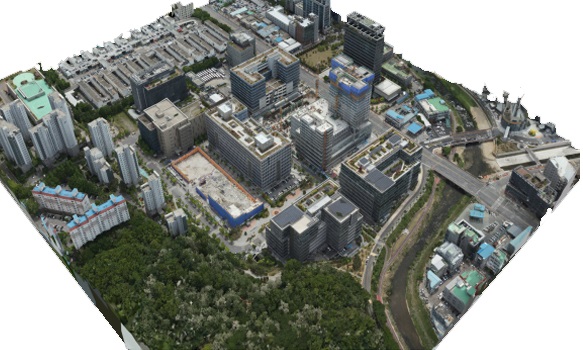
Techtree Innovation has entered into a business agreement with the Seoul Metropolitan Government to develop a hyper-realistic digital twin of the city, according to a recent announcement. The agreement, signed by representatives from both parties including Seoul City’s Digital Policy Officer Park Jin-young and Techtree Innovation CEO Choi Seung-yeop, outlines plans to produce a high-precision 3D map and jointly discover and utilize national services based on this advanced digital twin.
The collaboration centers on building a digital twin using a game engine, enabling the virtual model to reflect diverse physical data and variables. This approach allows for real-time monitoring, simulation, and analysis of urban environments. Digital twin technology, which creates virtual counterparts of physical spaces, is increasingly recognized for its ability to drive efficiency, reduce costs, and enhance decision-making in sectors like manufacturing, healthcare, and especially urban planning. By leveraging sensor data, these digital replicas can mirror real-world behavior, providing actionable insights into performance and potential issues.
Techtree Innovation’s proprietary platform, AROUND, underpins the project. This high-resolution spatial digital platform supports the integration of multiple services and solutions into a single digital twin environment. The company has stated its intent to expand the platform’s reach beyond domestic defense, government, and real estate sectors, targeting international markets as well. CEO Choi Seung-yeop emphasized the significance of spatial digital twins as a foundational technology for public policy, particularly in addressing complex urban challenges.
The initial demonstration phase will focus on a 4 square kilometer area in Yeouido, a prominent district in Seoul. This phase will showcase the implementation of roads, traffic simulations, disaster safety and prevention features, and the integration of national services within the digital twin. The completed work is set to be unveiled during the Seoul Smart Life Week event at COEX in October. Park Jin-young, representing Seoul City, highlighted the project’s role in advancing the city’s digital twin capabilities and reiterated the commitment to expanding the application of hyper-realistic digital services to foster a safer and more pleasant urban environment.
For professionals in the VR, MR, and spatial computing industries, this initiative demonstrates the growing importance of high-fidelity digital twins in urban management and public policy. The partnership between Techtree Innovation and Seoul City may serve as a model for other municipalities seeking to harness digital twin technology for smarter, safer, and more efficient cities.
Source: Auganix.org
Ceres Holographics Unveils Multi-Display HUD Windshield
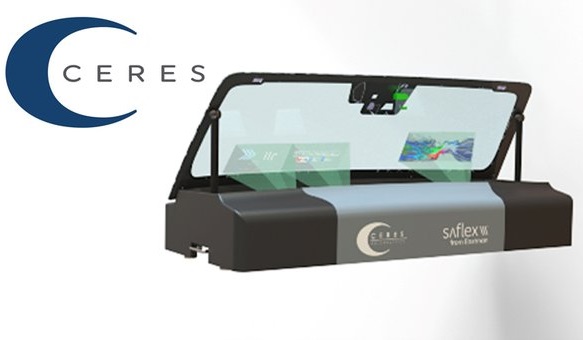
Ceres Holographics, in partnership with Eastman Chemical Group, has introduced a fully integrated windshield featuring multiple holographic optical elements (HOEs) within a single laminate construct. This new solution, announced in late June 2024, leverages Ceres’ proprietary ‘HoloFlekt’ technology to embed several HOEs into a windshield-sized photopolymer film, which is then seamlessly laminated into automotive glass using Eastman’s specialized techniques.
The HoloFlekt process enables the replication of custom-designed HOEs onto large-format films, making it possible to create multiple head-up display (HUD) areas within a single windshield. According to Ceres, this approach offers a scalable and cost-effective alternative to traditional HUD manufacturing, which typically supports only a single display area per windshield. Eastman’s lamination process ensures that these HOE-imprinted films can be robustly integrated into automotive-grade glass, meeting industry standards and requirements for durability and safety.
Each display area on the windshield can be customized to the specifications of automotive original equipment manufacturers (OEMs), including the size, position, and viewing angle. This flexibility is achieved by programming each HOE individually, allowing for a larger field of view and enhanced system geometry compared to conventional HUDs. Ceres claims that this level of precision and adaptability is only possible through holography, as it enables light manipulation capabilities that surpass traditional optics. Once installed in a vehicle, content is projected onto each display area by a compact LED projector located within the instrument panel, delivering information directly into the driver’s line of sight without the distractions associated with large touchscreens or look-down displays.
Romain Delorme, Global HUD segment market manager at Eastman, highlighted that after years of collaboration and several single HUD display proofs of concept for OEMs, the transition to multi-HOE films represents a significant advancement. This technology is expected to attract OEMs seeking to differentiate their vehicles, improve operational safety, and enhance the user experience. Andy Travers, CEO of Ceres, emphasized the importance of this solution in addressing safety concerns related to in-car information displays, positioning the holographic HUD as a viable and appealing alternative for the automotive industry.
Ceres is showcasing its concept demonstrator kit at Car.HMI Europe in Berlin, providing OEM human-machine interface (HMI) and user experience (UX) designers with the opportunity to experiment with transparent display HUDs and explore new ways to present information within vehicles. This development marks a notable step forward for spatial computing in automotive applications, offering industry professionals a new tool for integrating advanced, customizable, and safer display technologies into future vehicles.
Source: Auganix
Ultraleap Showcases Event Cameras for Advanced Hand Tracking

At this year's Augmented World Expo (AWE), Ultraleap drew attention with a surprising new direction in hand tracking technology, leveraging event cameras to enable advanced gesture recognition without the need for dedicated hardware. Traditionally, Ultraleap's acclaimed hand tracking—regarded by some as the best on the market—has required specialized hardware like the Leap Motion Stereo Controller, as seen in headsets such as the XTAL. However, at AWE, Ultraleap demonstrated its latest runtime, Hyperion, running on a Goertek reference design VR headset that did not include any Ultraleap hardware. Instead, the system utilized the headset's built-in cameras, which are typically used for positional tracking, to deliver the same high-quality hand tracking experience.
This shift represents a significant advancement for headset manufacturers, as it eliminates the need for additional sensors, reducing both cost and weight while maintaining flagship-level tracking. During the demo, users could interact with virtual objects, draw in the air, and perform complex bimanual gestures with notable stability and accuracy. The ability to track hands even during intricate finger crossings was highlighted as a particular strength of the Hyperion system.
Ultraleap also showcased its progress in micro gesture detection, a feature that has gained popularity following Apple's implementation on the Vision Pro. Two primary micro gestures were demonstrated: a thumb swipe across the index finger and a pinch-like click gesture. These allowed users to interact with UI elements using subtle finger movements. While the "click" gesture detection was generally reliable, the "swipe" gesture still faced challenges, particularly with false detections when returning the thumb to its resting position. The system required the user's hand to be visible to the cameras, which could be uncomfortable for prolonged use, especially while standing.
In another demo, Ultraleap adapted Ray-Ban Meta glasses with an external event camera module, enabling users to control music playback with micro gestures. This setup improved gesture accuracy, partly by introducing a "dead time" after each swipe to prevent unintended inputs. The experience was smoother and more user-friendly, suggesting ongoing refinement in the technology.
Central to these advancements is the use of event cameras—also known as neuromorphic cameras or dynamic vision sensors—which operate differently from traditional frame-based cameras. Instead of capturing full images, event cameras detect changes in brightness at each pixel independently and asynchronously, generating data only when changes occur. This approach results in extremely low power consumption, with figures as low as 23mW during use and 5mW in standby, and reduced data bandwidth since only changes are transmitted. While event cameras sacrifice some information such as texture and shape, their efficiency makes them an attractive option for wearable devices where resources are limited. Ultraleap is actively exploring the potential of event cameras for both micro gesture and full hand tracking, signaling a possible shift in how future XR devices will interpret user input.
Source: Skarredghost
XRAI Launches AR One Glasses for Real-Time Subtitles
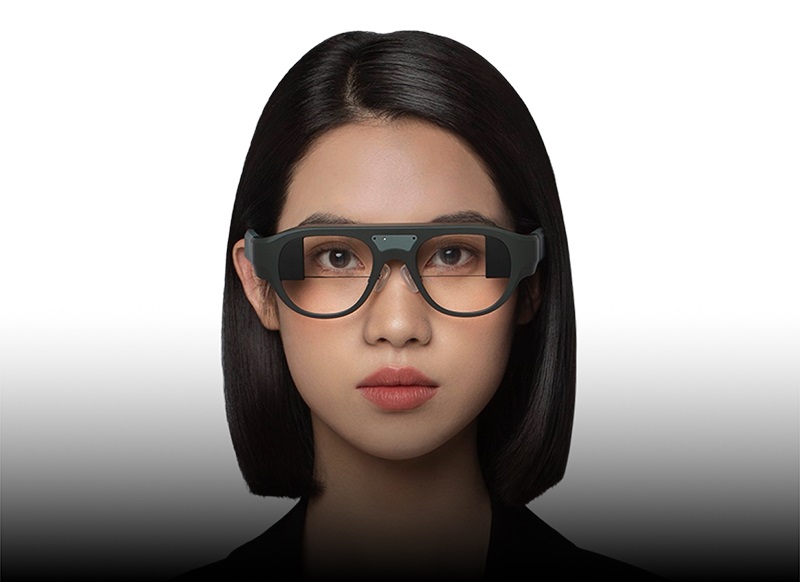
XRAI Glass has announced the launch of its first proprietary augmented reality (AR) smart glasses, the XRAI AR One, designed to deliver real-time subtitles for users in everyday life. The company, known for its AR software solutions, is targeting the global deaf and hard-of-hearing community with this new device, aiming to enhance accessibility and revolutionize how conversations are experienced.
The AR One smart glasses feature an ultra-lightweight and wireless design, which XRAI highlights as a key aspect for user comfort and convenience. The device leverages the latest advancements in artificial intelligence to provide real-time captions in more than 140 languages, displaying them directly in the user's field of vision. This capability is made possible by the use of clear, transparent lenses, allowing users to remain fully engaged with their surroundings while reading subtitles, rather than being isolated from their environment.
Dan Scarfe, CEO and founder of XRAI, emphasized that the AR One was developed in response to consistent user feedback from tens of thousands of people worldwide who have tried previous XRAI Glass solutions. According to Scarfe, users expressed a strong preference for a wire-free experience, transparent lenses, an all-in-one device with a simple activation button, and a super lightweight build. The AR One is positioned as the culmination of these requests, aiming to meet all four design goals in a single package.
XRAI showcased the AR One glasses to consumers for the first time at AWE USA in Long Beach, California. The product is now available to order, with free shipping offered through the company’s website. For professionals in the AR and accessibility sectors, the AR One represents a significant step forward in wearable technology designed for inclusivity, potentially setting a new standard for real-time communication aids in both personal and professional settings.
Source: Auganix
Syntech Debuts New XR Accessory Lineup at AWE USA 2024
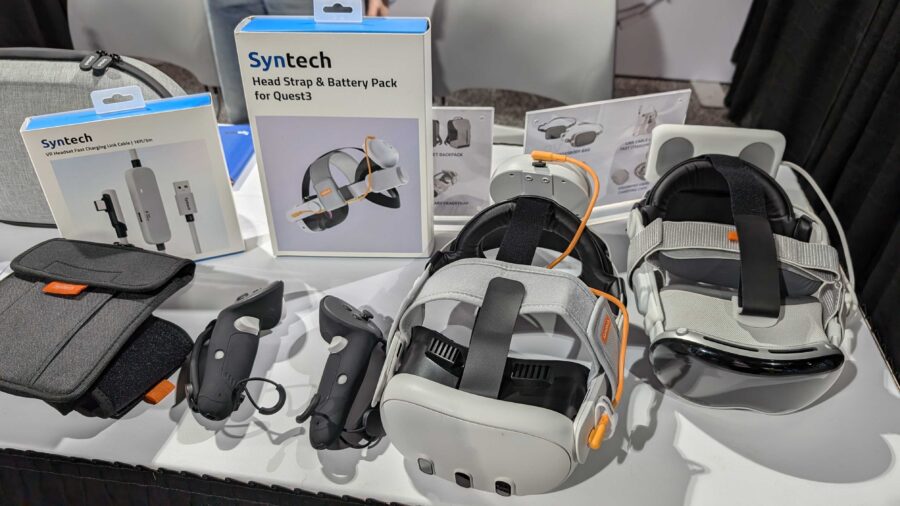
Syntech, a company specializing in digital accessories for the XR market, introduced its latest range of virtual and mixed reality accessories at AWE USA 2024. The event, held this week, marked the public debut of Syntech’s new headstrap products designed for leading XR devices: the ‘Comfy Headstrap’ for Meta Quest 3 and the ‘Auxiliary Headstrap’ for Apple Vision Pro. These additions are tailored to improve user comfort during extended mixed reality gaming and work sessions, addressing a key concern for both consumers and enterprise users in the XR space.
Founded in 2017, Syntech has built a portfolio of accessories supporting devices such as the Meta Quest 3, Pico 4, Steam Deck, and ROG Ally. The company’s offerings include not only headstraps but also controller grip covers, hard carrying cases, link cables, and docking stations. At AWE USA 2024, Syntech showcased its new headstrap designs alongside other accessories, reinforcing its commitment to enhancing the XR experience through thoughtful hardware solutions.
According to Syntech, the Comfy Headstrap for Quest 3 and Auxiliary Headstrap for Vision Pro are engineered to deliver greater comfort for users who spend long periods in mixed reality environments. The company emphasized that these products are part of its ongoing mission to revolutionize digital accessories and improve how users interact with digital content. Syntech announced that the new accessories will be available for purchase on its website in the second half of 2024, giving both consumers and businesses an expanded selection of comfort-focused XR gear.
Armi Huang, Syntech’s CEO and co-founder, expressed enthusiasm about the positive feedback received at AWE USA 2024. Huang highlighted the energizing effect of engaging with the global XR industry in Long Beach and noted that attendee input would influence future product development. Syntech plans to roll out additional accessories for leading virtual and mixed reality devices later in 2024, signaling ongoing innovation in the space. The company’s presence at AWE USA 2024 underscores its dedication to serving both businesses and consumers with solutions that enhance the immersive experience.
Source: Auganix
Varjo Launches Teleport for Easy 3D Reality Capture via iPhone
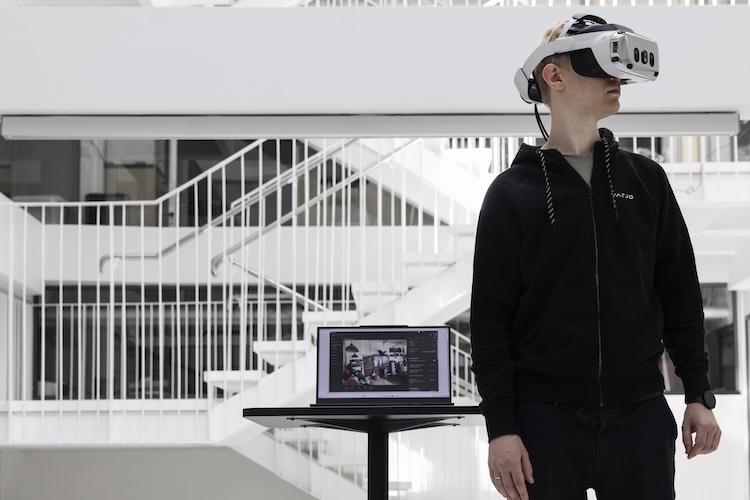
Varjo, a leader in industrial-grade XR solutions, has introduced Teleport, a new service aimed at simplifying the process of creating photorealistic 3D scans of real-world environments. Announced this week, Teleport allows users to capture high-resolution 3D models directly from an iPhone, making it possible to turn any room or outdoor space into a virtual scene with minimal expertise. These digital reconstructions can then be experienced across various platforms, including PCs, VR headsets, and other compatible devices.
Historically, generating 3D content for XR applications required specialized skills in real-time graphics or photogrammetry, as well as significant time and resources to build assets. Varjo’s Teleport addresses these barriers by leveraging advancements in 3D gaussian splatting and machine learning, enabling accurate capture of lighting, shading, textures, and reflections. According to Varjo, this marks the world’s first high-resolution, end-to-end scan-to-VR solution, promising to reduce both the time and cost involved in digitizing real-world spaces.
The potential applications for Teleport span multiple industries. Varjo highlights its usefulness in training, mission planning, and remote assistance, where the ability to create detailed digital twins of real environments can enhance realism and effectiveness. For instance, the Finnish National Opera and Ballet plans to use Teleport alongside its XR Stage modeling tool to evaluate new rental productions. By viewing digital twins of stage sets in their true size and form, the organization expects to improve how it assesses visual fit and appearance, moving beyond reliance on photos and CAD images.
Varjo’s XR hardware and software are already utilized by more than a quarter of Fortune 100 companies in fields such as astronaut and pilot training, automotive production, and medical research. With Teleport, Varjo is expanding its offerings to further support the migration of workflows from the physical to the virtual world. The company has opened a waitlist for those interested in early access and anticipates a general release of the service later in 2024. Teleport was demonstrated for the first time at Augmented World Expo (AWE) USA 2024 in Long Beach, California, from June 18-20.
Source: Auganix
Niantic Debuts Visual Studio for 8th Wall XR and 3D Creation
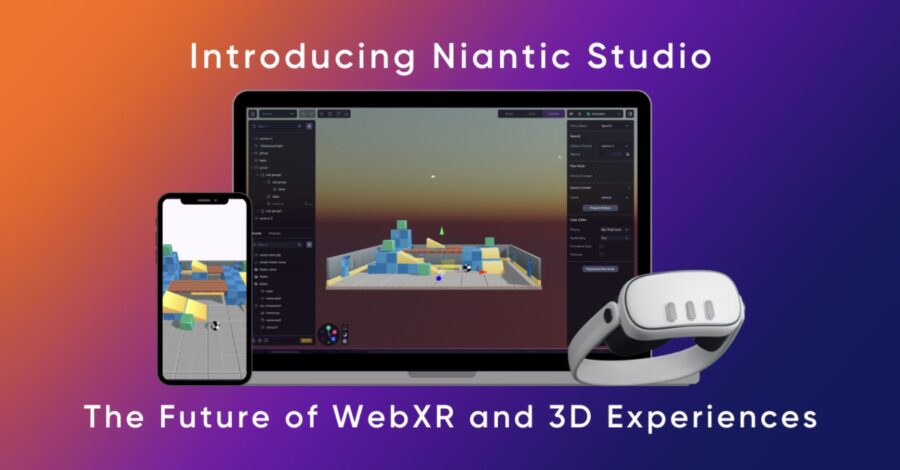
Niantic, the company best known for Pokémon GO and its augmented reality (AR) technologies, has unveiled Niantic Studio, a new visual interface designed for developers working with the Niantic 8th Wall platform. Announced at Augmented World Expo (AWE) 2024 in Long Beach, Niantic Studio aims to transform the way web-based XR and 3D experiences are built, moving away from the traditional code-heavy approach towards a more accessible, real-time visual environment.
Historically, creating immersive 3D and XR content for the web has required significant coding expertise, often with minimal visual feedback during the development process. Niantic Studio, now available in public beta, addresses this challenge by providing a visual editor that makes every aspect of the creation process visible as it happens. This shift not only streamlines development but also opens the door for creators of all skill levels to experiment and build with Niantic 8th Wall, lowering the barrier to entry for newcomers while still offering depth for experienced developers.
The new Studio interface represents a comprehensive overhaul of the 8th Wall development environment. By integrating the speed and flexibility of web technologies with robust tools for 3D and XR creation, Studio allows users to build a wide range of experiences. These can range from simple AR scenes utilizing Face Effects or World Tracking, to more complex web-based 3D games and fully immersive XR environments. Niantic highlights that Studio supports progressive complexity, enabling both designers and developers to scale their projects based on their expertise and creative ambitions.
Niantic Studio is currently available for free to all 8th Wall developers as part of its public beta. Existing users can access Studio by selecting it as their creative tool when starting a new project, while new users can sign up for a free basic 8th Wall account and begin experimenting with sample projects provided by Niantic. This approach not only encourages experimentation but also supports rapid prototyping and iteration, which are essential for innovation in the fast-evolving XR industry.
For professionals working in XR, Niantic Studio’s launch signals a significant step toward democratizing the creation of web-based immersive experiences. By offering a visual, real-time development environment, Niantic is enabling a broader range of creators to participate in and contribute to the spatial computing ecosystem. As the demand for engaging AR and XR content grows, tools like Studio are likely to play a pivotal role in accelerating both the quantity and quality of experiences available on the web.
Source: Auganix
WowMouse Brings Wrist Gesture Control to Magic Leap 2
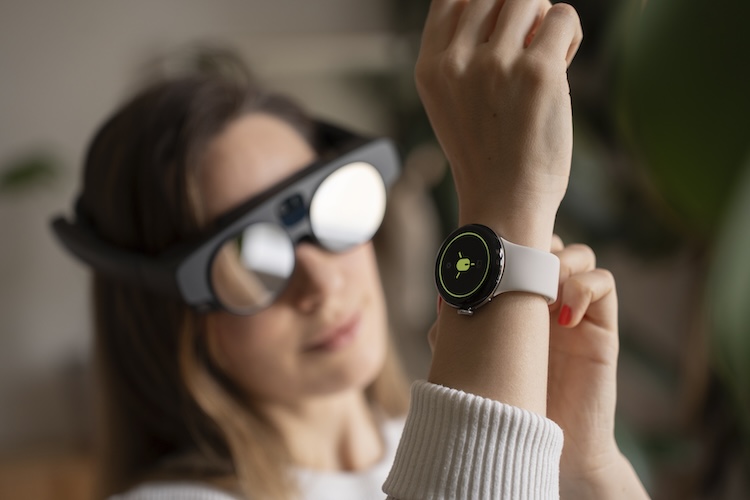
Doublepoint Technologies has introduced a significant update to its WowMouse gesture solution, expanding its capabilities to augmented reality (AR) platforms. Announced at Augmented World Expo (AWE) 2024, this latest development allows Android smartwatches to function as AR gestural input devices, specifically enhancing interactions on the Magic Leap 2 headset. The collaboration between Doublepoint and Magic Leap aims to elevate the user experience by integrating wrist-based micro-gesture controls with spatial computing environments.
According to Doublepoint, the WowMouse app utilizes a proprietary algorithm that transforms smartwatches into wrist-based mice, enabling users to perform micro-gestures for intuitive control. Since its initial launch at CES 2024, the app has seen over 55,000 downloads, highlighting a strong demand for wearable-driven interaction methods. The new AR feature, developed with input from Magic Leap, introduces "WowMouse AR Mode." This mode allows users to pair a Magic Leap 2 headset with an Android smartwatch via Bluetooth, unlocking seamless AR environment control through gaze and pinch gestures.
For professionals in the AR and spatial computing sectors, this integration represents a notable step forward in human-computer interaction. The ability to use subtle wrist movements to interact with digital environments could reduce reliance on traditional controllers, offering more flexibility and adaptability across diverse use cases. This is particularly relevant for enterprise and field applications, where hands-free or minimally intrusive input methods are highly valued. The collaboration also underscores the growing importance of cross-device interoperability in the XR ecosystem, as companies seek to create more natural and accessible interfaces for end users.
Attendees at AWE 2024, held at the Long Beach Convention Center from June 18-20, have the opportunity to experience WowMouse AR firsthand through live demonstrations. The app is available for download on the Google Play Store, and further details about Doublepoint’s gesture technology can be found on the company’s website. As the demand for intuitive wearable interactions continues to rise, solutions like WowMouse are likely to play a key role in shaping the next generation of spatial computing experiences.
Source: Auganix
Spotted something wrong in this issue? Report it.