Meta Quest Users Flock to Free-to-Play VR Experiences
This issue explores Meta Quest user habits, new VR hardware launches, Vision Pro exclusives, enterprise XR, and standout games like All on Board.
Meta Quest Users Spend 70% of Time in Free-to-Play VR Apps
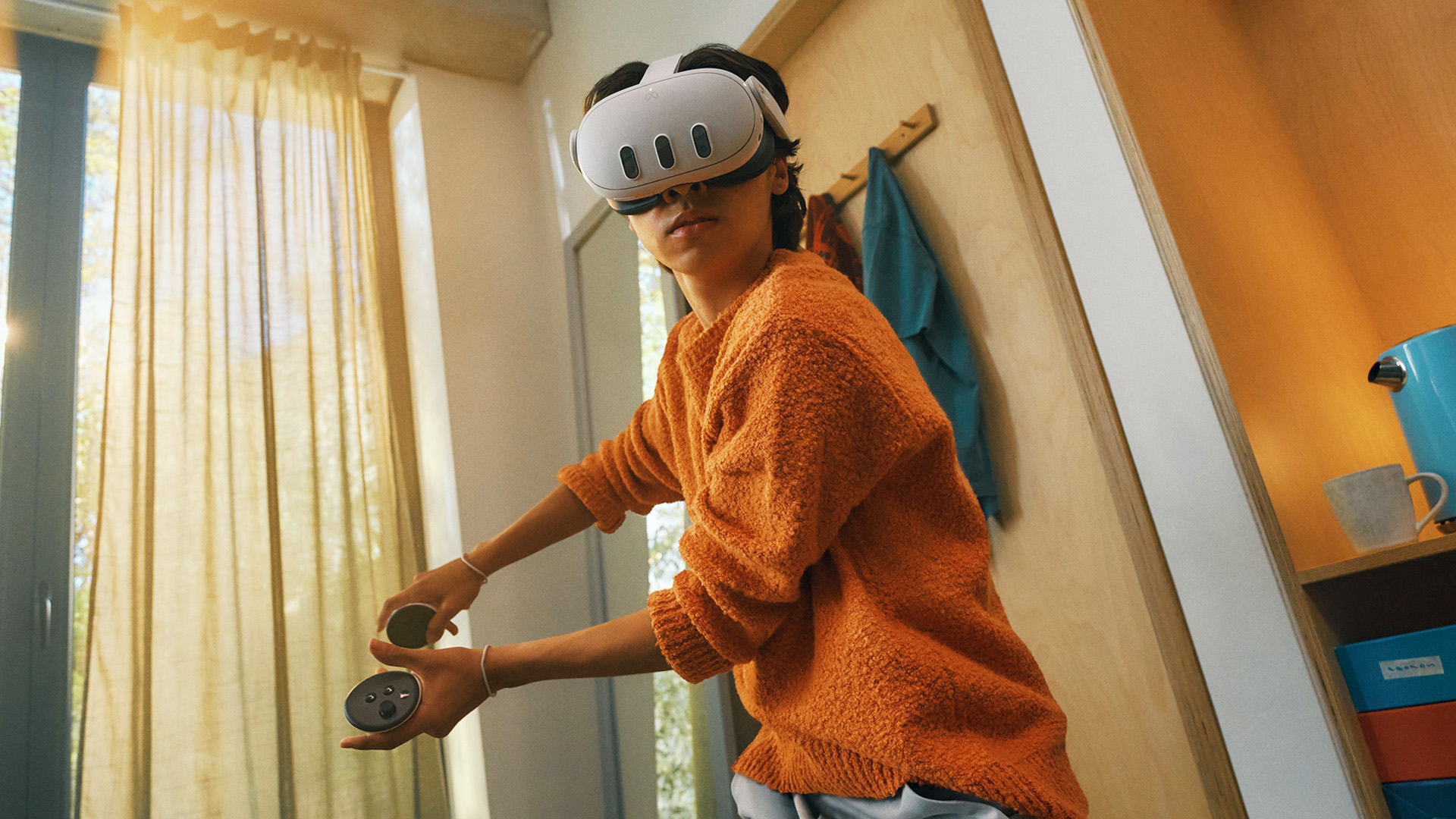
Meta has revealed that free-to-play (F2P) apps now account for over 70% of the time spent on its Meta Quest platform, marking a significant shift in user engagement and monetization trends within the VR industry. This data was shared via a post on X by Meta Horizon Developers, which also promoted a new developer-focused blog post offering strategies for monetizing in-app purchases (IAPs) on Horizon. The company highlighted the growing importance of F2P experiences, particularly as immersive titles in AR, VR, MR, and XR continue to attract users into interactive 3D environments.
While premium game purchases still represent the largest share of overall spending on the platform, Meta noted that in-app purchases have become the fastest-growing revenue stream on Horizon. Over the past two years, IAPs have seen substantial growth, especially among immersive content. This trend is evident in the platform's charts, where many of the most played experiences and top-selling games by revenue are now free-to-play apps. Notably, Meta's own Horizon Worlds, a free-to-play metaverse platform, ranks among the top ten most-used Quest apps, though it is not listed in the public charts.
The rise of F2P titles comes at a time when the VR gaming industry is experiencing challenges, including lower-than-expected premium app sales, layoffs, and studio closures. Meta acknowledged these industry upheavals and emphasized that the VR ecosystem is evolving to attract new audiences. In response, the company is urging developers to focus more on the F2P model, leveraging in-app purchases as a primary monetization strategy. Supporting this shift, Meta reported that consumer spending on the platform increased by 12% over the previous year, with the growth driven largely by a surge in IAPs.
For VR industry professionals, these insights underscore a pivotal change in consumer behavior and platform economics. Developers considering new projects or business models may find greater success by embracing F2P mechanics and designing experiences that encourage ongoing engagement and microtransactions. As the VR market continues to mature, adapting to these trends will be crucial for studios aiming to remain competitive and sustainable in a rapidly changing landscape.
Source: MIXED Reality News
Valve Reportedly Plans Standalone Deckard VR Headset for 2025
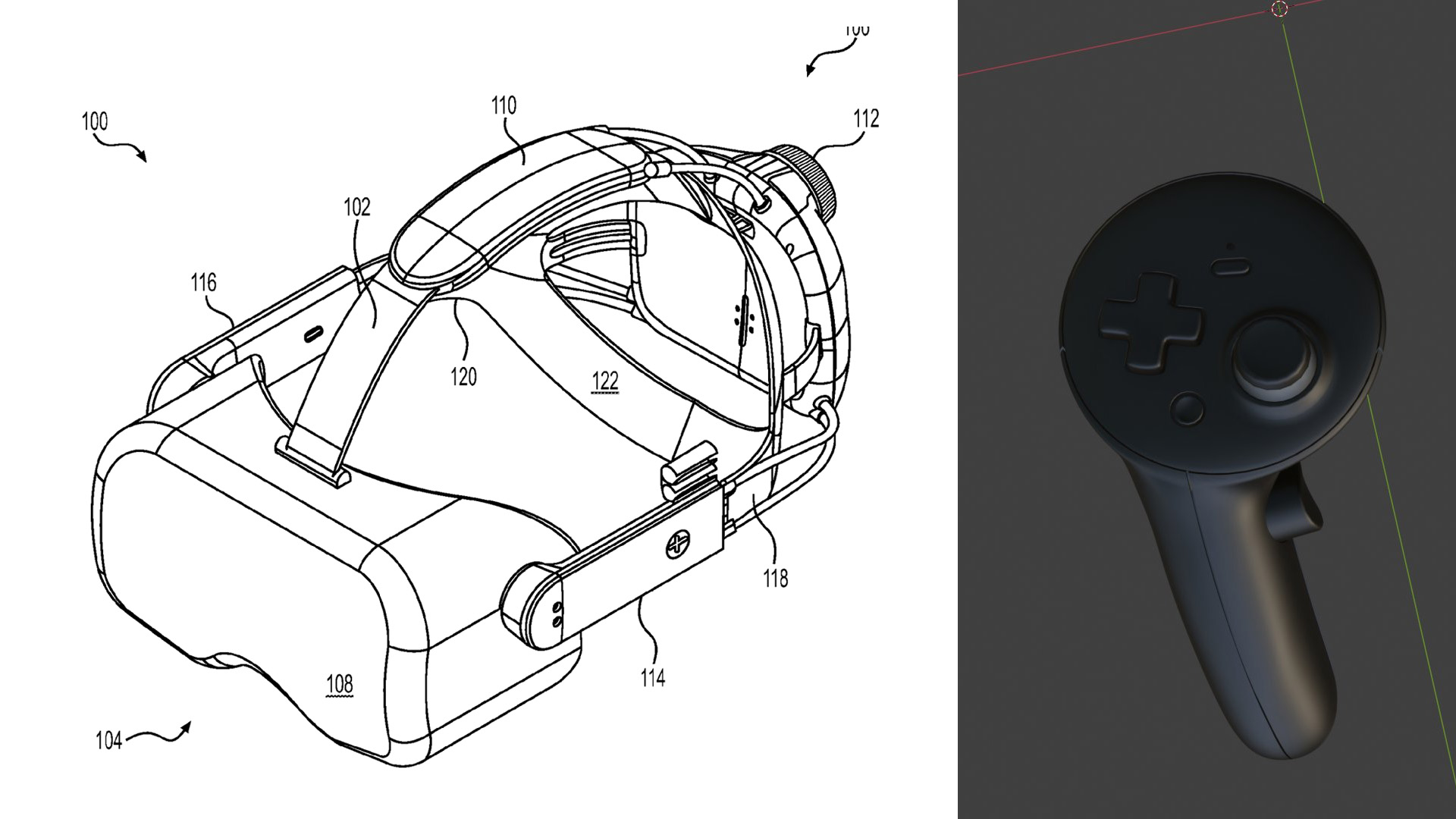
Valve is reportedly preparing to launch a new high-end standalone VR headset, codenamed Deckard, by the end of 2025. According to information shared by Gabe Follower, a well-known Youtuber, data miner, and Valve enthusiast, several sources have confirmed Valve’s plans for this next-generation device. The headset is expected to be wireless and operate independently, without the need for a PC, marking a significant shift from Valve’s previous hardware approach.
The full bundle, which likely includes the headset and two VR controllers, is said to target a price point of $1,200. Gabe Follower notes that this price would also cover some in-house games or demos developed by Valve, which are reportedly already completed. Despite the premium cost, the device is expected to be sold at a loss, as Valve aims to deliver what it describes as the "best possible experience without cutting any costs." This approach suggests that Valve is prioritizing quality and performance over immediate profitability, a notable move in the increasingly competitive VR market.
Technical details from the leak indicate that Deckard will run on a version of SteamOS adapted for virtual reality, similar to the operating system used in the Steam Deck. One of the standout features will be the ability to play Steam Deck titles on a large virtual screen, all without requiring a separate PC. This could broaden the appeal of the device to users who want a flexible, all-in-one VR solution. However, there is no information yet on how the headset will interact with PCs for traditional VR gaming or how it will handle rendering for more demanding VR titles.
The rumor mill around Valve’s next VR headset has been active for years, but recent developments have added credibility. In November, VR enthusiast Brad Lynch and his team uncovered references to new VR controllers codenamed Roy, which are reportedly being prepared for mass production. The names Deckard and Roy are nods to characters from the film Blade Runner, suggesting a thematic connection between the headset and its controllers. Valve’s last headset, the Index, was released in 2019 and required a wired connection to a PC with external tracking units. The move to a standalone, wireless device represents a major evolution for Valve’s VR ambitions and could set a new standard for high-end consumer headsets.
If these reports are accurate, Valve’s Deckard could reshape expectations for standalone VR performance, especially if it delivers on the promise of uncompromised quality at a premium price. For industry professionals, this signals a push toward more self-contained, powerful VR hardware that could influence both hardware development and content creation strategies in the coming years.
Source: MIXED
Apple Vision Pro to Debut Exclusive Bono Immersive Documentary

Apple has announced its first feature-length documentary designed specifically for its Apple Immersive Video format, marking a significant step in the evolution of spatial content for the Apple Vision Pro. Titled "Bono: Stories Of Surrender," the documentary will be released exclusively for the Apple Vision Pro headset and is scheduled to premiere on May 30, 2025. The film is based on U2 frontman Bono’s acclaimed one-man stage show as well as his best-selling autobiography, promising a deeply personal and artistic exploration of the musician’s life and career.
The documentary is directed by Andrew Dominik, known for his work on "The Assassination of Jesse James," bringing cinematic pedigree to the immersive project. What sets "Bono: Stories Of Surrender" apart is its use of the Apple Immersive Video format, which delivers 180-degree video at 8K resolution per eye, running at 90 frames per second. The experience is further enhanced with stereoscopic 3D, HDR, and surround sound, aiming to create an environment that fully envelops the viewer and leverages the Vision Pro’s advanced hardware capabilities.
Apple Immersive Video has previously been used for shorter content, such as the short film "Submerged" and a music video by The Weeknd, but "Bono: Stories Of Surrender" represents the platform’s most ambitious effort yet in long-form storytelling. This move signals Apple’s commitment to developing exclusive, high-quality immersive content that can only be experienced on its spatial computing hardware. For developers and content creators in the VR and mixed reality industry, this sets a new benchmark for what is possible with immersive video, encouraging further innovation in both technical and creative aspects.
The exclusive release of this documentary on Apple Vision Pro underlines Apple’s strategy to differentiate its platform through unique content offerings. As the immersive media landscape continues to evolve, such high-profile projects could drive adoption among consumers and inspire other studios to invest in spatial storytelling. The partnership with a renowned director and a global music icon also highlights the potential for collaborations that bridge traditional entertainment and immersive technology, which could have far-reaching implications for the industry’s growth and creative direction.
Source: MIXED Reality News
DPVR Launches P2 Vision VR Headset with Advanced Eye-Tracking
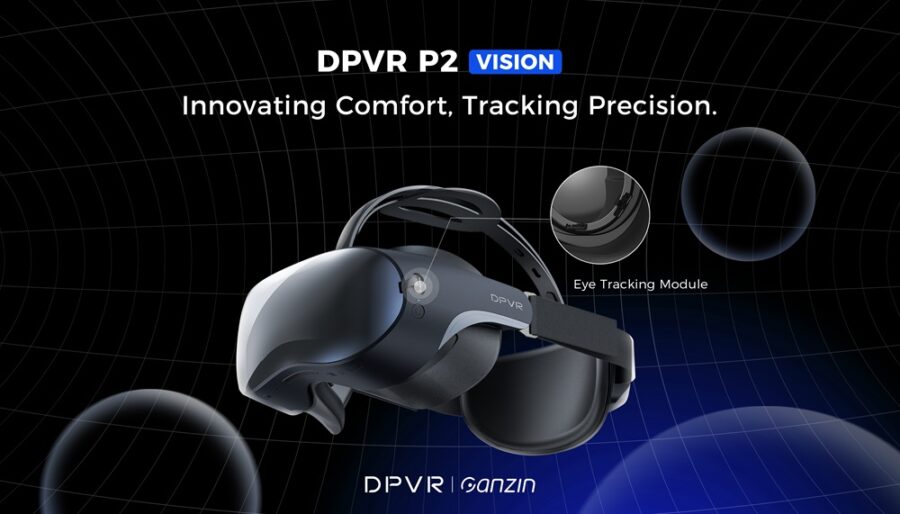
DPVR, a company known for its virtual and mixed reality hardware and software, has announced the official launch of its latest device, the DPVR P2 Vision. The new headset, which the company describes as setting new standards in precision, comfort, and versatility, was formally introduced on February 7, 2025. Prior to its release, the P2 Vision made its public debut at CES 2025, where DPVR reports it received positive feedback for its advanced features and innovative design.
The standout feature of the P2 Vision is its integration of Aurora eye-tracking technology from Ganzin. According to DPVR, this technology enables the headset to achieve an accuracy error of less than 1.5°, allowing for highly precise tracking and seamless interaction within virtual environments. This level of accuracy is particularly noteworthy for industry professionals who require reliable tracking for applications in research, training, and simulation. The company highlights that the P2 Vision’s ultra-lightweight build and user-centric design reflect its ongoing commitment to pushing the boundaries of VR technology.
DPVR also emphasizes the P2 Vision’s simplified design and customized sensor placement, positioning it as an attractive option for both VR/AR professionals and enthusiasts. Unlike some competing solutions that require more complex setups, the P2 Vision aims to deliver an elegant yet powerful approach to immersive experiences. This focus on usability and streamlined setup could make the headset especially appealing for organizations seeking to deploy VR at scale or in environments where ease of use is critical.
The launch of the P2 Vision continues DPVR’s trend of expanding its VR product portfolio with innovative solutions. The company has stated its intent to enhance productivity, entertainment, and research through immersive experiences, and the P2 Vision appears to be a strategic step in that direction. For those working in the VR industry, the introduction of advanced eye-tracking in a lightweight, user-friendly headset could open new opportunities for applications that demand precision and comfort, from healthcare and education to enterprise training and simulation.
Source: Auganix
All on Board sets a new standard for VR board gaming on Quest
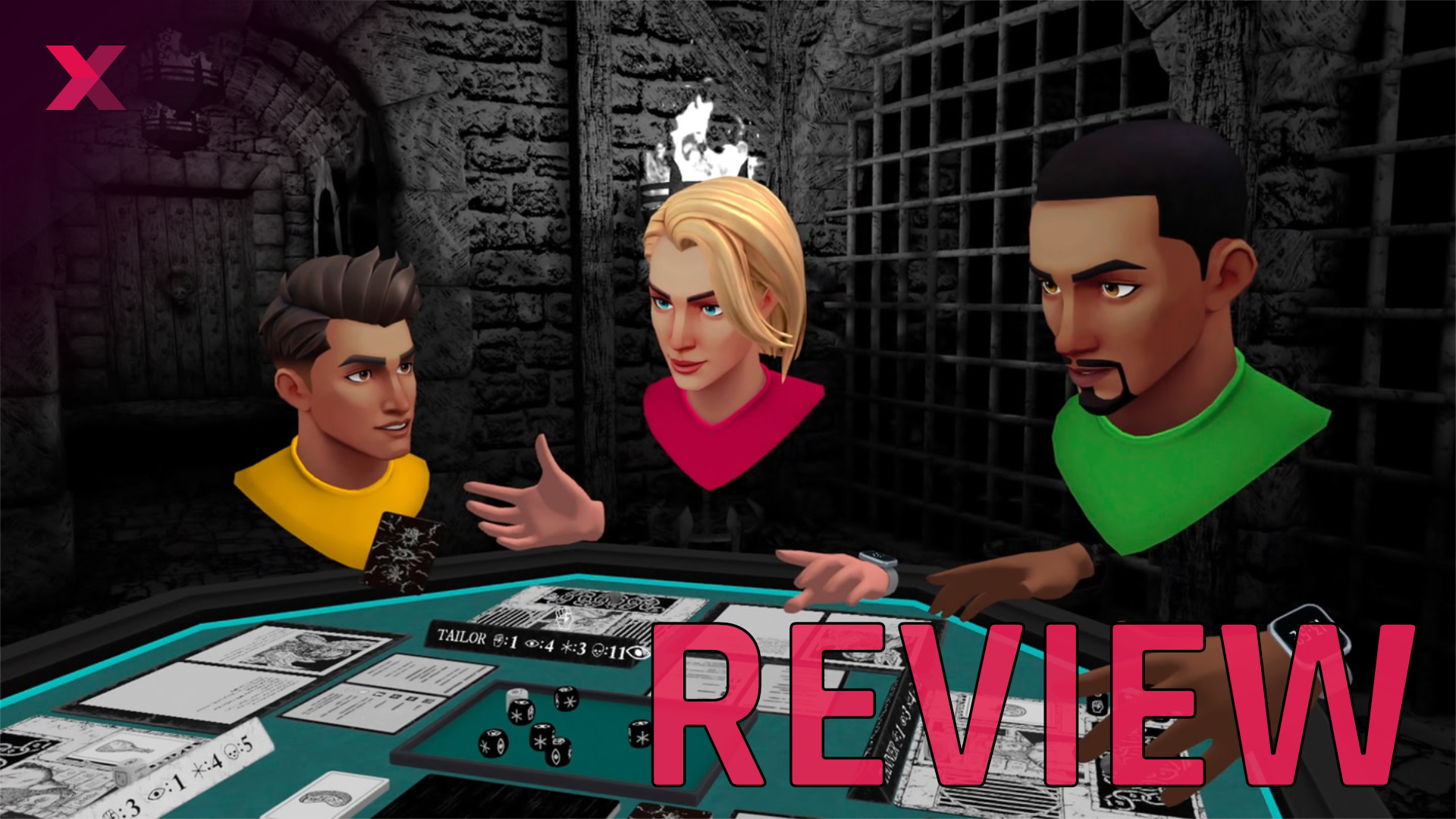
Spanish developer The Game Kitchen, known for its Blasphemous series, has entered the virtual reality space with All on Board, a VR board game simulator now available for Meta Quest and PC-VR. This marks the studio's first VR project, and it demonstrates a clear passion for authentic tabletop gaming. The game is designed by board game enthusiasts for fellow fans, with a focus on realism and attention to detail that is evident from the moment you start playing.
All on Board launches with an impressive selection of both modern and classic board games, including Terraforming Mars, The Hunger, The Binding of Isaac, Istanbul, Escape the Dark Castle, Rallyman: GT, and staples like Go, Ludo, Chess, and Checkers. The Game Kitchen has promised to expand this lineup with additional titles as paid DLC in the future. Notably, only the session host needs to purchase DLC for everyone in the group to access the new content, making it more accessible for groups of friends.
The simulator emphasizes an authentic tabletop experience: players manipulate pieces with VR controllers, roll dice by hand, and are responsible for enforcing the rules themselves, just as they would be in a physical setting. Each game includes a YouTube-powered tutorial video that can be positioned anywhere in your VR space, although these are only visible to individual users, which can be less convenient for groups. The absence of written instructions or guided tutorial rounds is noted as a drawback, though the "Smart Glance" context menu provides useful object-specific information during play.
All on Board's interface is thoughtfully designed, with intuitive controls for picking up pieces and rolling dice, and a wrist-mounted menu system for managing cards and session settings. Each game features its own immersive VR environment, enhancing the thematic experience—chess players, for example, find themselves in an elegant apartment with ocean views, while The Binding of Isaac unfolds in a gloomy cellar. Meta Quest 3 users can even use mixed reality mode to place the virtual board on their actual table, complete with adjustable board height.
Despite its strengths, the game is not without issues. Multiplayer testing revealed occasional bugs, such as unresponsive menus, incorrect tutorial videos, and disappearing interface elements, sometimes requiring a restart. However, given The Game Kitchen's reputation, these problems are expected to be addressed promptly. Cross-platform support between Meta Quest and SteamVR ensures a broad player base, and the ability to save game states removes the hassle of unfinished sessions. All on Board stands out for its commitment to recreating the social and tactile aspects of board gaming in VR, while offering digital conveniences and a growing library of games.
Source: MIXED Reality News
PlayStation VR 2 Gets Permanent Price Cut to $400 in March 2025
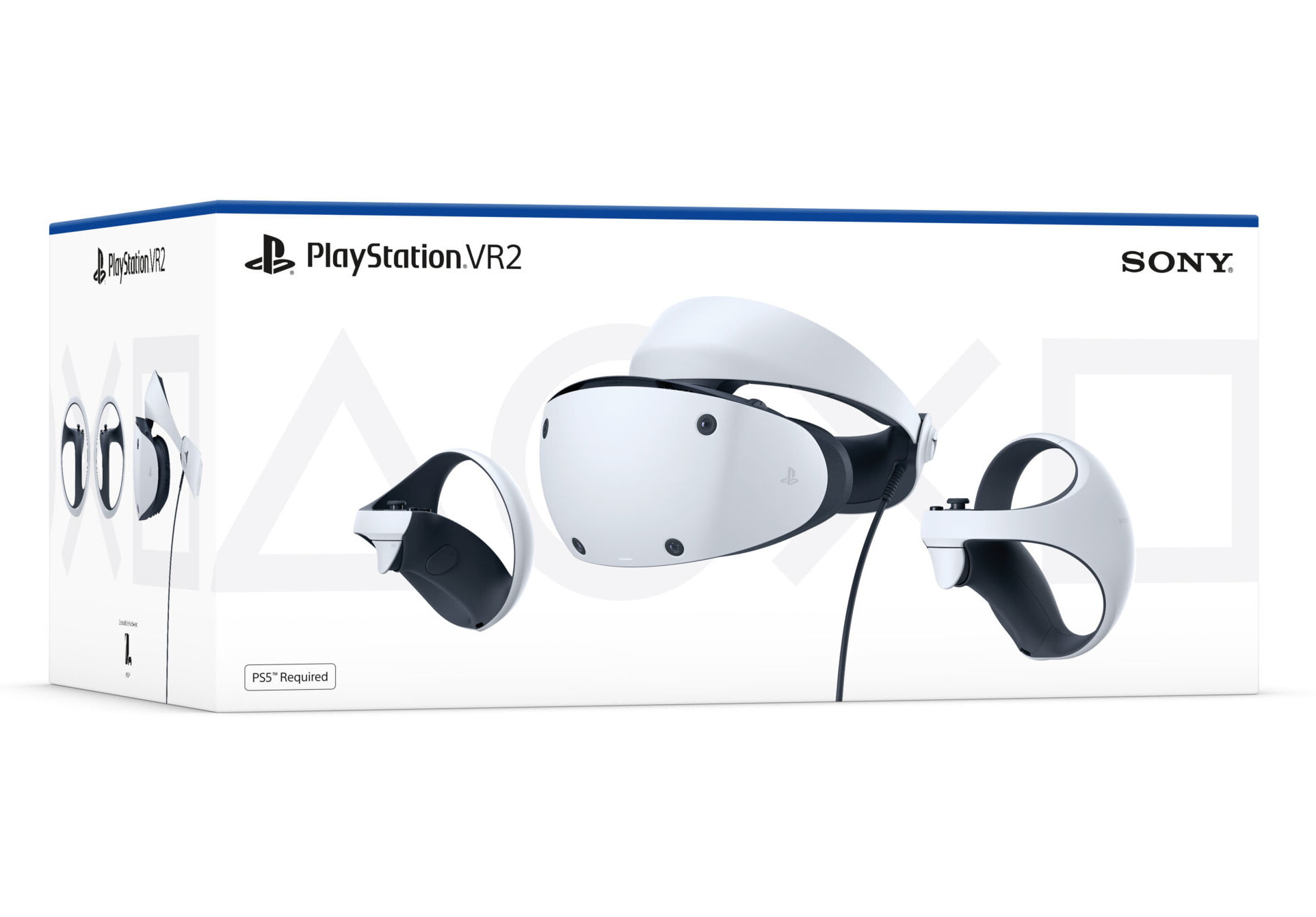
Sony has announced a permanent price reduction for the PlayStation VR 2, lowering the cost of its virtual reality headset to $400 starting March 1, 2025. This new pricing will apply whether customers purchase the headset alone or bundled with the exclusive VR title Horizon Call of the Mountain, making the bundle an especially attractive offer for those looking to dive into Sony's VR ecosystem.
Previously, the PlayStation VR 2 retailed for $550, or $600 when packaged with Horizon Call of the Mountain. During the recent holiday season, Sony temporarily dropped the price to $350 as part of a promotional campaign, but the upcoming permanent reduction sets the headset at a price point that is more competitive within the current VR market. The timing of this price change is notable, coming just days after the system's second anniversary.
This move positions the PlayStation VR 2 between Meta's offerings: the Meta Quest 3S, which is priced at $300 for the 128GB version and $400 for the 256GB version, and the Meta Quest 3, which comes in at $500. For industry professionals and consumers alike, this adjustment could influence purchasing decisions, particularly for those weighing the benefits of Sony's hardware against Meta's standalone VR headsets. Sony's device continues to receive a steady stream of high-quality titles, including Metro Awakening, Skydance's Behemoth, Alien: Rogue Incursion, and Arken Age. Notably, the first three games are reported to look significantly better on PlayStation VR 2, while Arken Age is not available on Meta Quest platforms.
Looking ahead, PlayStation VR 2's upcoming game lineup includes anticipated releases such as Aces of Thunder, Dreams of Another, Hitman World of Assassination, and The Midnight Walk. Sony has also introduced hand tracking functionality for the headset, though support is currently limited to a single game. For developers and VR industry insiders, the price cut and ongoing software support signal Sony's commitment to remaining competitive in the consumer VR space, potentially expanding the headset's user base and increasing demand for new content.
Source: MIXED
Anduril Takes Over U.S. Army’s IVAS AR Program from Microsoft

Anduril Industries, the defense technology company founded by Palmer Luckey, is set to lead the next phase of the U.S. Army’s Integrated Visual Augmentation System (IVAS) program, taking over key responsibilities from Microsoft. This transition, announced in February 2025 and pending Department of Defense approval, will see Anduril managing production, hardware and software development, and delivery timelines for the IVAS project. Microsoft Azure will remain central to the program, becoming Anduril’s preferred hyperscale cloud platform for IVAS and its artificial intelligence (AI) capabilities.
The IVAS system, which builds on Microsoft’s HoloLens mixed reality headset, is designed to enhance soldiers’ situational awareness through a combination of augmented reality (AR) and virtual reality (VR) features. The headset integrates advanced sensors, AI-driven insights, and a heads-up display to support decision-making and operational effectiveness on the battlefield. Since its inception, IVAS has undergone multiple iterations, with Microsoft addressing challenges such as user discomfort—reports of nausea and headaches led to design changes, including a more compact headset, improved sensor performance, and better weight distribution for increased comfort based on extensive soldier feedback.
With Anduril now overseeing the program, the company’s expertise in military-focused innovation is expected to help adapt IVAS to evolving operational requirements and achieve production at greater scale and lower unit cost. Palmer Luckey emphasized the partnership’s significance, describing IVAS as the future of mission command and highlighting the goal of creating a military ecosystem where technology extends human capability. Robin Seiler, Corporate Vice President of Mixed Reality at Microsoft, expressed pride in the program’s progress and optimism about the collaboration with Anduril to deliver a game-changing capability for U.S. soldiers.
IVAS incorporates real-time 3D mapping, vehicle-mounted sensors, and low-light and thermal imaging, alongside the embedded Squad Immersive Virtual Trainer (SiVT) for mixed reality mission scenario training. These features depend on efficient data processing and AI-driven insights, with Microsoft Azure now established as the primary cloud platform for related workloads. The two companies have previously collaborated to integrate Anduril’s Lattice platform into IVAS, enhancing rapid AI-enabled situational awareness for improved soldier safety and operational effectiveness. This new agreement marks a significant shift in program responsibilities, aiming to ensure continuity and further development of the multi-billion dollar IVAS project for the U.S. Army.
Source: Auganix.org
Meta for Education Launches Globally with Quest 3 Pricing
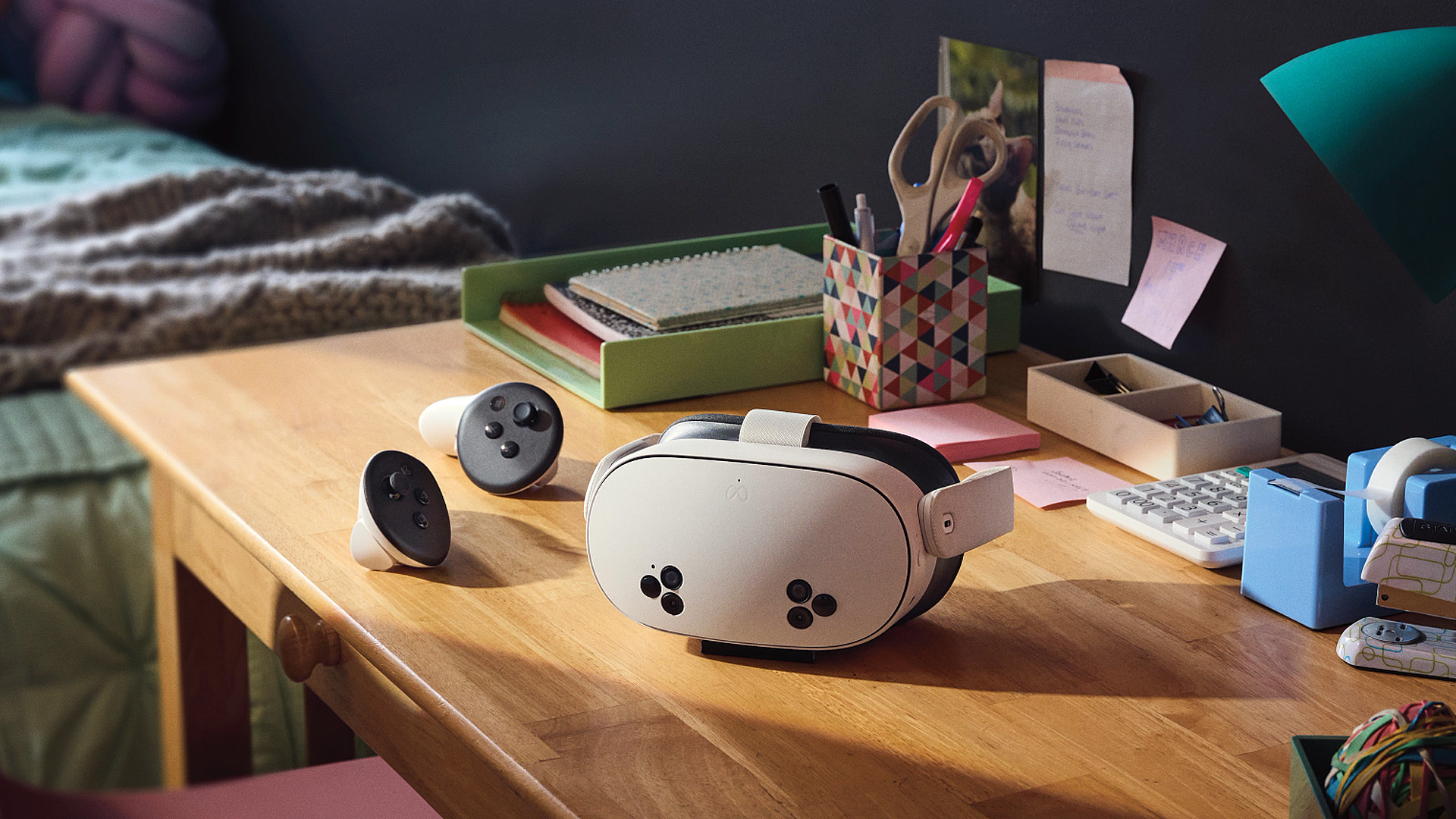
Meta has officially launched Meta for Education, expanding its reach beyond the beta phase and making the platform widely available to educational institutions in all 21 countries where Meta Horizon Managed Solutions is supported. The offering is designed to provide teachers, trainers, and administrators with access to a suite of education-focused content, as well as management tools for deploying and maintaining multiple Quest devices in learning environments. This move aims to position Meta Quest headsets as central tools for immersive learning experiences in schools, colleges, and universities.
Institutions interested in Meta for Education can now purchase Quest 3 and Quest 3S devices bundled with a three-year limited warranty and a two-year subscription to Meta Horizon Managed Solutions. This subscription, formerly known as Quest for Business, includes features such as Shared Mode and compatibility with third-party Mobile Device Management (MDM) integrations, simplifying the management of fleets of headsets. For those seeking a longer-term solution, Meta also offers a lifetime device access option for Meta Horizon Managed Solutions at an additional cost per device. This lifetime subscription is non-transferable and lasts for the useful life of the device. Pricing for these bundles is not fixed; instead, institutions are encouraged to contact Meta's sales department for quotes, with discounts available for bulk orders. Final pricing is provided directly by Meta's commercial sales representatives.
Meta for Education is modeled after the company's B2B solution, Meta for Business, but is tailored to the needs of educators and administrators. The platform is intended for institutions teaching students aged 13 and above and is currently being piloted in a beta program involving more than a dozen colleges and universities in the US and UK. Participants in the beta are encouraged to provide feedback to help refine the offering before its broader rollout. Meta has indicated plans to expand the education product further in the coming months, building on its previously announced $150 million investment in educational content development.
The educational content available through Meta for Education spans a variety of subjects, including science, medicine, history, and language arts. The platform leverages metaverse technologies to enable immersive experiences, such as virtual field trips and hands-on training scenarios that would be difficult or impossible to replicate in the physical world. By streamlining device management and offering curated content, Meta aims to make it easier for educators to integrate VR into their curricula, enhancing student engagement and learning outcomes.
Source: MIXED
XRHealth Acquires RealizedCare, Expands AI Therapeutic XR

XRHealth has announced the acquisition of RealizedCare, a digital therapeutics company specializing in immersive solutions for chronic pain and mental health, as part of its strategy to expand its AI-driven therapeutic XR platform. Outcome Capital acted as the strategic and financial advisor for the deal, which further strengthens XRHealth’s position in the digital therapeutics sector.
RealizedCare’s platform delivers evidence-based cognitive behavioral therapy (CBT) and biopsychosocial protocols, developed in partnership with institutions such as Oxford University, Massachusetts General Hospital, Sumitomo Pharma, and Confluent Health. A key feature of RealizedCare’s offering is its AI-powered triage tool, which assesses patient needs, directs them to suitable digital interventions, and escalates cases to clinicians when necessary. By integrating these capabilities, XRHealth aims to enhance its own patient care services, particularly for those managing chronic pain and behavioral health conditions.
The acquisition marks the latest in a series of strategic moves by XRHealth to consolidate its leadership in the therapeutic XR space. In November 2024, XRHealth acquired NeuroReality, a company focused on therapeutic and rehabilitative XR gameplay. Prior to that, in 2023, it acquired Amelia Virtual Care, a provider of virtual reality software for mental health professionals. With the addition of RealizedCare, XRHealth claims to have become the largest AI-driven therapeutic XR platform worldwide.
Leadership changes accompany the acquisition, with RealizedCare’s Founder and CEO, Aaron Gani, taking on the role of General Manager of XRHealth US. Gani also serves as Chairman of the Board of Directors at the Digital Therapeutics Alliance. Both Gani and XRHealth CEO Eran Orr emphasized the transformative potential of integrating RealizedCare’s triage tool and therapeutic protocols with XRHealth’s mixed reality and AI-driven platform. They highlighted the goal of expanding access to high-quality, value-based care, empowering clinicians, and reshaping patient engagement with therapy.
According to XRHealth, its platform has already been used by over 2,000 clinicians to treat more than 50,000 patients, with over 1 million XR therapy sessions completed globally. The integration of RealizedCare’s technology is expected to further scale these numbers and broaden the platform’s impact in the digital health landscape. For industry professionals, this move signals continued consolidation and innovation in the therapeutic XR sector, with a focus on evidence-based, AI-enhanced care delivery.
Source: Auganix
Android XR to Offer Camera Access Mirroring Smartphone Permissions

Google has confirmed that its upcoming Android XR operating system will allow developers to access passthrough camera streams in a manner similar to how camera access works on Android smartphones. This move comes after considerable debate within the XR community regarding the balance between enabling powerful mixed reality (MR) applications and protecting user privacy. The announcement follows direct communication with Google, clarifying that Android XR will let developers use familiar Android classes, such as CameraX, to access camera streams on headsets and glasses, provided the user grants permission.
Passthrough camera access is a key feature for MR applications, as it enables real-time analysis of a user's environment using AI and computer vision techniques. Developers have long advocated for this capability, arguing that true context-aware mixed reality experiences require direct access to camera frames. Historically, early XR devices like the Vive Focus allowed unrestricted camera access, enabling a range of experimental applications, from marker tracking to sound-reactive visuals. However, as privacy concerns mounted, major XR hardware vendors—including Meta, Pico, HTC, and Apple—restricted camera access, making it unavailable to developers in most cases.
Recent pressure from the XR developer community has led to a shift in this stance, with Meta promising a "Passthrough API" and now Google confirming a comparable approach for Android XR. According to a Google spokesperson, developers will be able to use standard Android camera management classes to access the front camera stream, which captures the world in front of the user. For the rear camera, Android XR will provide a reconstructed avatar, similar to Apple's implementation on Vision Pro, maintaining consistency with how Android handles camera access on phones: the "rear camera" shows the external environment, while the "selfie camera" represents the user's face, albeit as an avatar in this case.
This approach aims to ensure broad compatibility for Android apps running on XR devices, including those that require camera access. For Unity developers, the expectation is that classes like WebcamTexture will facilitate camera frame access, with the option to create native wrappers if needed. However, access to raw streams from non-standard cameras will not be available at launch, though there is hope this could change for enterprise users in the future. It's important to note that Android XR remains in preview, and these features could be adjusted before the official release.
With both Google and Meta moving towards more open camera access, the industry is poised for a wave of new MR applications in 2025, potentially prompting other XR platform providers to follow suit. This development marks a significant step forward for developers seeking to create richer, more context-aware experiences, while also highlighting the ongoing need to address privacy concerns through clear user permissions and transparency.
Source: skarredghost.com
Global XR Market Size Projections for 2023-2028
Recent coverage from Statista and Grand View Research highlights projections for the global XR (extended reality) market size from 2023 to 2028. These reports provide an overview of anticipated trends and growth within the industry over the next several years.
Source: Statista, Grand View Research.
FSU to Launch AI Tool for Child Welfare Education
Florida State University's College of Social Work is set to introduce an AI-powered tool aimed at enhancing immersive learning for child welfare education. This initiative seeks to leverage artificial intelligence to provide more effective and engaging training experiences for students preparing to work in child welfare.
The new tool is designed to support the development of critical skills needed in the field, using advanced technology to simulate real-world scenarios. By integrating AI, FSU aims to improve the quality and impact of its educational offerings in social work, particularly in areas related to child welfare.
This move reflects a broader trend in higher education, where immersive and technology-driven learning methods are increasingly being adopted to better prepare students for complex professional environments.
Source: Florida State University News.
How Virtual Reality Is Being Used in Real-World Settings
Virtual reality (VR) is increasingly finding applications in real-world environments. Organizations and educational institutions are exploring how immersive technology can enhance learning, training, and professional development. As VR becomes more accessible, its practical uses are expanding across various sectors.
These developments suggest that VR is moving beyond entertainment and gaming, offering new tools for industries seeking innovative solutions. As adoption grows, professionals in the field will need to stay informed about emerging use cases and best practices.
Source: Coursera, Queens University of Charlotte
Kendrick Lamar's Drake Diss Hits Beat Saber as Surprise DLC
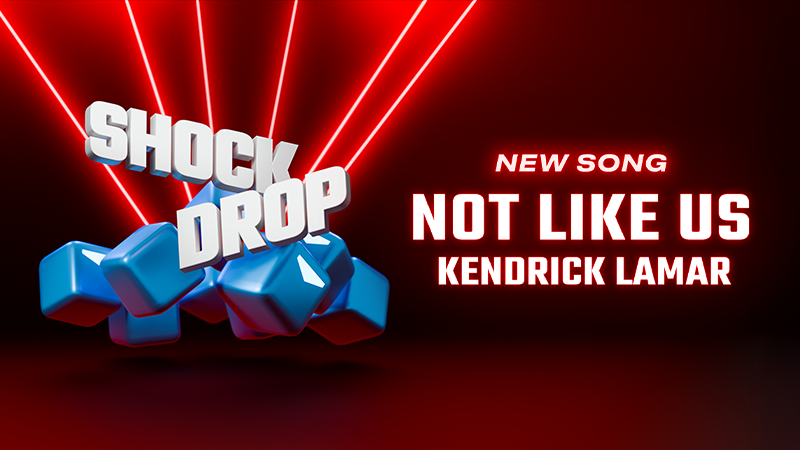
Beat Saber has made headlines with the surprise addition of Kendrick Lamar’s high-profile diss track, "Not Like Us," now available as official downloadable content. This release is part of the game’s ongoing "Shock Drop" series, which brings unexpected new tracks to players. Following closely on the heels of Eminem’s "Houdini," "Not Like Us" can now be purchased for $2 across all major VR platforms, including Meta Quest, Steam, and PSVR 2.
Originally released in May 2023 during Lamar’s much-publicized feud with Drake, "Not Like Us" quickly became a cultural phenomenon. The track went on to win five Grammy Awards and was featured in Kendrick Lamar’s Super Bowl halftime show performance, further cementing its place in music history. Its arrival in Beat Saber marks a notable crossover between contemporary hip-hop and the VR rhythm gaming scene, giving fans and players alike the chance to experience the song in a new, interactive format.
This is not the first time Kendrick Lamar’s music has found a home in VR rhythm games. Synth Riders is currently running a "Kendrick Lamar Experience" in celebration of Super Bowl LIX, featuring the artist’s 2017 hit "Humble" and its music video. This experience debuted exclusively on Apple Vision Pro, with plans to expand to additional platforms, highlighting the growing demand for high-profile music content in immersive environments.
The addition of "Not Like Us" comes shortly after Beat Saber’s largest paid DLC to date: the Metallica Music Pack, launched in December. That collection features 17 songs from the legendary band, offering over 100 minutes of gameplay and introducing the most challenging levels yet. The Metallica pack also brought a new gameplay mechanic that dynamically adjusts cube speeds based on song intensity, along with a custom environment featuring elaborate fire effects, lighting, and moving structures. These recent updates underscore Beat Saber’s commitment to evolving its content library and gameplay features, keeping the experience fresh for industry professionals and players alike.
With the integration of high-profile tracks and innovative gameplay updates, Beat Saber continues to set the standard for music-driven VR experiences. The inclusion of Kendrick Lamar’s "Not Like Us" not only reflects the game’s responsiveness to pop culture moments but also its role as a platform for both music discovery and interactive entertainment.
Source: MIXED.
Spotted something wrong in this issue? Report it.