Meta Quest Celebrates Star Wars Day With Major VR Game Discounts
This issue covers Meta Quest's Star Wars Day VR discounts, Vision Pro 2 leaks, Xbox Remote Play on Quest, headset delays, and new VR game releases.

Meta Quest Offers Star Wars VR Game Discounts for Star Wars Day
Meta is celebrating Star Wars Day by offering significant discounts on all Star Wars VR titles available for the Quest platform. The promotion, which runs through 11:59 p.m. PT on May 5, gives fans and VR enthusiasts an opportunity to experience some of the most immersive Star Wars adventures at reduced prices. This initiative is part of Meta's ongoing efforts to attract both newcomers and seasoned players to its VR ecosystem, leveraging the enduring popularity of the Star Wars franchise.
Among the discounted titles is the acclaimed Vader Immortal Series, a three-episode experience that blends cinematic storytelling with interactive gameplay. Players are transported to Darth Vader’s fortress on Mustafar, where they learn to wield a lightsaber and the Force before facing off against the Sith Lord himself. Each episode lasts about 45 minutes and, beyond the main story, includes a dojo mode for those seeking more challenging lightsaber battles. The series has been praised for its combination of narrative depth and hands-on action, making it a standout example of what VR can offer to fans of the saga.
Another major title included in the sale is Star Wars: Tales from the Galaxy’s Edge. Developed specifically for virtual reality, this game shifts the focus from cinematic moments to more traditional shooter gameplay, interspersed with occasional puzzles. Set on the planet Batuu, players are tasked with recovering valuable cargo while evading space pirates with the same objective. The game also features appearances by iconic characters such as C-3PO, R2-D2, and Yoda, adding an extra layer of authenticity and excitement for fans. Compared to Vader Immortal, Tales from the Galaxy’s Edge offers a more expansive and interactive world, appealing to those who enjoy action and exploration in VR.
Rounding out the discounted offerings is a Star Wars-themed pinball simulation, which includes eight tables and a "fan cave" where players can display unlocked items. This title provides a more casual yet engaging experience, allowing users to enjoy the sights and sounds of the Star Wars universe in a different format. For those interested in upcoming releases, Meta has also teased a fourth game, Star Wars: Beyond Victory - A Mixed Reality Playset, currently in development for the Meta Quest 3 and 3S. While a release date has not been announced, first gameplay footage is already available, hinting at continued investment in Star Wars content for VR platforms.
For professionals in the VR industry, these developments underscore the value of high-profile IP in driving adoption and engagement. Meta’s strategy of timed promotions and exclusive content not only boosts sales but also helps to establish the Quest platform as a premier destination for immersive storytelling and interactive entertainment. As the market for VR and mixed reality continues to grow, collaborations with major franchises like Star Wars are likely to remain a key differentiator for hardware and content providers alike.
Source: MIXED Reality News
Apple Vision Pro 2 Cable Leak, RTX 5060 Launch, and XR Updates

This week in XR saw a flurry of hardware leaks, product launches, and research insights that could shape the industry’s trajectory in the coming months. The most eye-catching development comes from Apple, where leaker Kosutami shared images on X of what is believed to be the battery cable for the next-generation Apple Vision Pro headset. The cable sports a dark blue, or “graphite dark blue,” color and a connector slightly larger than the current Lightning port. Kosutami claims the upcoming headset will be noticeably thinner and lighter, with some internal structures made from titanium. The device is rumored to have a darker appearance to distinguish it from the existing Vision Pro, and there’s speculation it could be branded as the Apple Vision Pro Air, though this is unconfirmed. These leaks align with ongoing rumors that Apple is preparing a Vision Pro refresh, potentially launching this year, with improvements targeting user complaints about weight and bulk. Reports also mention a possible upgrade to an M5 processor, which would significantly boost computational performance, although pricing details remain unknown. If Apple manages to lower the cost, it could have a major impact on the competitive landscape, especially with Google’s Project Moohan on the horizon.
Meanwhile, NVIDIA has officially announced its RTX 5060 series graphics cards, targeting the entry-level segment and aiming to make PC VR more accessible. The RTX 5060 is priced at $300 and comes with 8GB of VRAM, while the RTX 5060 Ti is available in two variants: $380 for 8GB and $430 for 16GB of VRAM. Both models utilize NVIDIA’s new Blackwell architecture and feature GDDR7 memory. Performance-wise, the RTX 5060 is said to be comparable to the RTX 2080, a card that was top-tier seven years ago and capable of running demanding VR titles like Half-Life: Alyx. This makes the new cards a compelling option for budget-conscious users looking to upgrade their systems for VR. The RTX 5060 Ti is already available, with the standard 5060 expected to launch in May. By lowering the cost of entry, NVIDIA’s new cards could help further democratize PC-based VR experiences.
On the software front, Meta Horizon Worlds has expanded its AI-powered toolset for creators. The desktop editor now supports AI generation of meshes and textures, complementing its existing capabilities for code and audio. Meta claims these tools can reduce world-building time from weeks to hours, and importantly, make it possible for users without technical backgrounds to create immersive environments. While this approach may not appeal to professionals seeking fine control, it opens creative opportunities for younger users and hobbyists, broadening the platform’s appeal.
Elsewhere in the XR ecosystem, several notable experiments and studies were highlighted. PresenZ has introduced a tool for converting cinema-quality CGI into 6DOF VR experiences, allowing users to explore highly detailed scenes without taxing runtime rendering. In the modding community, a developer known as Hekky enabled a wider color gamut for PSVR 2 on SteamVR, though full HDR support remains out of reach due to missing PQ (perceptual quantizer) support. Other innovations include using Vive Trackers for full-body tracking on slides, and the Logitech MX Ink pen being tracked alongside hand presence on Meta Quest, opening new avenues for interaction experiments. Academic research from the University of Glasgow revealed that users in passive VR experiences can be physically rotated in ways that don’t match their virtual movement without noticing, which could benefit out-of-home VR installations. Additionally, a study by Arizona State University and Dreamscape found that VR not only improved student grades but also increased course retention, reinforcing the technology’s educational value.
For industry professionals, these developments underscore the rapid pace of innovation and the growing importance of accessibility, user experience, and creative empowerment in XR. As hardware becomes more affordable and software tools more intuitive, the potential user base for immersive technologies continues to expand.
Source: Skarredghost
Meta Expands Ray-Ban Meta and Offers Refurbished Quest 3S

This week in XR, Meta continues to push forward with its Ray-Ban Meta smart glasses, signaling ongoing investment and belief in the potential of wearable technology. The company is also preparing to launch new HUD glasses in October, but in the meantime, it is rolling out updates to the Ray-Ban Meta line. The industry is watching closely to see if this enthusiasm for smart glasses will translate into lasting commercial success or if it will be a passing trend. For XR professionals, Meta’s persistent development in this area highlights the company’s commitment to expanding its hardware ecosystem and keeping smartglasses in the spotlight.
In another notable move, Meta has begun selling refurbished Quest 3S headsets at significantly reduced prices: $270 for the 128GB model and $360 for the 256GB version. These refurbished units come with the same one-year warranty as new devices, though they do not include the Batman VR game bundle. While the Quest 3S is not as advanced as the Quest 3, particularly in terms of lens quality, it remains a strong value proposition at this price point. This initiative could help lower the barrier to entry for new users and accelerate XR adoption, especially among cost-conscious consumers and developers looking for affordable hardware for testing and deployment.
Elsewhere in the XR ecosystem, Bigscreen Beyond 2 has encountered a shipping delay due to a discovered flaw in the controllers’ PCB design. After identifying the issue during final testing, Bigscreen decided to discard 5,000 problematic PCBs rather than risk customer dissatisfaction, despite the financial impact. The company is collaborating with Valve to resolve the tracking issue and aims to begin shipping by the end of May. This decision reflects a strong commitment to quality, which is particularly noteworthy for a smaller startup operating in a competitive market. Bigscreen’s recent actions, including absorbing US tariffs and prioritizing customer experience, set a positive example for others in the industry.
On the policy front, Italy has published a strategic document outlining its approach to AR and VR development. While the document’s quality has been questioned, it marks an important step in recognizing the strategic value of immersive technologies at the national level. The open consultation process allows stakeholders to provide feedback, albeit in a very limited format. In product news, Insta360 has launched the Insta360 X5, offering improved video quality over its predecessor at a competitive price of $550. Additionally, Varjo has released Teleport 2.0, expanding input options and introducing a free plan. Other developments include live room meshing on Quest 3, updates to the Spacetop AR workspace solution, and new sales on PlayStation VR titles. These advancements collectively illustrate a dynamic XR landscape where hardware innovation, software evolution, and policy engagement are all progressing in tandem.
Source: Skarredghost
Alien: Rogue Incursion Patch Improves Quest 3 Experience

Alien: Rogue Incursion, the mixed reality title for Meta Quest 3 and Quest 3s, has received its second patch, aiming to address several technical and gameplay issues that marred its initial release. The update, version 1.02, focuses on refining the experience with a series of targeted fixes and quality-of-life improvements, rather than a sweeping overhaul. This move by developer Survios comes after the game’s launch was met with widespread criticism over performance and stability problems, which significantly impacted user experience and immersion.
The standout feature of this patch is the introduction of dynamic lighting for the warning sirens, a long-requested addition that enhances the game’s atmospheric tension—a key element for any title set in the Alien universe. The update also brings a suite of performance tweaks and visual effects (VFX) enhancements, which collectively aim to give the game a more polished feel. Players should notice fewer crashes, as the patch reportedly addresses some of the random, immersion-breaking interruptions that previously plagued gameplay.
Beyond stability, Survios has tackled several notorious bugs affecting Xenomorph behavior, which were a source of frustration for many players. General gameplay quirks and visual glitches have also been targeted, with the intention of reducing distractions and improving overall immersion. While the patch does not represent a complete transformation, it demonstrates a commitment to ongoing support and refinement, which is crucial in the competitive and rapidly evolving mixed reality sector.
For industry professionals, the incremental approach taken by Survios highlights both the challenges and opportunities in developing for standalone VR hardware like the Meta Quest 3. Launching with performance issues can damage a title’s reputation, but responsive post-launch support can help rebuild trust and engagement. The patch’s focus on atmosphere, stability, and bug fixes underscores the importance of technical polish and user experience in the success of mixed reality content. As the market for MR titles grows, developers may look to Alien: Rogue Incursion’s journey as a case study in the necessity of rapid iteration and attentive community feedback. Whether these updates are enough to elevate the game’s standing remains to be seen, but they mark a positive step forward for both the title and the platform.
Source: MIXED Reality News
Bigscreen Beyond 2 VR headset delayed due to tracking issues
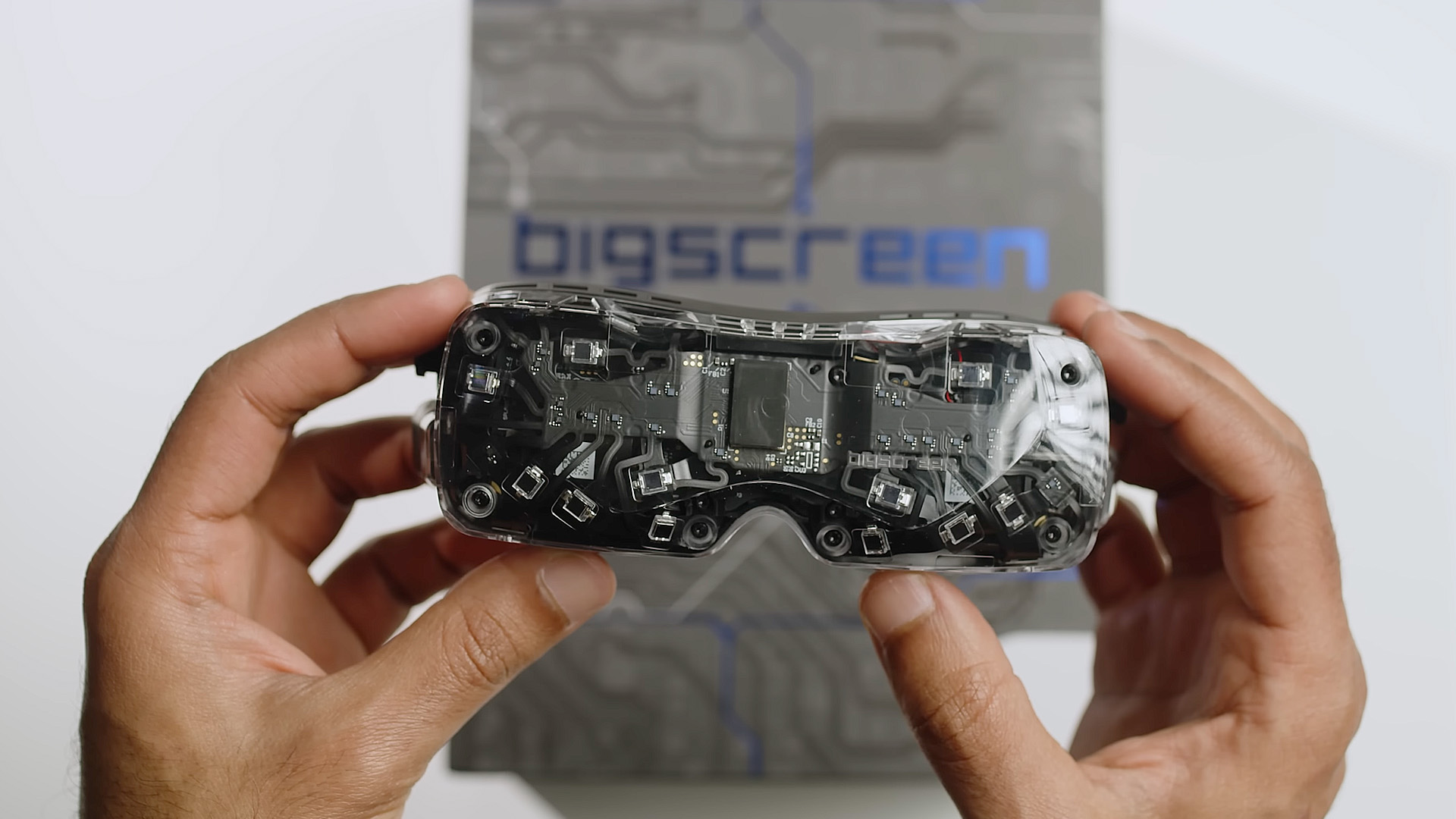
Bigscreen, the company behind the world’s smallest VR headset, has announced a delay in the delivery of its new Beyond 2 PC VR device due to technical challenges uncovered during production. According to a recent update from the company, two bugs affecting controller tracking reliability were discovered in the headset’s electronics during testing. These issues were significant enough that Bigscreen decided to scrap and rebuild over 5,000 printed circuit boards (PCBs) that had already been manufactured.
To address the tracking problems, Bigscreen is collaborating closely with Valve and will be integrating improvements from the Valve Index into the updated electronics. The company’s goal is to enhance tracking precision for the Beyond 2. As a result of these setbacks, customers who were originally expecting their headsets in April or May 2025 will now see their orders pushed back to June. However, pre-orders for the Beyond 2e variant, which features eye-tracking and was initially scheduled for June 2025, as well as both models that will ship with the new Halo mount in the third quarter of 2025, remain unaffected by this delay.
Despite the production hiccup, Bigscreen reports that the Beyond 2 has seen remarkable demand. CEO Darshan Shankar revealed that as many units were ordered on launch day as the first-generation Beyond sold in its first six months. The Beyond 2 distinguishes itself with an ultra-lightweight design, weighing just 107 grams (excluding the mount and face pad), which is 20 grams lighter than its predecessor. The headset requires a high-powered PC, connection cables, and external sensors for SteamVR tracking, consistent with the original model.
Notable upgrades in the Beyond 2 include redesigned pancake lenses that provide a wider field of view and reduce lens flare and light reflections. Additionally, the new model introduces individually adjustable eye relief, a feature not present in the first generation. The Beyond 2 is priced at €1,369 and will fully replace the previous model in Bigscreen’s lineup. Later in the year, a version with built-in eye tracking and a special mount—allowing use without a custom-fit face cushion—is also expected to launch.
For VR professionals and enthusiasts, the delay underscores the technical complexities involved in delivering cutting-edge, compact hardware. However, Bigscreen’s transparent communication and collaboration with Valve suggest a commitment to quality and user experience. The company is working to accelerate production, aiming to begin initial shipments as early as the end of May.
Source: MIXED Reality News
Meta and Microsoft bring Xbox Remote Play to Quest headsets
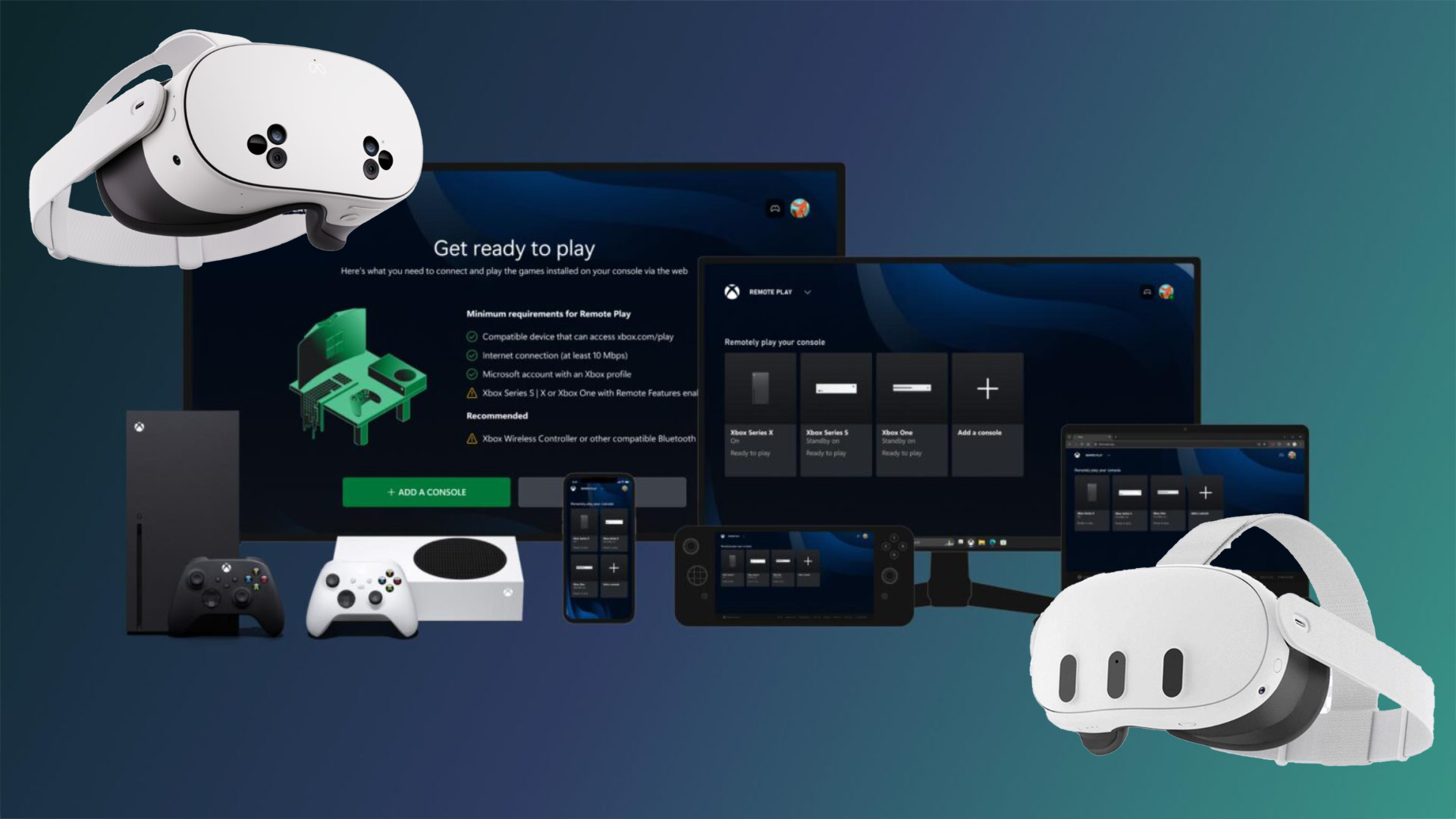
Microsoft and Meta have deepened their partnership with the launch of Xbox Remote Play for Meta Quest VR headsets. This new feature allows users to stream games directly from their Xbox consoles to a Meta Quest 3, Quest 3S, Quest 2, or Quest Pro using the device’s web browser. The move marks a significant expansion of Xbox Remote Play, which was previously limited to mobile devices via the Xbox app, and now supports any device with a compatible web browser, including Samsung Smart TVs and Amazon Fire TV devices.
To use the new feature, Quest owners simply need to navigate to xbox.com/remoteplay in the headset’s browser and follow the setup instructions. The service supports streaming of any game installed on the user’s Xbox console, including backwards-compatible titles from the original Xbox and Xbox 360. However, because Quest controllers are not designed for traditional gamepad inputs, players will need to connect a Bluetooth controller such as the Xbox Wireless Controller or Xbox Elite Series 2 to play effectively.
This update is part of a broader April platform rollout for Xbox, which also includes enhancements like new mobile purchasing options and improved storage and streaming features for consoles. The collaboration between Meta and Microsoft has been intensifying since they announced closer cooperation last year. Among the upcoming joint projects is a special Xbox-themed Meta Quest headset running on Meta Horizon OS, signaling further integration between the two companies’ ecosystems.
For Quest users, Xbox Game Pass Ultimate has been available since late 2023, allowing subscribers to stream cloud gaming titles from the Game Pass library to a virtual 2D screen within the official app. As with cloud gaming, Remote Play requires a stable internet connection and a compatible controller. There are some limitations to consider: Xbox Cloud Gaming streams at a maximum of 1080p/60fps, so users should not expect ultra-high-definition visuals, and the Quest’s battery life may limit the length of gaming sessions.
In the competitive landscape, Nvidia’s GeForce Now service offers an alternative for Meta Quest users, enabling PC game streaming from Steam in higher quality. However, GeForce Now has its own constraints, such as requiring specific controllers and optimal network conditions. For industry professionals, this latest move by Microsoft and Meta underscores the growing convergence of VR and traditional gaming platforms, opening up new possibilities for content delivery and user engagement across devices.
Source: MIXED Reality News
Spanish Prisons Use VR to Build Empathy in Domestic Abusers
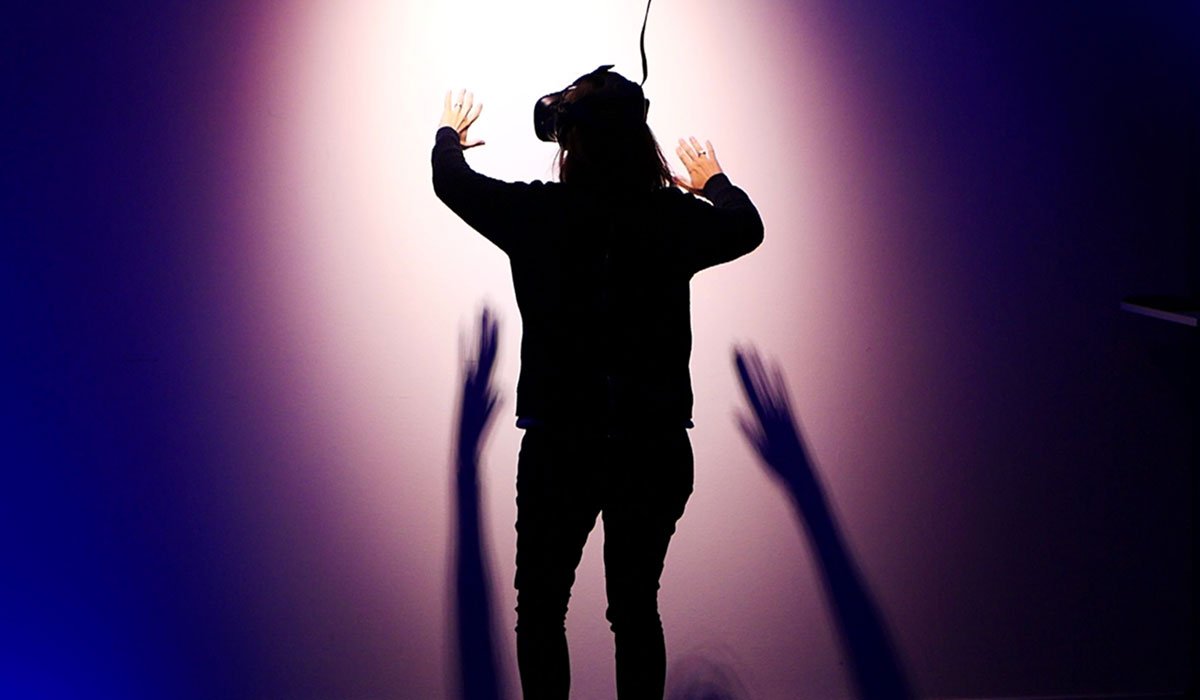
Spanish prisons are turning to virtual reality as a novel approach to rehabilitating domestic violence offenders, with early results suggesting the technology could play a significant role in changing behavior. The program, known as "VRespectMe," is currently being used in six prisons across Catalonia. Developed by psychologist Nicholas Barnes in collaboration with the Catalan government, the Spanish justice system, and the University of Barcelona, the initiative aims to foster empathy in men with violent histories by allowing them to experience abuse from the victim's perspective.
VRespectMe immerses participants in a range of scenarios that simulate different forms of abusive behavior, from verbal intimidation to sexual harassment in public spaces. The emotional impact of these experiences is significant; British journalist Rachel Sylvester, who attempted to try the system herself, found the simulation so intense that she removed the headset early. This reaction is not uncommon, as over a thousand incarcerated men have participated in the program since its launch, with many breaking down in tears or needing to stop sessions due to the emotional strain.
One of the program's most impactful modules involves confronting participants with their own rationalizations for abusive behavior. Offenders are first asked to answer questions such as "Why did you do that?" and "Do you think you'll act this way again after release?" Later, a virtual aggressor echoes those same justifications back at them. According to Barnes, this technique unsettles participants and disrupts their self-deception, which is a deliberate part of the therapeutic process. The discomfort generated by these scenarios is intended to provoke self-reflection and, ultimately, behavioral change.
Virtual reality has already shown promise as a therapeutic tool for a variety of conditions, including aggression, eating disorders, and depression. The early outcomes from the VRespectMe program are encouraging, indicating that immersive VR experiences can have a powerful emotional effect on offenders. However, experts caution that further research is needed to determine whether these changes in empathy and perspective will translate into lasting reductions in recidivism and long-term behavioral change. For professionals working in VR therapy and rehabilitation, the program represents a compelling case study in the potential of immersive technology to address complex social issues.
Source: MIXED
Meta Opens Passthrough Camera API to Horizon Store Developers

Meta has officially moved its Passthrough Camera API (CPA) from an experimental feature to a fully public release, allowing developers to integrate it into apps distributed through the Horizon Store. This change, introduced with version 76.0 of the Meta XR Core SDK, marks a significant milestone for mixed reality development on the Meta Quest platform. Previously, developers could only experiment with CPA by sideloading apps, limiting access to a smaller, more technically adept audience. Now, with the API available for Horizon Store apps, a broader user base can benefit from the enhanced mixed reality experiences made possible by direct access to the Quest's passthrough cameras.
The CPA enables applications to access the video feed from the Quest's passthrough cameras, which can then be analyzed using proprietary computer vision algorithms and AI models. This opens the door to a new generation of mixed reality (MR) experiences that are more immersive and responsive to the user's real-world environment. Prior to this update, the Quest's understanding of its surroundings was limited to basic 3D scans and the identification of objects such as furniture, windows, or doors. Developers could only utilize this abstracted data, restricting the sophistication of MR applications. With CPA, developers gain a much richer dataset, allowing for more detailed and context-aware MR interactions.
Meta has emphasized that a review process is required for apps using the CPA before they can be published or updated in the Horizon Store. This step is likely intended to ensure privacy and security standards are met, given the sensitive nature of video feeds from users' environments. The first wave of updates to existing apps is expected soon, with experimental titles like Twenty Guys, Lab Rats, and Digitalizer already demonstrating the expanded capabilities unlocked by the API. These apps are among the first to showcase how direct access to passthrough video can enhance gameplay and user interaction, setting a precedent for future MR content on the platform.
The public release of the Passthrough Camera API was first announced at Meta Connect 2024, with an experimental rollout in mid-March. The removal of the Horizon Store restriction now means that regular Quest users, not just developers and enthusiasts, will be able to experience the full potential of mixed reality on their devices. For industry professionals, this update signals a shift toward more sophisticated and commercially viable MR applications, as developers can now reach the Quest's mainstream audience through official channels. The move is expected to accelerate innovation in spatial computing and drive the adoption of MR experiences across gaming, productivity, and creative applications.
Source: MIXED
Varjo Launches Teleport 2.0 for High-Fidelity Room Scanning

Varjo has introduced Teleport 2.0, an upgraded spatial capture platform designed to deliver photorealistic 3D replicas of real-world environments, marking what the company describes as a “generational leap” in capture fidelity and creative capabilities for professionals. Announced on April 28, 2025, Teleport 2.0 aims to bridge the gap between simple consumer scanning apps and the high visual quality of expert photogrammetry, offering a streamlined, cloud-based workflow that automates the complex process of 3D scene capture.
Teleport 2.0 leverages enterprise-grade GPU resources and advanced Gaussian Splatting reconstruction techniques to produce 3D capture quality that Varjo claims is on par with high-end photogrammetry. This approach enables users to process thousands of images for large-scale projects using high-powered cloud GPUs, resulting in richly detailed digital twins. The automated workflow is fully cloud-based, which removes the need for manual tweaking or complex local software setups. According to Varjo’s Chief Product Officer Patrick Wyatt, the platform delivers both best-in-class visual quality and the flexibility required by professional users, without forcing a trade-off between ease of use and fidelity.
One of the key advantages highlighted by Varjo is the platform’s data management approach. Users retain full ownership and control of their 3D creations, with the ability to freely import and export data as needed. Importantly, Varjo states that Teleport does not include user data in generative AI training, addressing a common concern among professionals regarding intellectual property and privacy. Christophe Hitié, a 3D creator specializing in digitizing urban art, praised the platform’s ability to eliminate manual adjustments and software maintenance, allowing creators to focus on capturing more locations and producing professional-quality scenes with minimal intervention.
Teleport 2.0 is available immediately. The service offers a free account tier that allows users to create and share up to five 3D scenes, while expanded capabilities are accessible through the Professional Plan, priced at EUR €29.99 per month. This pricing structure positions Teleport 2.0 as an accessible yet powerful tool for professionals seeking high-fidelity spatial capture without the traditional complexity or cost of photogrammetry hardware and software. For those in the VR, MR, and spatial computing industry, Teleport 2.0 could streamline content creation workflows, improve asset quality, and simplify the process of generating digital twins for a range of applications, from virtual production to architecture and cultural preservation.
Source: Auganix
Sony Upgrades Holographic Displays for Headset-Free 3D

Sony has introduced a significant update to its Spatial Reality Display lineup, enhancing its glasses-free 3D experience for professionals in design, visualization, and development. The new SDK 2.5.0 brings notable improvements to both the 15.6-inch ELF-SR1 and the larger 27-inch ELF-SR2 models, focusing on deeper software integration and expanded compatibility with industry-standard tools.
One of the key features of this update is the strengthened OpenXR integration. The newly added "OpenXR Control Panel" allows users to adjust critical parameters such as viewing angle, depth perception, and spatial effects for OpenXR-based applications. The update also streamlines the process of saving and loading user settings profiles, making it easier for professionals to switch between different configurations depending on their workflow.
Compatibility with leading 3D content creation and visualization tools has been expanded. The displays now support the latest versions of popular programs, including Autodesk VRED 2025.3, Twinmotion 2025.1.1, NVIDIA Omniverse USD Composer 2023.2.5, and Blender 4.2. Additionally, full support for Unreal Engine 5.5 and Unity 6 ensures that developers working in game creation and interactive media can take full advantage of the displays’ capabilities.
The ELF-SR2, Sony’s 27-inch flagship model, receives further enhancements with this update. High dynamic range (HDR) support has been added, delivering richer contrast and more vivid visuals—an important feature for technical and creative professionals. A dedicated DICOM mode is now available, allowing for precise color calibration in medical imaging applications. Improved face recognition algorithms also mean more accurate gaze tracking, resulting in a sharper and more immersive 3D effect for users.
Unlike some competitors, such as Illumetry, which still require 3D headsets for their holographic displays, Sony’s Spatial Reality Displays deliver a true 3D experience without the need for any wearable hardware. This positions Sony as a leader in the push for more accessible, professional-grade holographic visualization. The ELF-SR2’s price point—around $5,000—underscores its focus on professional markets like architecture, technical design, and product development. However, the hardware requirements are substantial: at minimum, an Intel Core i5 six-core processor, NVIDIA GeForce RTX 2070 SUPER GPU, and 16 GB of RAM are needed to drive the displays effectively.
Sony is not alone in this space, with companies like Looking Glass, Roomality, and Light Field Lab also advancing holographic display technologies. However, Sony’s latest update further differentiates its offering by enhancing both software flexibility and hardware performance, targeting the needs of demanding professional users who want immersive 3D without the encumbrance of headsets or glasses.
Source: MIXED Reality News
GORN 2 Smashes Into Meta Quest Top 5 as Animal Company Holds Lead

The Meta Quest Store charts saw a notable shake-up this week with the arrival of GORN 2, a brutal gladiator brawler that has entered the top five bestsellers immediately upon release. Despite the newcomer’s strong debut, the top of the charts remains firmly in the grip of established favorites, with Animal Company maintaining its number one position and Yeeps: Hide and Seek holding steady at second place.
Animal Company continues to dominate the Quest charts, bolstered by its free-to-play multiplayer model and exceptional user feedback—boasting a 4.9-star rating from over 124,000 reviews. Yeeps: Hide and Seek, another free multiplayer hit, isn’t far behind, with a matching 4.9-star rating and more than 72,000 user reviews. The perennial favorite Gorilla Tag rounds out the top three, maintaining its popularity with a 4.6-star rating from over 148,000 reviewers. Beat Saber, the iconic VR rhythm game, remains a staple in fourth place, with a 4.5-star rating and more than 52,700 ratings accumulated over its long run.
The most significant movement this week is the debut of GORN 2 at fifth place. Priced at €19.99, GORN 2 has quickly resonated with players, earning a 4.7-star average from 362 reviews. The game’s comic-style, over-the-top gladiator battles and sandbox elements appear to be a hit among VR enthusiasts, suggesting a strong appetite for violent, physics-driven action in the Quest ecosystem. This rapid ascent is notable, especially in a market where established multiplayer and rhythm games typically dominate the charts.
Other notable shifts include Scary Baboon dropping from fourth to sixth, though it remains in the top ten with a 4.7-star rating from over 37,500 players. I Am Cat, a sandbox cat simulator, slides from fifth to ninth but still boasts an impressive 4.9-star rating from more than 62,800 reviews. Meanwhile, two high-profile releases from last week—Civilization 7 VR and Wanderer: The Fragments of Fate—have disappeared from the top ten entirely, underscoring the volatility and competitiveness of the VR content market.
For industry professionals, these chart movements highlight the enduring appeal of free-to-play multiplayer experiences and the potential for innovative, action-packed titles like GORN 2 to disrupt established rankings. The rapid success of GORN 2 also signals that players are eager for fresh, visceral gameplay experiences, even as long-standing hits continue to command the majority of user attention and engagement.
Source: MIXED Reality News
Final Fury Brings Arcade Fighting to VR This May

Arcade-style fighting is getting a new lease on life in virtual reality with the upcoming launch of Final Fury, a VR brawler inspired by classics like Street Fighter. Developed by Kluge Interactive, the studio behind the rhythm hit Synth Riders, Final Fury is set to debut in Early Access on May 8, 2025, for both Meta Quest and SteamVR platforms. Priced at $9.99, the game aims to capture the high-energy feel of arcade fighters while immersing players directly into the action through a first-person perspective.
What sets Final Fury apart is its commitment to physicality and immersion. Players execute punches, blocks, and special moves using real hand gestures, making every bout an active, kinetic experience. The game maintains a first-person view for most of the action, only shifting briefly to a third-person camera for certain special attacks. This design choice is intended to maximize the sense of presence and put players "in the ring," rather than simply controlling a character from afar.
At launch, Final Fury will offer six distinct fighters, each with their own signature moves and unique arenas. The game supports both offline play and cross-platform multiplayer, with rollback netcode implemented to ensure smooth and responsive online matches. This is a notable feature for competitive players, as rollback netcode is widely regarded as the gold standard for fighting game online performance. In addition to multiplayer, an arcade mode lets players challenge AI opponents to unlock new fighters, stages, and cosmetic upgrades, providing incentives for both solo and competitive play.
Kluge Interactive has taken a thoughtful approach to development, bringing on board fighting game legend Justin Wong, a nine-time EVO champion, to help refine the game’s mechanics, pacing, and overall feel. Wong’s involvement was instrumental in shaping Final Fury into a title that can appeal to both seasoned fighting game fans and newcomers to the genre. After initial playtests, the development team revisited and reworked the game’s core systems to further enhance the sensation of actually being the fighter, rather than just controlling one.
For those interested in the development process, Kluge Interactive has provided an in-depth look at their design decisions and iterations on the Final Fury development blog. With its blend of classic arcade inspiration, modern VR immersion, and a focus on competitive play, Final Fury is positioned to bring a fresh take on the fighting genre to the VR space. Its arrival may signal a new era for beat 'em ups in virtual reality, offering both nostalgia and innovation for industry professionals and enthusiasts alike.
Source: MIXED Reality News
Oblivion Remastered Gets Early VR Mod with Motion Controls

The Elder Scrolls IV: Oblivion Remastered has barely launched, but modders have already brought the reimagined RPG into virtual reality. The YouTube channel LunchAndVR has released a first look at Oblivion Remastered running in VR with motion controls, using the UEVR tool to convert the Unreal Engine 5 title for immersive play. This rapid modding effort highlights both the enduring popularity of Bethesda’s fantasy classic and the enthusiasm of the VR community to bring major titles into spatial computing environments.
According to LunchAndVR, these are early experimental builds. Motion controls are not yet fully stable and can cause the game to crash, so a complete 6DOF (six degrees of freedom) profile is not available for download at this stage. However, two profiles are already shared: a performance-focused profile by "Keyser" for smoother VR gameplay, and a 3DOF profile with additional optimizations by "Pande4360." A full 6DOF profile is reportedly in development and expected to be released soon. Both profiles are linked in the source article for those eager to experiment.
Performance testing was carried out on high-end hardware: a Meta Quest 3 headset connected via Virtual Desktop VD XR at Ultra settings and 72 Hz, paired with a PC equipped with a GeForce RTX 4090, Intel i9-13900 CPU, and 64 GB of RAM. The in-game graphics were set to medium with DLSS in performance mode. LunchAndVR notes that indoor environments run smoothly, while outdoor scenes experience some framerate dips, reflecting the demanding nature of the remaster’s updated visuals.
For players interested in experiencing Oblivion Remastered in VR without mods, there are alternative options. Owners of the game on Xbox or Game Pass Ultimate subscribers can play the title on a virtual screen inside a Meta Quest headset using the Xbox Cloud Gaming app or the new Xbox Remote Play feature. This offers a more traditional flat-screen experience within a VR environment, distinct from the fully immersive modded approach.
Oblivion Remastered officially launched on April 22, 2025, for Xbox Series X/S, PlayStation 5, PC, and Game Pass. Developed by Bethesda Game Studios in collaboration with Virtuos, the remaster brings a host of improvements: enhanced character models, improved lip-sync, new atmospheric effects, a modern real-time lighting engine, and gameplay updates such as sprinting, revamped combat animations, and a better third-person view. The swift arrival of VR mods mirrors the pattern seen with previous Bethesda RPGs like Skyrim and Fallout 4, both of which also received VR adaptations, underscoring the modding community’s commitment to immersive gaming experiences.
Source: MIXED
Looking Glass unveils 27-inch glasses-free 3D display
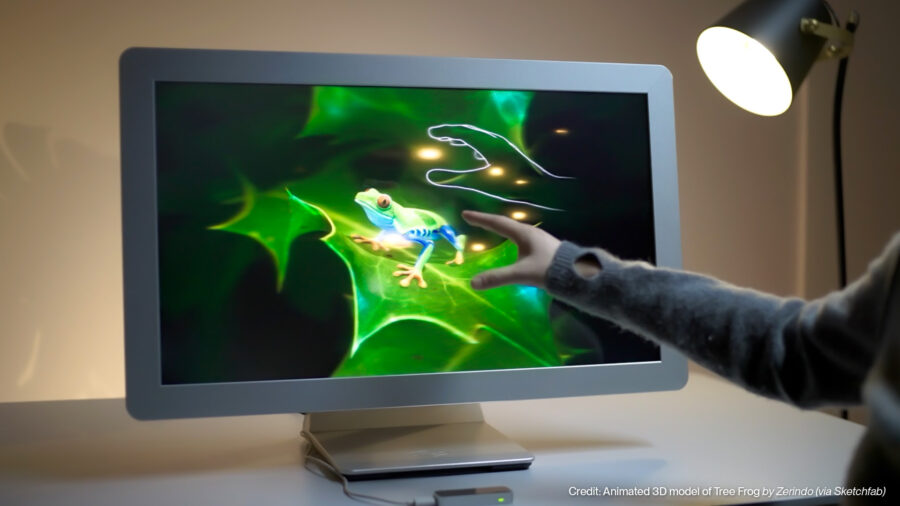
Looking Glass has introduced its latest innovation in light field display technology with the launch of the Looking Glass 27-inch display. Designed to deliver immersive, glasses-free 3D visuals to multiple users at once, the new device aims to broaden the accessibility and impact of spatial computing across industries. Unlike traditional 3D solutions that require headsets or special glasses, this display enables group viewing experiences, making it particularly suitable for collaborative environments such as research labs, training facilities, and live activations.
The Looking Glass 27” features a 5K resolution panel in a slim, 1-inch-thick form factor and offers a substantial 16 inches of virtual depth. According to Looking Glass, the device can be powered directly from an iPad, which contributes to a system-level cost reduction of approximately 35% compared to its predecessor. This focus on efficiency extends to compute requirements as well, with the company highlighting significant hardware and software improvements that make it easier for developers and enterprises to build and deploy 3D applications.
On the software side, the display supports development in Unity on PC with deployment to iPad, and integrates with WebXR and major 3D content pipelines. This compatibility is expected to streamline the workflow for content creators and developers, allowing for faster prototyping and broader deployment options. Looking Glass notes that its platform has already been adopted by brands, research institutions, and innovators to create headset-free 3D experiences across a diverse range of fields.
The Looking Glass 27” is now available for pre-order at a price of USD $8,000 until April 30, 2025, after which it will be offered at a full MSRP of USD $10,000. Shipments are expected to begin in June 2025. In addition, the company is offering a 25% discount on its 16-inch display, bringing its price to USD $4,000 through the end of April. For those in the XR industry, this launch represents a notable advance in multi-user, glasses-free 3D visualization, with potential to drive new applications in training, education, and interactive experiences.
Source: Auganix
Homerise Brings Smart Home Control to Apple Vision Pro
Homerise for Apple Vision Pro is designed to make smart home integration a reality, according to recent coverage. The platform aims to enhance the capabilities of Apple's spatial computing headset by allowing users to control and interact with their smart home devices directly through the Vision Pro interface.
While specific details have not been reported, the announcement signals a move towards more seamless and immersive smart home management using mixed reality technology. This development may appeal to both consumers and professionals interested in the convergence of spatial computing and home automation.
Industry observers will be watching closely to see how Homerise leverages the Vision Pro's unique features to differentiate itself from existing smart home solutions. The integration could set a precedent for future applications in the smart home and spatial computing sectors.
Source: UploadVR
Spotted something wrong in this issue? Report it.