XREAL and Google Reveal Project Aura: Optical See-Through XR Headset
This issue covers XREAL and Google's Project Aura headset debut, hands-on with Pimax Dream Air, Meta Quest UI updates, and new VR game releases.
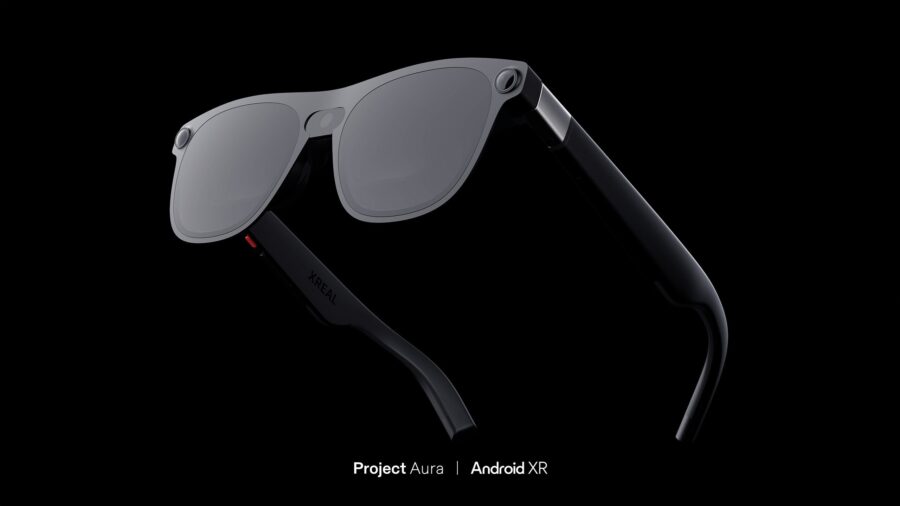
XREAL and Google Unveil Project Aura Optical See-Through XR Headset
XREAL has announced Project Aura, a new optical see-through XR device designed for the Android XR platform, in partnership with Google. The unveiling took place during Google I/O, the company's annual developer conference, marking a significant milestone for both companies as they seek to expand the reach and capabilities of spatial computing.
Project Aura stands out as the second official device for Android XR and the first to feature an optical see-through (OST) design. The headset is lightweight, tethered, and powered by Gemini AI, aiming to deliver a wide field of view and cinematic visuals for immersive spatial experiences. According to XREAL’s Co-founder and CEO, Chi Xu, this collaboration with Google represents a breakthrough for real-world XR, combining robust platform capabilities with advanced chipsets and XREAL’s expertise in optical systems. Xu emphasized the company's commitment to performance, comfort, and design, with a vision of making XR hardware wearable for everyday use.
The partnership extends beyond Google, as Qualcomm Technologies is also involved, integrating Snapdragon XR chipsets into the device. This three-way collaboration is intended to accelerate the growth of immersive, wearable computing and support the next wave of XR experiences. Shahram Izadi, VP and GM of XR at Google, highlighted the significance of bringing XREAL into the Android XR ecosystem, noting that the move expands spatial experiences to OST form-factors that are both intuitive and accessible. Qualcomm’s Ziad Asghar, SVP and GM of XR, echoed these sentiments, describing the collaboration as a major step forward for the Android XR ecosystem and emphasizing the role of Snapdragon processors in enabling unique immersive experiences.
For developers, XREAL and its partners are encouraging the creation of new applications and use cases tailored to the capabilities of Project Aura. Notably, developers already building for Android XR headsets are expected to be able to port their applications to Project Aura with minimal effort, potentially accelerating content availability and ecosystem growth.
While full technical specifications and commercial details have not yet been disclosed, XREAL has indicated that more information will be shared at the Augmented World Expo (AWE) in June 2025 and later in the year. This announcement positions Project Aura as a notable entrant in the evolving XR landscape, particularly for those in the industry looking to leverage optical see-through technology and Android-based spatial computing platforms.
Source: Auganix
Pimax Dream Air: Early Hands-On Shows Lightweight Promise

Pimax, known for its high-resolution and wide field-of-view headsets, is taking a new direction with the upcoming Dream Air. Previewed at the VR AR Expo China, the Dream Air aims to deliver a high-definition experience in an ultra-lightweight and compact form factor, a notable shift from the company’s traditionally bulky designs. The device is expected to launch in Q3 2025, with the Dream Air SE arriving before it, and the Lighthouse-tracked version preceding the inside-out tracking model.
The Dream Air prototype showcased at the event was still in development, featuring a rough, partly 3D-printed build that did not reflect the final design. Despite this, the headset’s small size and low weight were immediately apparent, drawing comparisons to competitors such as the BigScreen Beyond and Shiftall MeganeX Superlight. Its comfort was highlighted, with the back strap alone providing a secure fit, and the device feeling more like large glasses than a traditional VR headset. However, the current fitting system offers less customization than some rivals, favoring simplicity and ease of setup.
One notable issue during the demo was the heavy cable connecting the headset to the PC, which risked shifting the lightweight device when moved. Pimax plans to address this in the final version by splitting the cable into two, balancing the weight on both sides of the headset. The company is also working on an auto-fitting mechanism, though only a standard elastic strap was available in the prototype.
Visual clarity was a standout feature, with 4K per eye resolution and OLED displays providing bright colors and deep blacks. However, the prototype suffered from significant visual distortions, including barrel distortion, incorrect 3D effects, and pronounced spherical aberrations at the periphery. These issues affected the perceived field of view, which, while nominally over 105°, felt smaller due to the brain ignoring the distorted edges. These problems are seen as fixable in future iterations, and the overall impression is that the Dream Air has strong potential if development continues in the right direction. Pricing remains unclear, with estimates ranging from €1,851 to €2,144, following Pimax’s tradition of complex pricing structures.
For industry professionals, the Pimax Dream Air represents a significant move towards more comfortable, high-resolution VR hardware, but the prototype’s current issues highlight the challenges of balancing form factor and optical performance. If Pimax can resolve the distortions and deliver on its promises, the Dream Air could become a compelling option in the lightweight headset market.
Source: Skarredghost
Overcoming Meta Quest Headaches While Working in China

Using Meta's Quest headsets in China remains a significant challenge for XR professionals, as detailed in a personal account by an XR developer who recently returned from a business trip to the country. Despite being familiar with the hurdles of operating Meta devices in China—where Meta services are blocked—the developer brought a Quest 3 as a primary device and a Pico 4 as backup for Unity development work. Previous trips had already revealed issues with Quest Link, but workarounds like Steam Link had sufficed. This time, however, the obstacles were more severe.
Upon arrival, the Quest Link connection failed, which couldn't be resolved by standard troubleshooting steps such as rebooting, closing background software, or updating graphics drivers. Even without VPNs, which are known to cause issues, the connection would not work. Hoping a software update might help, the developer installed runtime v76—only to have the update brick the headset entirely, leaving it stuck in Android recovery mode and prompting a factory reset. Attempts to recover the device using both unofficial firmware sources and Meta's own online tool were unsuccessful, forcing a reluctant factory reset.
The process of resetting and setting up the Quest in China brought further complications. Meta's documentation states that initial setup cannot be performed over hotel or phone-tethered Wi-Fi, which are often the only options for travelers. Additionally, with Meta's services blocked in China, downloading necessary files or updates was impossible without access to an unrestricted network. The developer ultimately relied on support from local VR contacts, who provided access to a proper router and helped complete the reset and update process. This highlights the importance of connecting with local XR professionals when troubleshooting devices in restrictive environments.
Even after restoring the headset, connectivity issues persisted. The Quest refused to install or update apps, repeatedly displaying a limited Wi-Fi connection warning, despite being connected and able to browse the web. Government-approved VPNs allowed some downloads, but not app installations. Unlike previous visits, this time the device was completely blocked from installing new apps or using internet-dependent features. The workaround came via sideloading: by installing Steam Link from APK Mirror, the developer bypassed the Quest's entitlement or pre-connection checks, restoring access to essential tools for work.
This experience underscores the need for XR professionals traveling to China to prepare for device restrictions, have backup solutions, and seek help from the local VR community. It also raises questions about Meta's support for international users and the increasing difficulty of using its devices in countries with strict internet controls.
Source: Skarredghost
Meta Revamps Quest UI, Apple Glasses Rumored for 2026

This week saw several notable developments across the XR industry, with Meta unveiling a major overhaul of the Quest headset’s user interface and fresh rumors emerging about Apple’s smartglasses timeline. The latest Quest runtime, v77, introduces the new "Navigator" launcher overlay, which aims to unify and streamline the user experience. Navigator integrates core system features such as Library, Quick Controls, Camera, and up to ten favorite items into a translucent overlay accessible from both immersive and 2D apps. The design is reminiscent of mobile or Windows start menus, which could make Quest more approachable for newcomers to VR. Meta describes this as the start of a broader evolution for Horizon OS, with Navigator initially rolling out to select users in the Public Test Channel before a gradual wider release. This measured rollout allows Meta to refine the interface based on user feedback, addressing longstanding usability criticisms of the Quest platform. Additionally, v77 brings an update to Instagram on Quest, automatically converting 2D photos into immersive 3D formats within the headset.
On the hardware front, Apple is reportedly accelerating its work on smartglasses, with Bloomberg’s Mark Gurman suggesting a potential launch as early as late 2026. This moves up previous expectations of a 2027 release, reflecting Apple’s response to the momentum generated by Meta’s Ray-Ban glasses and Google’s recent partnerships with eyewear brands. Gurman claims that Apple’s prototypes, which could be ready in large numbers by the end of the year, will feature cameras, microphones, and speakers, supporting functions like phone calls, music, live translation, navigation, and multimodal AI (termed "Visual Intelligence" by Apple). These features closely mirror those found in Ray-Ban Meta glasses, though it remains to be seen whether Apple will incorporate display technology to differentiate its offering. As with many Apple product rumors, the timeline remains speculative, but the report underscores Apple’s continued commitment to the smartglasses category as competition heats up.
Elsewhere in the XR ecosystem, Samsung and Google’s Project Moohan (also known as Google Beam) attracted attention following hands-on sessions at Google I/O. While early impressions did not reveal major surprises, the coverage highlights ongoing efforts to bring Android XR glasses to market. In eye-tracking technology, Tobii has partnered with Prophesee to develop a new system for XR headsets using event cameras. Unlike traditional monochrome cameras, event cameras only record changes between frames, offering advantages in privacy, data efficiency, and power consumption—attributes well-suited for future AR glasses.
Other industry updates include Starfish Neuroscience, backed by Gabe Newell, announcing development of a custom neural chip for battery-free brain implants capable of reading and stimulating multiple brain areas. The open-source game engine Godot has also added support for VisionOS, thanks to direct contributions from an Apple engineer, positioning Godot as a viable alternative to Unity and Unreal for Apple’s spatial computing platform. In content news, Meta has partnered with Blumhouse and ARVORE to launch the Blumhouse Horrorverse in Horizon Worlds, signaling a push for higher-quality, studio-developed VR experiences. Finally, Upload VR’s Summer VR Showcase is set for July 11th, offering developers a platform to spotlight new XR games.
Source: Skarredghost
Apple Advances Custom Chip for AI Smart Glasses

Apple is reportedly making significant headway in developing a custom chip tailored for its upcoming smart glasses, according to Bloomberg’s Mark Gurman. The initiative is part of Apple’s broader strategy to enter the smart eyewear market, a space that has seen growing consumer interest following the positive reception of the Ray-Ban Meta Smart Glasses. Apple’s potential entry into this sector could reshape the competitive landscape, especially as the company is known for its tight integration of hardware and software.
The new chip, designed specifically for Apple’s smart glasses, is said to be based on the energy-efficient S-series processors found in the Apple Watch. To further optimize for the limited power budgets of wearable devices, Apple has reportedly stripped out certain components from the chip. Notably, the silicon is engineered to control multiple cameras, a feature planned for the glasses, which would allow for sophisticated environmental scanning and AI-powered assistance in daily tasks. This mirrors the approach seen in the Ray-Ban Meta Smart Glasses, which leverage AI to enhance user experience.
According to Gurman, Apple is aiming for mass production of the chip either by the end of next year or by 2027, suggesting a possible product launch within the next two years. This timeline aligns with Apple’s ambitions to be a leader in the smart glasses space and to potentially outpace Meta, whose CEO Tim Cook is reportedly determined to beat in this arena. Both the smart glasses and a more advanced pair of AR glasses—intended for everyday use—are being developed under the codename N401. However, the AR glasses are still several years away from being market-ready.
The competitive context is intensifying, as Meta is also expanding its smart glasses portfolio. Mark Zuckerberg has announced plans to introduce Oakley-branded glasses with smart features similar to the Ray-Ban Meta Smart Glasses, as well as a premium model with a built-in heads-up display. Additionally, Meta’s first fully-fledged AR glasses, codenamed Artemis, could arrive in 2027. For professionals in the VR, AR, and spatial computing industry, Apple’s progress signals a new phase of innovation and competition, with custom silicon likely to play a pivotal role in differentiating next-generation wearable devices.
Source: MIXED
Samsung's Project Moohan XR Headset Benchmark Leak Highlights XR2+ Gen 2
A benchmark leak has revealed that Samsung's upcoming Project Moohan XR headset is expected to feature the Snapdragon XR2+ Gen 2 chipset. This information suggests the device will be equipped with Qualcomm's latest XR platform, positioning it as a contender in the next generation of mixed reality hardware.
The leak provides an early glimpse into the potential performance capabilities of Samsung's new headset, but no further details about specifications, pricing, or release timeline are available at this time.
Source: HotHardware, GSMArena.com, SamMobile.
Team Beef Brings Counter-Strike 1.6 to Standalone VR Headsets
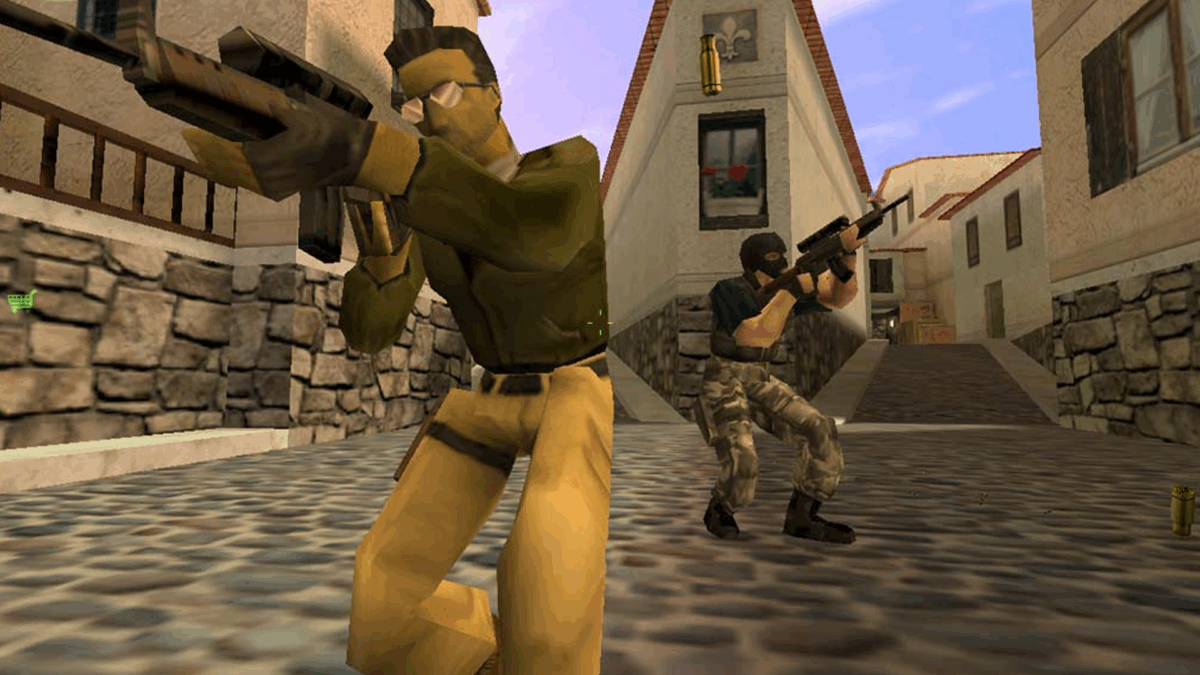
Team Beef, a developer group recognized for bringing classic games to standalone VR, has announced an unofficial virtual reality port of Counter-Strike 1.6 for Meta Quest and Pico headsets. The project, titled CSVR, aims to deliver a full VR adaptation of the iconic multiplayer shooter to devices including Quest 3, Quest 3S, Quest 2, Quest Pro, Pico 4 Ultra, Pico 4, and Pico Neo 3. This move continues Team Beef’s tradition of reviving beloved titles for immersive platforms, following extensive research and planning to ensure a faithful and functional VR experience.
The development of CSVR is already underway, with the first build expected to be released soon on Team Beef’s Patreon page. Historically, early versions of Team Beef’s VR ports are exclusive to Patreon supporters, while completed versions become available for free via SideQuest. This approach has helped the team’s projects reach millions of downloads among VR enthusiasts. The group, founded in 2019, consists of Simon "Dr. Beef" Brown, Grant "BaggyG" Bagwell, Bummser, and Luboš Vonásek, and is known for its expertise in adapting classic PC games for standalone VR platforms.
One of the standout features of the CSVR port is its planned full cross-platform multiplayer support. VR players will be able to compete directly against PC users, bridging the gap between traditional and immersive gaming communities. Additionally, VR users will have the ability to host servers, spawn bots, and even use a keyboard—all from within the headset. The port is being built on the Xash3D FWGS engine and Velaron’s multiplatform client, both open-source projects available on GitHub, which should help ensure robust compatibility and modding potential.
Currently, the alpha version of CSVR does not yet include motion control support, but this is planned for the final release. This feature will be crucial for delivering an authentic VR shooter experience and could set a new standard for unofficial VR ports of classic games. For industry professionals, the project highlights the growing demand for cross-platform, community-driven VR experiences and the technical challenges of adapting legacy titles for modern immersive hardware. The ability to freely download finished VR ports from SideQuest further lowers barriers for experimentation and user feedback, reinforcing the importance of open distribution channels in the VR ecosystem.
Source: MIXED
TMNT: Empire City VR Game Announced for 2026 Release
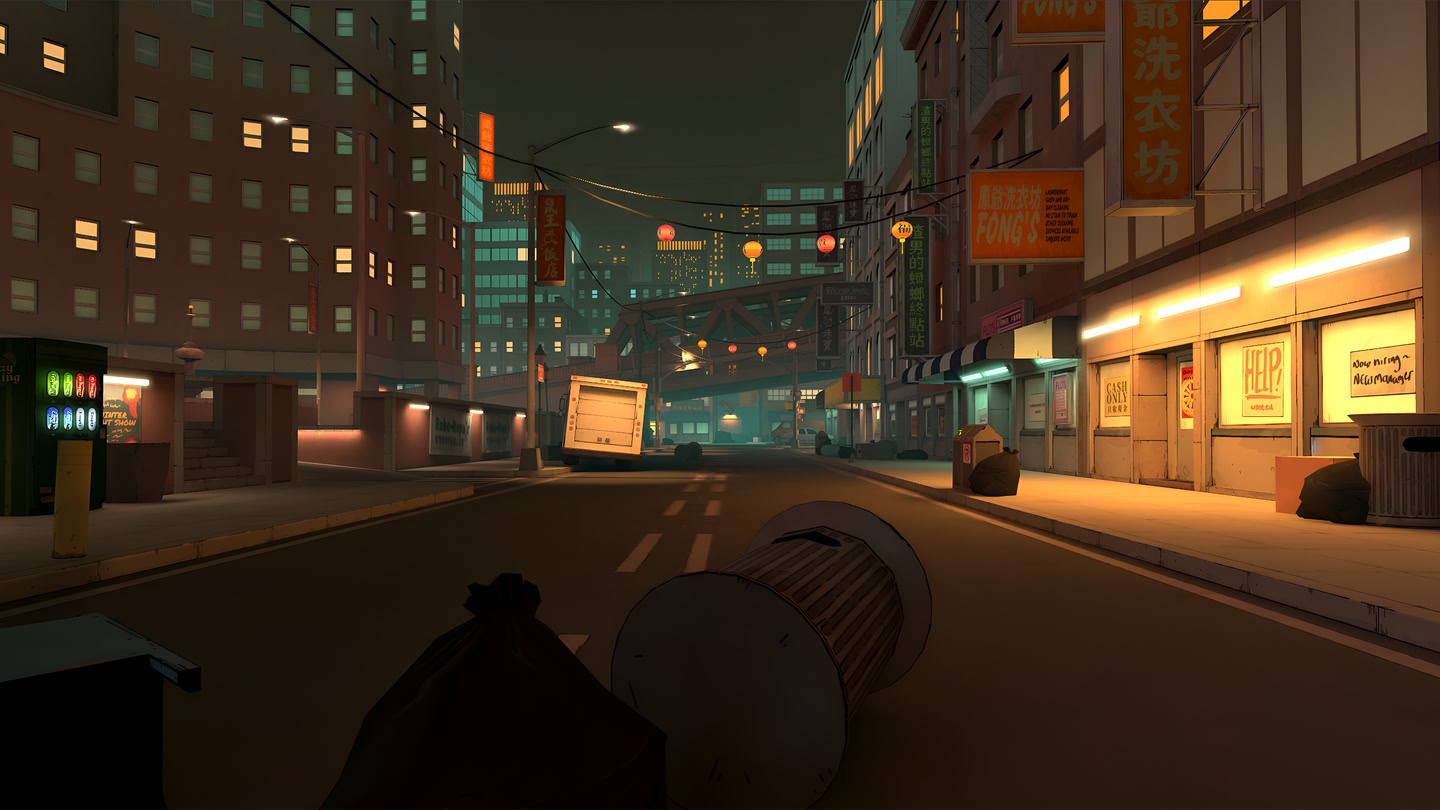
The Teenage Mutant Ninja Turtles are set to make their debut in virtual reality with the announcement of Teenage Mutant Ninja Turtles: Empire City, a new VR title scheduled for release in 2026. This upcoming game is being developed specifically for Meta Quest and PC VR platforms, signaling a significant expansion of the beloved franchise into immersive, interactive experiences tailored for VR audiences.
While details about gameplay and story remain scarce, the official game description and a brief video teaser have been released, though the teaser offers little insight into the mechanics or narrative. However, early screenshots available on the Horizon Store and Steam provide a glimpse into the game’s distinctive art style, which appears to capture the energetic and stylized world of the Teenage Mutant Ninja Turtles. These previews suggest that the developers are aiming to deliver an authentic TMNT experience that leverages the unique possibilities of VR.
Teenage Mutant Ninja Turtles: Empire City is being developed by Cortopia Studios, a team known for their work on titles such as Gorn 2, Escaping Wonderland, and Down the Rabbit Hole. Their experience in creating VR-first content is likely to shape the direction and quality of this new project, which has been built from the ground up for virtual reality rather than being adapted from a traditional flat-screen format. This approach is particularly important for industry professionals, as it reflects a growing trend of established IPs receiving original VR adaptations rather than ports, potentially raising the bar for narrative and gameplay integration in immersive media.
For those eager to follow the development of TMNT: Empire City, the game can already be added to wish lists on both the Horizon Store and Steam. The early announcement and cross-platform support indicate a commitment to reaching a broad VR audience. For developers and industry watchers, this move by Cortopia Studios and the TMNT franchise underscores the increasing mainstream appeal of VR and the willingness of major brands to invest in purpose-built virtual reality experiences. As more details emerge closer to the 2026 release, the project will be one to watch for its potential impact on both VR gaming and the broader adoption of spatial computing entertainment.
Source: MIXED
Tunnels Delivers Claustrophobic VR Horror on Quest 3
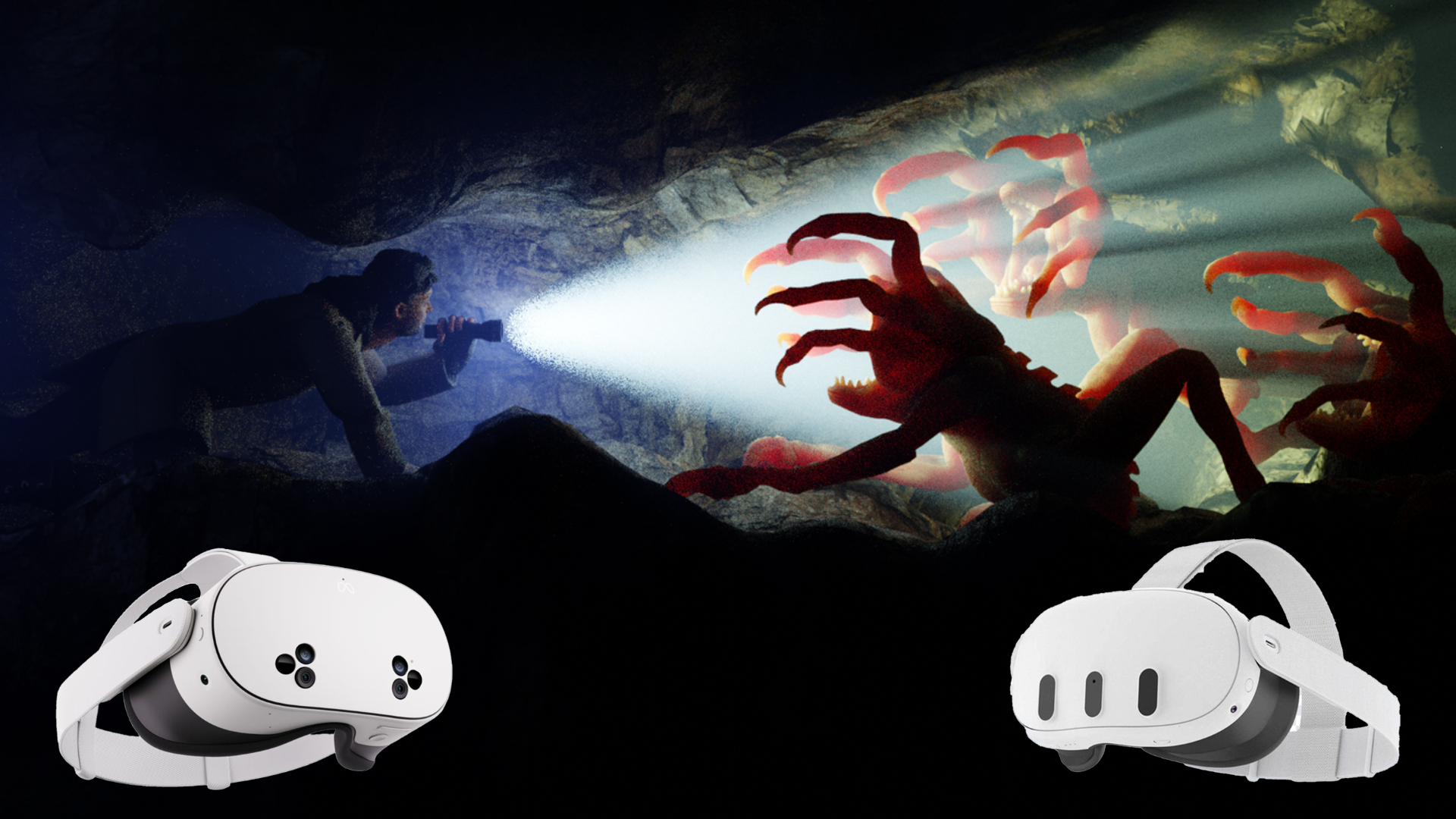
The new VR horror title Tunnels has arrived on the Meta Quest platform, offering players an intense, claustrophobic experience reminiscent of classic cave horror films. Drawing inspiration from Neil Marshall’s 2005 film The Descent, the game thrusts players into the depths of an abandoned mine, where darkness, tight spaces, and lurking threats combine to create a nerve-wracking atmosphere. Available on Meta Quest 3, Tunnels can be played solo or in multiplayer, giving users the chance to face their fears alone or with friends.
Upon entering the game, players receive a mission briefing via radio and learn the basics of VR movement. The objective is to navigate the mine, plant explosives, and help seal off the tunnels. Early gameplay is straightforward, with familiar VR controls for gripping walls and handling a flashlight. However, Tunnels soon introduces more immersive mechanics: sprinting requires physically swinging your arms, and crawling through tight spaces demands that players reach forward and pull themselves along, occupying both hands and making it difficult to keep the flashlight steady. Swimming through flooded tunnels uses the same grip-based locomotion, adding to the sense of vulnerability.
The flashlight is a crucial tool, not only for illuminating the pitch-black pathways but also for fending off the cave’s monstrous inhabitants, who are repelled by light. However, batteries are scarce, forcing players to conserve power and navigate much of the game in near-total darkness. This design choice heightens the tension but also exposes the limitations of the Quest 3’s LCD display, which struggles to render true blacks, resulting in a persistent murky gray instead of deep darkness. The game’s graphics and lighting are serviceable but could benefit from more advanced effects to enhance immersion, especially given the setting’s reliance on darkness and subtle lighting cues.
Technical issues occasionally disrupt the experience. The reviewer reported getting stuck on rocks or underwater plants, and sometimes the crawling mechanics failed to register movements, breaking immersion. Despite these drawbacks, Tunnels succeeds in creating a tense, unsettling environment with decent voice acting and sound design that keeps players on edge. The game is available for $15 on the Meta Horizon Store and features both a single-player campaign and a free multiplayer mode, making it accessible for different play styles.
For VR developers and industry professionals, Tunnels serves as a case study in immersive horror design, leveraging physical interaction and environmental storytelling to evoke primal fears. However, it also highlights ongoing challenges with VR hardware and the importance of polish in delivering a seamless experience. As VR horror continues to evolve, Tunnels demonstrates both the potential and pitfalls of the genre on standalone headsets.
Source: MIXED
Meta Unveils AssetGen 2.0: Next-Gen AI for VR World Creation
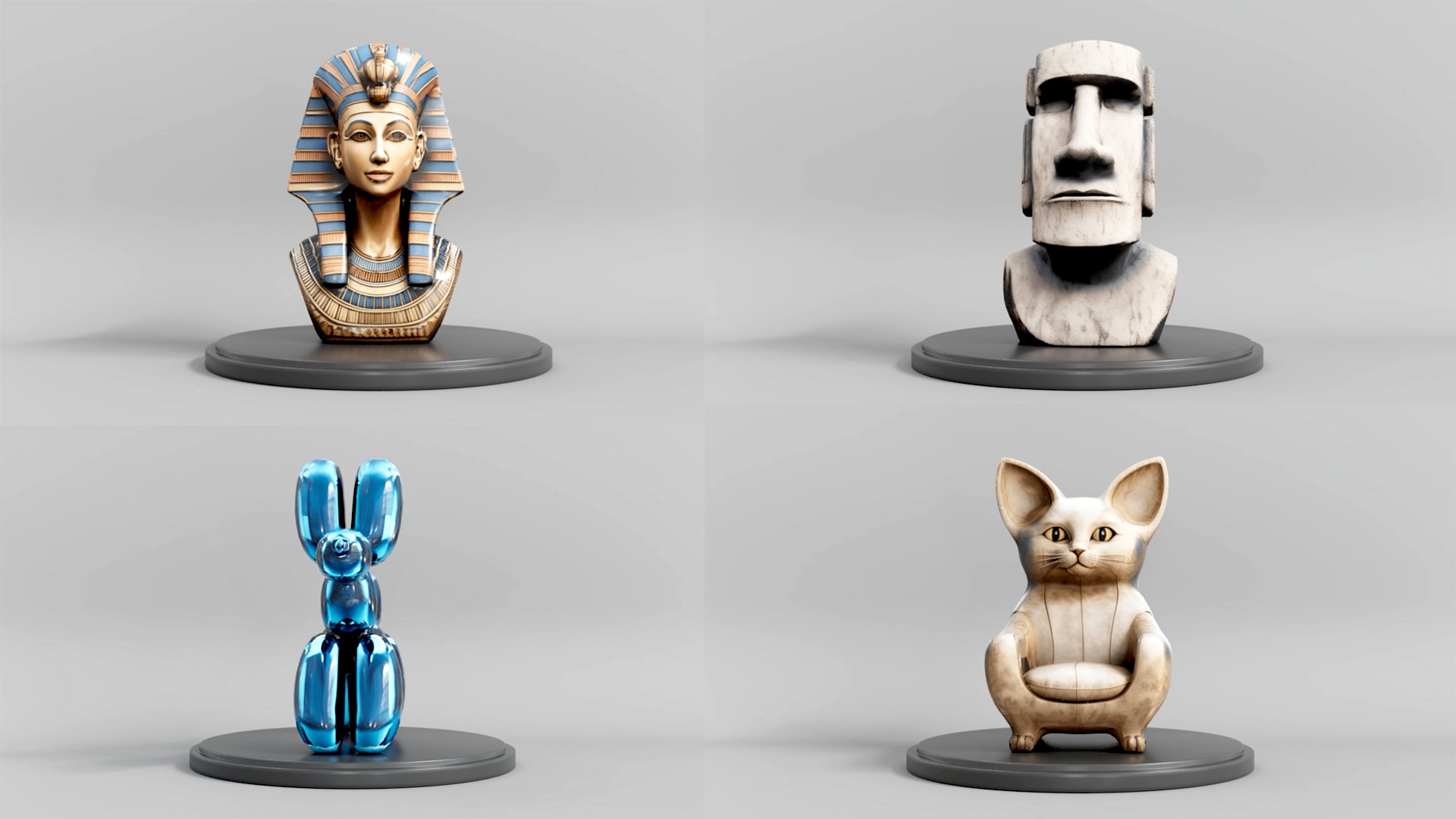
Meta has announced AssetGen 2.0, an upgraded generative AI designed to streamline the creation of 3D models for its Horizon Worlds metaverse platform. This new model, trained on a vast collection of 3D assets, promises to deliver higher quality results from both text and image prompts, marking a significant advancement over its predecessor, AssetGen 1.0. According to Meta’s developer blog, AssetGen 2.0 leverages a single-stage 3D diffusion model to produce 3D meshes with substantially improved detail and fidelity. The complementary TextureGen model ensures these assets are visually impressive and ready for production with high-quality textures.
The rollout of AssetGen 2.0 is scheduled for later this year, targeting developers working within the Horizon ecosystem. The tool will be integrated into the Meta Horizon Desktop Editor, which allows creators to build virtual worlds on their PCs. Since April, the editor has supported AI-powered generation of 3D models from text prompts, though this feature is currently limited to users in the USA, Canada, and the UK. AssetGen 1.0, which is currently in use, takes approximately 3 to 6 minutes to generate a single 3D model, and daily generation quotas apply. It remains unclear whether AssetGen 2.0 will offer faster generation times or higher daily limits.
Meta has also teased the development of another AI model capable of generating entire 3D scenes from text and image prompts, potentially enabling even more ambitious world-building capabilities in the future. The Meta Horizon Desktop Editor, which entered Early Access in February, is available in all 23 countries where Horizon Worlds is supported. The editor is designed to align with traditional 2D and 3D development workflows, offering features such as custom model imports, TypeScript support for complex game logic, and mobile optimization tools. Initially, Horizon Worlds could only be built within VR using basic tools, but the Desktop Editor now provides a more robust and flexible development environment, with the older VR-only tools being phased out.
For those interested in leveraging these new capabilities, the Desktop Editor requires the Meta Quest Link PC app and currently supports only Windows PCs. MacOS and Linux are not supported at this time. With the ongoing expansion of generative AI features—including sound effects, ambient sound, code, mesh, texture, and skybox generation—Meta is positioning its Horizon platform as a leading destination for immersive, AI-driven virtual world creation. This evolution is likely to be of significant interest to developers and creators seeking to push the boundaries of what’s possible in VR and metaverse environments.
Source: MIXED
Google Teases Stylish Smartglasses, Valve Deckard Leak Surfaces

This week in XR brought several notable developments, with Google teasing its upcoming smartglasses at Google I/O, a surprising leak about Valve’s Deckard headset, and new hardware and software updates from XREAL and Meta.
During Google I/O, the company offered a first glimpse at its smartglasses initiative, though it stopped short of a full product reveal. The glasses, which will run on Android XR and integrate Google’s Gemini AI, are aimed at being both technologically advanced and fashion-forward. Recognizing the success of Ray-Ban Meta glasses, Google is partnering with well-known eyewear brands Warby Parker and Gentle Monster, and plans to collaborate with Kering Eyewear in the future. While these brands don’t match the market dominance of Luxottica, they are significant players in the fashion eyewear space. Google’s approach underscores the importance of style and comfort in mainstream adoption of wearable tech. Additionally, Google is working with Samsung on a reference design for Android XR smartglasses, though it remains unclear if Samsung will produce its own device.
In related Android XR news, XREAL announced Project Aura, a pair of glasses that will support Android XR through a tethered compute puck powered by a Qualcomm Snapdragon chip. Details are limited, but the device features an optical-see-through display and multiple cameras for tracking and image capture. More information is expected at AWE in Long Beach next month. Google also launched the developer preview 2 of its Android XR SDK, enabling developers to build more advanced apps, including those supporting spatial videos. There are also rumors that Android Quick Share could be integrated into Android XR devices. Separately, Google’s Project Starline has been rebranded as Google Beam and will be distributed in partnership with HP, targeting enterprise customers with its immersive 3D video calling system.
On the hardware front, XREAL introduced the Xreal Eye, a $100 camera accessory for the XREAL One headset that enables 6DOF tracking and enhanced photo and video capabilities. While single-camera tracking is less robust than multi-camera systems, this add-on offers significant value for its price. XREAL also improved its Unity SDK, adding XR Interaction Toolkit support, better hand tracking, and AI-powered camera image processing.
In a surprise twist, Stan Larroque, CEO of Lynx, revealed on X that he has seen the design of Valve’s upcoming Deckard headset and described it as impressive. Larroque, who likely learned details through shared suppliers, stated that Deckard and the new Lynx headset will target different markets. He also suggested that Deckard’s release will occur in 2026, countering earlier rumors of a 2025 launch. Given Larroque’s track record with accurate industry insights, his comments lend credibility to the timeline and expectations around Valve’s next device.
Finally, Meta’s CTO Andrew Bosworth reiterated the company’s commitment to the metaverse and addressed recent developer concerns about framerate issues on Meta Quest devices. Meta is working to resolve problems caused by a battery-saving feature that reduced app framerates to 45FPS, promising continued rapid iteration of the Quest runtime.
Source: Skarredghost
Pimax Crystal Super Faces Launch Bugs, Meta Rebrands, and New Anti-Cheat Arrives
The past week in XR saw several notable developments, including the rocky launch of a high-end VR headset, a significant rebranding move from Meta, and the introduction of new anti-cheat technology aimed at protecting VR games from hackers.
Pimax’s newly released Crystal Super headset has encountered a series of early technical issues, prompting the company to publish a public list of known bugs. Users have reported problems such as imprecise automatic IPD (interpupillary distance) adjustment, oversaturated colors in certain VR titles, reduced audio quality (16-bit instead of the expected 24-bit), controller tracking drift, and inconsistent inside-out tracking performance on some PCs. Pimax has stated that it is actively working with affected users to resolve these problems and is coordinating with Nvidia and AMD to address issues that may be resolved through upcoming GPU driver updates. This transparent approach to bug tracking and communication is likely to be appreciated by industry professionals, but the launch hiccups highlight the ongoing challenges of delivering high-end VR hardware that meets user expectations out of the box.
Meanwhile, Meta has rebranded its VR gaming subscription service from Meta Quest+ to Horizon+, while maintaining the same pricing and feature set. This change is part of a broader strategy to reposition Meta’s VR platform, which now includes licensing the Horizon OS to hardware partners such as Lenovo and Asus. The rebranding also puts renewed emphasis on Meta’s Horizon Worlds metaverse, which is central to the company’s long-term vision for monetizing VR through digital marketplaces and advertising. For developers and industry stakeholders, this move signals Meta’s intent to create a more unified and recognizable ecosystem, potentially opening new opportunities for third-party hardware and content integration.
On the software front, Combat Waffle Studios, creators of the popular VR extraction shooter Ghosts of Tabor, have launched their own anti-cheat solution called Tomahawk for standalone VR platforms. In its first week, Tomahawk validated over 10 million play sessions and banned hundreds of cheaters, including notable creators of cheat tools. Developed by an in-house white-hat hacker, Tomahawk is designed to detect firmware bypasses and APK/OBB hacks in real time, offering robust protection against cheating communities such as the ByteUs VR group. This move is significant for VR developers and publishers seeking to maintain fair play and protect the integrity of online multiplayer experiences, especially as the VR player base continues to grow.
These developments reflect both the rapid pace of innovation and the ongoing challenges faced by companies in the XR space. From hardware reliability and platform strategy to game security, industry professionals will need to stay agile and responsive as the landscape continues to evolve.
Source: MIXED
Ghosts of Tabor Launches on PS VR2 with Cross-Play and Strong Performance
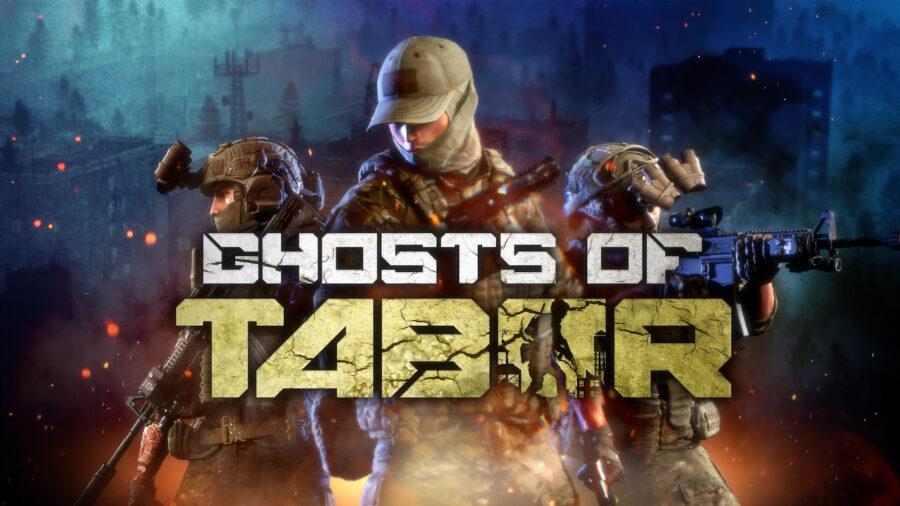
Ghosts of Tabor, the immersive extraction shooter developed by Combat Waffle Studios and published by Beyond Frames Entertainment, has officially launched on PlayStation VR2. This marks the game's first appearance on a console platform, expanding its availability beyond its existing presence on Meta Quest, Steam VR, and Pico. With this release, PlayStation VR2 users can now join the game's established community, thanks to full cross-play support across all supported platforms.
The arrival on PS VR2 is significant for both the game and the platform, as it brings a title that has already demonstrated strong engagement and commercial success. According to Combat Waffle Studios, Ghosts of Tabor has generated over USD $30 million in revenue and attracted more than one million players since its early access debut in March 2023. The game was also recently recognized by Meta as one of the top 50 best-selling titles of all time on the Meta Quest store. These milestones underscore the game's popularity and the growing appetite for high-quality, replayable VR experiences.
Ghosts of Tabor places players in the role of operatives navigating a tense environment where exploration, looting, combat, and crafting are essential for survival. The gameplay offers flexibility, allowing players to team up, go solo, or engage in player-versus-player encounters as they race to reach extraction points. The experience is designed to be immersive and replayable, with session times on Meta Quest reportedly matching the headset's battery life and many players investing more than 100 lifetime hours in the game. With the PS VR2’s tethered setup, players are now able to engage in longer, uninterrupted sessions, potentially increasing engagement further.
Industry observers may note that the successful transition of Ghosts of Tabor to PS VR2 is a testament to the game's robust design and the developer's commitment to supporting a broad player base. The addition of cross-play ensures that the community remains unified, regardless of hardware, which is a key consideration for developers and publishers looking to maximize player retention and engagement in the VR ecosystem. The game's performance and reception on PS VR2 will likely be watched closely as an indicator of both platform health and the viability of cross-platform VR titles.
Ghosts of Tabor is now available on PlayStation VR2, Meta Quest Store, Steam VR, and Pico, with cross-play functionality supported across all platforms.
Source: Auganix
Niantic and HTC Launch Global 'Forge the Future' Game Jam

Niantic Spatial and HTC’s Viverse have announced the "Forge the Future" Game Jam, a global competition designed to inspire the next generation of game developers. The event, which runs from May 12 to June 30, 2025, is open to creative minds worldwide, including developers, designers, and students. The focus is on producing innovative, cross-platform game concepts that span virtual reality, augmented reality, and other immersive technologies.
The competition is powered by Niantic’s 8th Wall platform and HTC’s Viverse ecosystem. According to Joel Udwin, Product Director at Niantic Spatial, the partnership aims to provide creators with the tools, funding, and exposure needed to shape the future of gaming. By leveraging Viverse, participants will have the opportunity to reach a global audience and experiment with cutting-edge, real-world, cross-platform play.
Participants in the Game Jam will benefit from more than just cash prizes. All entrants receive complimentary access to Niantic Studio on 8th Wall for the duration of the event, enabling them to develop and refine their projects with professional-grade tools. The competition welcomes both individuals and teams, reflecting its inclusive, global scope. The prize pool is substantial: first place is awarded $10,000, second place receives $6,000, and third place takes home $4,000. In addition, there are special category prizes of $2,000 and $1,000, recognizing standout achievements in specific areas.
Beyond financial rewards, the top three winners gain fast-track entry into the Viverse Creator Program. This program supports 3D creators in fields such as interactive storytelling, educational experiences, and e-commerce, and allows winners to distribute their 8th Wall-powered games directly through Viverse. All participants also have access to workshops, hands-on support, and exclusive industry events throughout the Game Jam, offering valuable networking and learning opportunities.
Registration for the "Forge the Future" Game Jam is now open at 8th.io/gamejam. The event officially kicks off with an information session on May 12. For those in the VR, AR, and spatial computing industries, this competition represents a significant opportunity to showcase talent, experiment with new technologies, and potentially launch the next big innovation in immersive gaming.
Source: MIXED
Spotted something wrong in this issue? Report it.