Meta Responds to Quest Update Issues as Pimax Reveals Dream Air
This issue covers Meta's response to Quest update problems, Pimax's Dream Air reveal, standout VR games of 2024, new hardware, and industry shifts.

Meta Responds to Quest Update Issues, Pimax Unveils Dream Air
The end of 2024 has brought significant developments in the XR industry, with Meta and Pimax making headlines for very different reasons. Meta faced a challenging situation after the release of its v72 Quest update, which reportedly rendered some headsets unusable, particularly those that had not been updated for a while and required a cumulative update. Affected users encountered a boot screen warning that the device was corrupt and could not be trusted, leaving them unable to use their headsets—an issue that was especially disruptive during the holiday season when many were hoping to enjoy their devices with family and friends.
Initially, Meta was slow to respond, with customer service reportedly unhelpful for users with out-of-warranty devices, likely due to the timing coinciding with the Winter Holidays. However, after mounting complaints, Meta acknowledged the problem, fixed the update bug, and provided guidance for restoring affected devices—even extending support to those out of warranty. The company is now offering a free Quest 3S replacement and Horizon Store credits to users whose devices remain bricked. While Meta ultimately managed the crisis, the incident highlights the risks of pushing major updates just before holiday periods, a lesson many in the industry will note for future releases.
Meanwhile, Pimax has announced the Dream Air headset, targeting a different segment of the XR market. Unlike Pimax's previous bulky, wide field-of-view devices, Dream Air is compact and positioned to compete with products like BigScreen Beyond, Visor, and MeganeX. The headset is expected to include advanced features such as hand tracking, eye tracking, automatic IPD adjustment, and an innovative automatic strap tightening mechanism for improved comfort. An optional external puck, called Cobb, will add standalone capabilities via a battery and Snapdragon XR2 chip.
Dream Air is reportedly priced at $1900, with a mid-2025 release planned. Pimax claims confidence in this timeline due to shared optical components with the Crystal Super, allowing parallel production. However, skepticism remains given Pimax's history of delays. Community reactions are mixed, with some welcoming the new device and others questioning the company's rapid product launches. Analysts suggest Pimax's strategy is to quickly respond to emerging PCVR trends with feature-rich, competitively priced products, a tactic that has yielded successes like the Crystal Light headset.
Elsewhere in the XR space, Meta is said to be developing a new Ray-Ban Meta model with a built-in display for notifications and AI responses, potentially expanding the appeal of its already successful smart glasses line. The upcoming CES event is also expected to bring major XR announcements from companies such as Sony, DPVR, and NVIDIA. Additionally, Meta's Horizon app has been among the most downloaded during the holidays, indicating strong Quest sales, while Pico has introduced SecureMR, a privacy-focused passthrough analysis solution.
Source: skarredghost.com
2024's Standout VR Games and Industry Shifts

The year 2024 proved to be a landmark for virtual reality gaming, with more high-profile releases than ever before. Major titles such as Batman: Arkham Shadow, Metro Awakening, Behemoth, and Alien: Rogue Incursion led a wave of big-budget games that captured both industry and player attention. Alongside these, the VR ecosystem was enriched by a host of indie projects and innovative mixed reality experiences, including Starship Home, Spatial Ops, and Wall Town Wonders, which collectively pushed the boundaries of what immersive gaming can offer.
Remasters also played a significant role this year, with previously overlooked gems like Witchblood, Raccoon Lagoon, and Augmented Empire finding new audiences, thanks in part to the widespread adoption of Meta Quest headsets. The modding community reached a milestone as Flat2VR Studios launched Trombone Champ: Unflattened, their first official VR game, signaling a shift toward more professional VR conversions of traditional titles. This trend is likely to encourage more developers to explore VR adaptations, further diversifying the market.
On the hardware front, Meta made waves in April by announcing it would license its Horizon OS to third-party manufacturers, a move that could bring a broader variety of specialized headsets to market. The success of Ray-Ban Meta Smart Glasses, despite the first generation's poor reception, suggests renewed consumer interest in smart eyewear. Meanwhile, Meta's Orion AR glasses prototype received positive feedback, hinting at a possible resurgence of interest in augmented reality hardware. The Meta Quest 3 benefited from a series of significant software updates, enhancing mixed reality features, multitasking, and usability, much to the delight of its user base.
However, not all developments were positive. Apple's entry into spatial computing with Vision Pro was widely seen as underwhelming, reportedly selling fewer than half a million units and struggling with high price, comfort, and a lack of compelling content. This tepid response may have influenced Meta and potential partners like LG to reconsider their own premium headset strategies. The closure of Ready at Dawn, once a promising VR studio acquired by Meta, highlighted the risks of corporate consolidation, with the loss of talent and unfulfilled potential as a cautionary tale for the industry.
Market competition intensified in 2024, with some studios resorting to steep discounts—up to 90 percent—on Meta Quest games in attempts to boost visibility in the crowded Horizon Store. While the long-standing VR gaming slump appears to be over, the sheer volume of new releases means that standing out is now more challenging than ever. For industry professionals, the message is clear: innovation and adaptability are essential in a rapidly evolving and increasingly competitive landscape.
Source: MIXED Reality News
Alien: Rogue Incursion Reviews Highlight Atmosphere, Repetition

Alien: Rogue Incursion, the final major VR title to launch this year, has arrived for PC VR and PlayStation VR 2, drawing attention from both critics and fans of the Alien franchise. As the year closes with a slate of high-profile VR releases such as Batman: Arkham Shadow, Metro Awakening, and Skydance's Behemoth, the question for many is whether Survios' latest entry stands out as the best of the bunch. Early reviews suggest a mixed but generally positive reception, with some important caveats for industry watchers and VR enthusiasts alike.
One of the most surprising revelations, as noted in early coverage, is that Alien: Rogue Incursion is only the first of two parts. This information has only recently come to light, and Survios has not clarified how or when the story will continue. Despite this, the game offers a substantial playtime of 8 to 10 hours, though players may find the ending abrupt and filled with unanswered questions—a classic cliffhanger that could frustrate those seeking closure.
Critical consensus on Metacritic, based on 16 reviews, places the game at an average score of 75 out of 100, with individual ratings ranging from a high of 100 to a low of 40. Reviewers widely praise the game's authentic recreation of the visual style and atmosphere of the Alien films, particularly the action-oriented tone of the 1986 sequel. The graphical presentation is considered a standout feature, with environments that effectively showcase the terrifying Xenomorphs as they move through a realistically lit research facility. However, technical issues have been reported, including performance problems on high-end PCs and visual artifacts on PlayStation VR 2 due to Sony's reprojection and anti-aliasing techniques.
Gameplay-wise, Alien: Rogue Incursion diverges sharply from the horror-focused Alien: Isolation, instead opting for a sci-fi shooter approach where players face relentless waves of Xenomorphs. While this shift delivers intense action, critics agree that the constant combat diminishes the monsters' sense of threat and leads to repetitive encounters. The open, explorable facility offers some freedom, but limited save points can force players to repeat significant sections after defeat. Interactivity with the environment is both a strength and a source of frustration, with some object interactions feeling awkward. The lack of variety in both combat and puzzles, as well as late-game backtracking, are the most common criticisms, echoing issues seen in other recent VR titles like Metro Awakening.
Alien: Rogue Incursion is available now on the PlayStation Store and Steam, with a Quest version expected in February 2025. For VR professionals, the game’s reception underscores the ongoing challenge of balancing atmosphere, gameplay variety, and technical polish in high-profile VR adaptations of beloved franchises.
Source: MIXED
Will VR Ever Match Ready Player One's Immersion?

The vision of virtual reality depicted in "Ready Player One"—where users don full-body haptic suits, gloves, and physically traverse vast digital landscapes indistinguishable from the real world—remains a distant dream, according to a recent discussion on MIXED Reality News. Responding to a reader's question about when VR will reach such levels of immersion, the outlet provided a sobering assessment: the technology to fully replicate the OASIS experience is not expected to arrive within our lifetimes.
Current VR systems excel at simulating visual and auditory environments, and significant progress has been made in these areas over the past decade. However, tactile feedback is still rudimentary, typically limited to vibrating controllers—technology that has existed for decades. While there are experimental VR vests and treadmills, these remain technically primitive and are not widely adopted due to their limited effectiveness and practicality for most users.
The article notes that the "Ready Player One" narrative glosses over the technical details of how its virtual world achieves such realism. Even if future hardware could deliver advanced haptic suits and omnidirectional treadmills, the sense of presence and natural interaction portrayed in the OASIS would still be elusive. Achieving that level of immersion would likely require sophisticated brain-computer interfaces capable of directly inducing sensory experiences—an idea that veers into the realm of science fiction, more akin to "The Matrix" than the relatively grounded vision of "Ready Player One." Such interfaces are considered far beyond the reach of current or near-future technology.
The article further argues that the term "virtual reality" may set unrealistic expectations, promising more than the technology can currently deliver. Throughout history, humanity has developed various immersive techniques, from storytelling and cave paintings to film and now VR. The piece suggests that VR is simply the latest step in this ongoing evolution, not its ultimate destination. Rather than becoming the dominant form of digital interaction, VR may remain just one of many applications for spatial computing and "face computers" in the future—and that's perfectly acceptable.
For industry professionals, this perspective serves as a reminder to temper expectations and focus on achievable advancements in user comfort, accessibility, and sensory engagement, rather than chasing the fully immersive, all-encompassing vision popularized by fiction. The practical future of VR may be less about total escapism and more about meaningful, incremental improvements that enhance real-world experiences.
Source: MIXED Reality News
VR Motion Sickness Remains a Challenge for the Industry
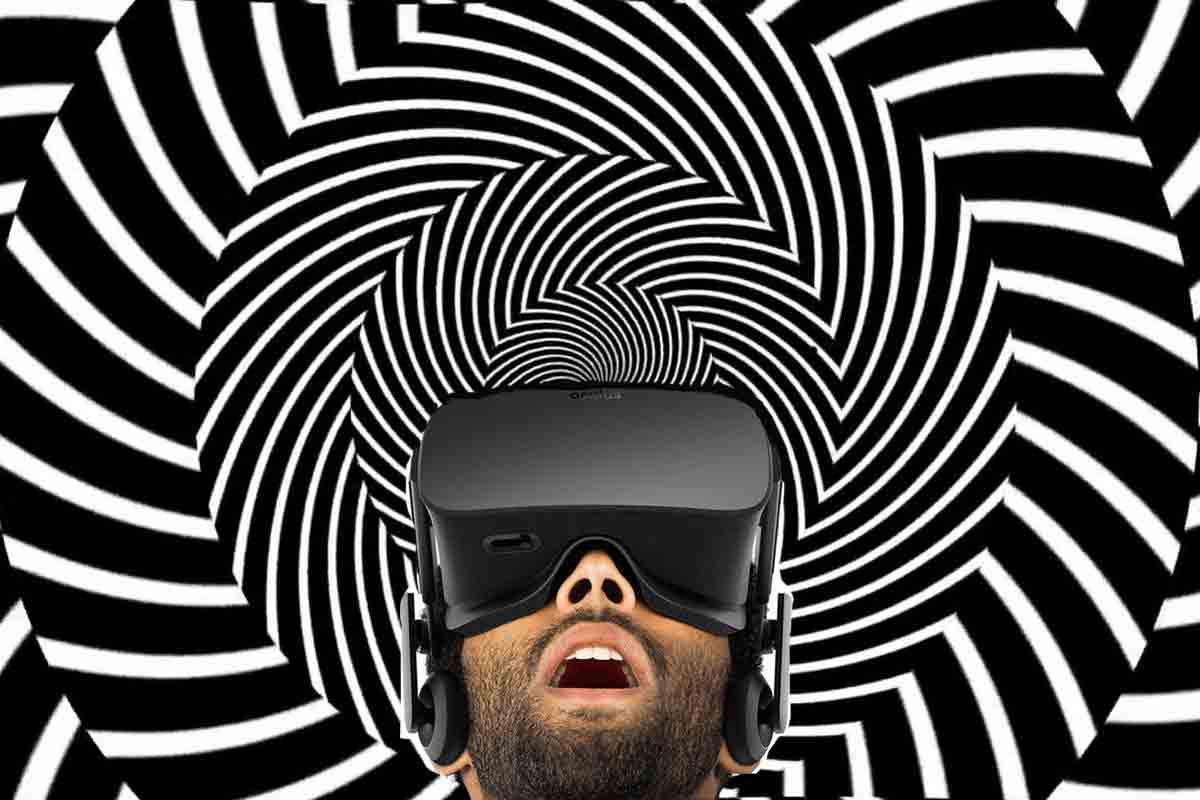
Despite major advances in virtual reality hardware and software, motion sickness—also known as VR nausea or cybersickness—remains a persistent obstacle for both users and developers. Although the industry has made progress in addressing this issue since the first consumer VR headsets launched nearly eight years ago, a technical solution that eliminates motion sickness entirely has yet to emerge.
Evidence of the ongoing challenge comes from a 2021 survey of 4,500 German VR users, which found that motion sickness was the most significant barrier to widespread VR adoption. According to the survey, two-thirds of respondents had experienced motion sickness at least once, and one-third reported feeling symptoms occasionally, often, or always when using VR. The symptoms—ranging from dizziness and headaches to nausea and, in severe cases, vomiting—are triggered when the sensory input from the eyes does not match the signals from the inner ear’s vestibular system. This sensory mismatch can occur during artificial locomotion in VR, such as moving through a virtual world using an analog stick while physically remaining stationary.
Developers have responded with a variety of strategies to mitigate motion sickness. Many VR experiences now offer different locomotion options, including teleportation and artificial tunnel vision (vignette effects), which can reduce discomfort for sensitive users. A catalog compiled by researchers lists over a hundred such techniques, providing guidance for developers and users alike. Hardware improvements have also played a role: modern headsets like the Meta Quest 3 and PlayStation VR 2 feature 6-DoF (degrees of freedom) tracking, which better aligns virtual and physical movements. High frame rates and low latency are now standard requirements for VR content published on major platforms, further reducing the likelihood of motion sickness.
Nonetheless, individual susceptibility to motion sickness varies widely, and there is no universal solution. Some users may feel ill after minimal exposure to artificial movement, while others can tolerate intense virtual experiences without issue. The best approach for users is to start with comfortable, beginner-friendly VR apps and gradually experiment with more demanding experiences, adjusting comfort settings as needed. Developers are encouraged to provide adaptable locomotion options and clear comfort ratings for their content. As the industry continues to innovate, motion sickness remains a critical consideration—one that cannot be ignored if VR is to achieve mainstream acceptance.
Source: MIXED
Understanding Visual Positioning Systems: How They Work and Key Uses

Visual Positioning Systems (VPS) are rapidly becoming a cornerstone technology for spatial computing and the emerging metaverse. A VPS is a cloud-based service that allows applications to pinpoint the exact position and orientation of a user’s device in real-world locations, enabling seamless interaction with persistent augmented reality (AR) content. According to definitions from both Niantic and Immersal, VPS works by processing images from a device’s camera and comparing visual cues against a database of spatial maps. This allows the system to accurately localize the device and determine its pose within an environment, whether indoors or outdoors.
VPS stands apart from other tracking technologies due to its ability to provide precise absolute positioning and orientation in large, complex spaces. While other methods like GPS, beacons, or QR codes have their own strengths, VPS excels when multiple users need to see virtual content anchored consistently in the same physical location. For example, if an AR experience places a virtual dragon emerging from a fountain in a city park, VPS ensures that every user—regardless of their position—sees the dragon in exactly the same spot. This level of spatial consistency is essential for shared AR experiences and is a key requirement for the future of large-scale spatial computing.
Practical use cases for VPS are already emerging across various industries. One major application is indoor navigation: in large venues like shopping malls, airports, or hospitals, VPS can guide users with AR arrows displayed on their devices, leading them to specific destinations. Immersal, a leading VPS provider, has implemented such a solution in the Mall of Tripla in Helsinki, demonstrating the system’s effectiveness over an 85,000 m² area. In industrial settings, VPS enables maintenance workers to view virtual overlays of pipe networks or building information models (BIM) directly on-site, streamlining inspections and repairs. Apps like AR4FM by Granlund and Caverion AR by FlyAR use VPS to superimpose critical data onto physical infrastructure, improving efficiency and accuracy.
Entertainment and marketing are also leveraging VPS to create engaging experiences, such as placing virtual characters in city landmarks or overlaying AR information in sports stadiums. These experiences rely on VPS to ensure that virtual elements remain anchored to their intended locations, regardless of where users are standing. Looking ahead, VPS is expected to play a foundational role in the metaverse—also referred to as large-scale spatial computing—by enabling consistent, city-wide augmentation of reality. For this vision to become a reality, accurate device localization at scale is essential, and VPS provides the necessary infrastructure.
Technically, VPS systems rely on computer vision techniques, particularly feature detection. Feature points—distinct, high-contrast elements in an image, like the corner of a poster or a detail on a building facade—are identified and matched against a spatial map. Algorithms such as KLT, SIFT, or SURF are used to extract and compare these features, allowing the VPS to triangulate the device’s position and orientation. The more textured an environment, the more feature points are available, increasing localization accuracy. This technical foundation makes VPS highly adaptable for both current AR applications and the anticipated demands of the metaverse.
Source: skarredghost.com
Infinite Inside Unveils First DLC: The Lost Depths
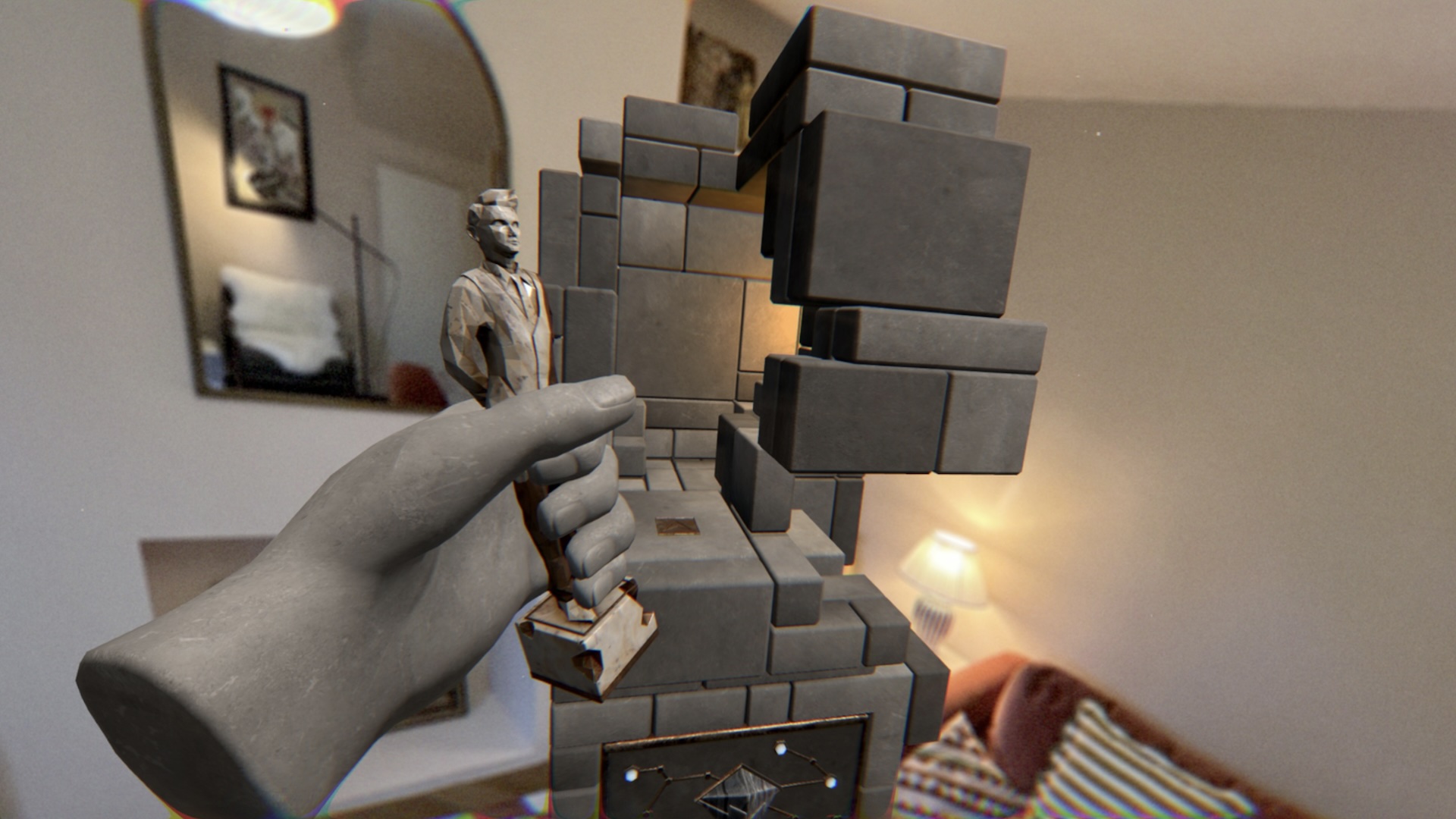
Maze Theory has announced the first downloadable content (DLC) for its acclaimed mixed reality puzzle adventure, Infinite Inside. Titled "The Lost Depths," the expansion invites players to explore the legendary lost civilization of Atlantis, weaving ancient mythology into the game's distinctive blend of spatial and virtual gameplay. This marks the first major content update for Infinite Inside since its initial release, and it aims to deepen the narrative and gameplay experience for fans and newcomers alike.
At the center of The Lost Depths is a new Plinth, a mysterious artifact that materializes in the player's real-world environment. This Plinth serves as the gateway to a fresh quest: players must recover a significant artifact and deliver it to Atlantis. Maze Theory emphasizes that the expansion will explore the Plinth's impact on ancient legends, adding a new layer of intrigue to the game's story-driven puzzles.
One of the key features introduced with this DLC is the Challenge Room. This timed mode tasks players with solving a puzzle before the room closes, a requirement for gaining the Plinth's trust and advancing the quest. The Challenge Room is designed with replayability in mind; players can return with different keys found throughout the game to attempt new high scores and compete on a global leaderboard. This addition caters to both competitive players and those seeking new challenges beyond the main story.
The Lost Depths will be available on a wide range of platforms, including Meta Quest 3 (S), PICO 4 (Ultra), PlayStation VR2, and PC-VR via Steam. However, a specific release date has not yet been provided. Notably, Infinite Inside leverages mixed reality features on Meta Quest and Pico 4 headsets, allowing the game to seamlessly blend virtual elements with the player's real-world environment. In contrast, the PlayStation VR2 and Steam VR versions focus solely on virtual reality, as they do not support the mixed reality components present in the other editions.
Infinite Inside is Maze Theory's first original title, following their work on VR adaptations of popular franchises such as Doctor Who: The Edge of Time and Peaky Blinders: The King's Ransom. The base game is known for its innovative use of a monolithic column that emerges in the player's living room, prompting users to solve geometric puzzles and uncover a mysterious narrative. The addition of The Lost Depths DLC expands on this foundation, offering new content and challenges that are likely to appeal to both existing fans and those interested in the evolving capabilities of mixed reality gaming.
Source: MIXED Reality News
Bipartisan Bill Proposes National Immersive Tech Strategy
A bipartisan bill has been introduced in both the House and Senate aiming to establish a national strategy for immersive technologies. The proposal seeks to coordinate efforts and policy around virtual reality, augmented reality, and related immersive tech at a federal level. If enacted, this legislation could impact the way immersive technologies are developed, regulated, and integrated across industries in the United States. The move reflects growing recognition of the importance of spatial computing and immersive tech for economic competitiveness and innovation. Source: FedScoopBerklee Online Launches Free VR Ear Training App for Meta Quest

Berklee College of Music has entered the world of virtual reality with the release of a free educational app for Meta Quest headsets, aiming to make ear training more accessible and engaging for musicians. The "Berklee Online Ear Trainer," now available on the Meta Horizon Store, is designed to help users develop their ability to recognize and reproduce musical elements such as pitch, rhythm, and harmony through immersive gameplay.
The VR app features three distinct game modes, each targeting a core aspect of musical ear training. In Rhythm mode, players use virtual drumsticks to replicate specific rhythms on a digital drum surface, providing a hands-on approach to timing and beat recognition. Harmony mode challenges users to identify musical intervals, triads, and seventh chords, sharpening their understanding of harmonic relationships. Scales mode focuses on identifying individual notes within a scale, an essential skill for both improvisation and composition.
Michael Moyes, chief operating officer of Berklee Online, emphasized that the app's goal is to demonstrate that anyone can develop their musical ear, regardless of background. By leveraging the playful and immersive qualities of VR, Berklee hopes to transform what is often seen as a tedious exercise into a fun and interactive experience. The project originated in 2021 when Moyes took a VR class at MIT, and it was further developed in collaboration with Berklee graduate Marshall Chadbourne and a former Harmonix developer, known for their work on music games like Rock Band.
Gilson Schachnik, Berklee's director of aural training, likened the process of developing a musical ear to learning a language, highlighting the importance of recognizing and processing sounds. The VR approach is intended to make this process more engaging, especially for those who may find traditional methods repetitive or uninspiring. For users without access to a Meta Quest 3, Quest 3S, or Quest 2, Berklee Online has announced plans to launch a 2D version of the app for iOS, Google, and Android platforms in early 2025, broadening its accessibility.
This VR app marks Berklee Online's first foray into virtual reality, with further projects already in development. Upcoming initiatives include VR composition lessons featuring a virtual Beethoven and the opportunity to conduct a virtual orchestra, drawing inspiration from experiences like Maestro. These efforts signal Berklee's commitment to exploring innovative technologies to enhance music education and training.
Source: MIXED
XR in 2024: Setbacks, Breakthroughs, and Industry Signals

As 2024 comes to a close, the XR industry finds itself at a crossroads, with the year marked by both setbacks and promising signs for the future. While some in the field describe the year as slightly negative, there is a growing consensus that the groundwork laid in 2024 could lead to significant advances in immersive technologies in the years ahead.
One of the most significant milestones this year was Apple’s entry into the XR space with the launch of the Apple Vision Pro. Apple’s strategy of entering new markets only when it sees long-term potential signals a strong belief in the future of AR and MR. The company’s presence has already influenced competitors: Meta accelerated updates to its Quest 3, incorporating features reminiscent of Apple’s headset, which has benefited Quest users and enriched the broader XR ecosystem.
Other major tech players also made notable moves. Google introduced the Android XR operating system, targeting AR, MR, and VR headsets, and, in partnership with Samsung, teased a mixed reality headset codenamed Project Moohan. These developments suggest that companies dominating the smartphone market now see renewed potential in immersive realities. Meanwhile, Meta maintained its commitment to XR despite layoffs and increased focus on AI, launching the Quest 3S—a more affordable mixed reality headset. Reports of the Meta smartphone app topping the App Store after Christmas indicate strong holiday sales, a positive sign for XR adoption.
While rumors of a new Valve headset have circulated for some time, recent discoveries of 3D models for the Roy controllers in SteamVR hint at a possible launch in 2025. Valve’s continued investment is significant, given its influence in PC gaming and its history of driving innovation in VR hardware. On the hardware front, headsets like Bigscreen Beyond, Visor, and MeganeX 8K Superlight are demonstrating that smaller, more wearable devices are possible, addressing a longstanding barrier to mainstream VR adoption. Even the Quest 3 shows progress in reducing bulk compared to previous generations.
The XR market is also seeing demographic shifts. Titles like Gorilla Tag, Penguin Paradise, and I Am Cat are attracting younger users, suggesting that the next generation of VR natives is emerging. While some adult users may find the influx of younger players disruptive, this trend bodes well for the industry’s future talent pool.
Ray-Ban Meta smartglasses have stood out as one of 2024’s most successful XR products, prompting competitors to explore similar offerings. Their success highlights the importance of product-market fit and effective distribution in driving adoption. Meta’s prototype AR glasses, Orion, showcased at Meta Connect, served as a high-profile demonstration of how close consumer AR has come to reality, even if the device remains prohibitively expensive for now.
Industry analysts and major venture capital firms like Andreessen Horowitz are increasingly bullish on XR, with public statements highlighting the sector’s potential. As the year ends, professionals in the field are encouraged to remain resilient and optimistic, as the signals from 2024 point to a maturing market with significant opportunities ahead.
Source: Skarredghost
Meta Addresses Quest Software Issue Affecting VR Headsets
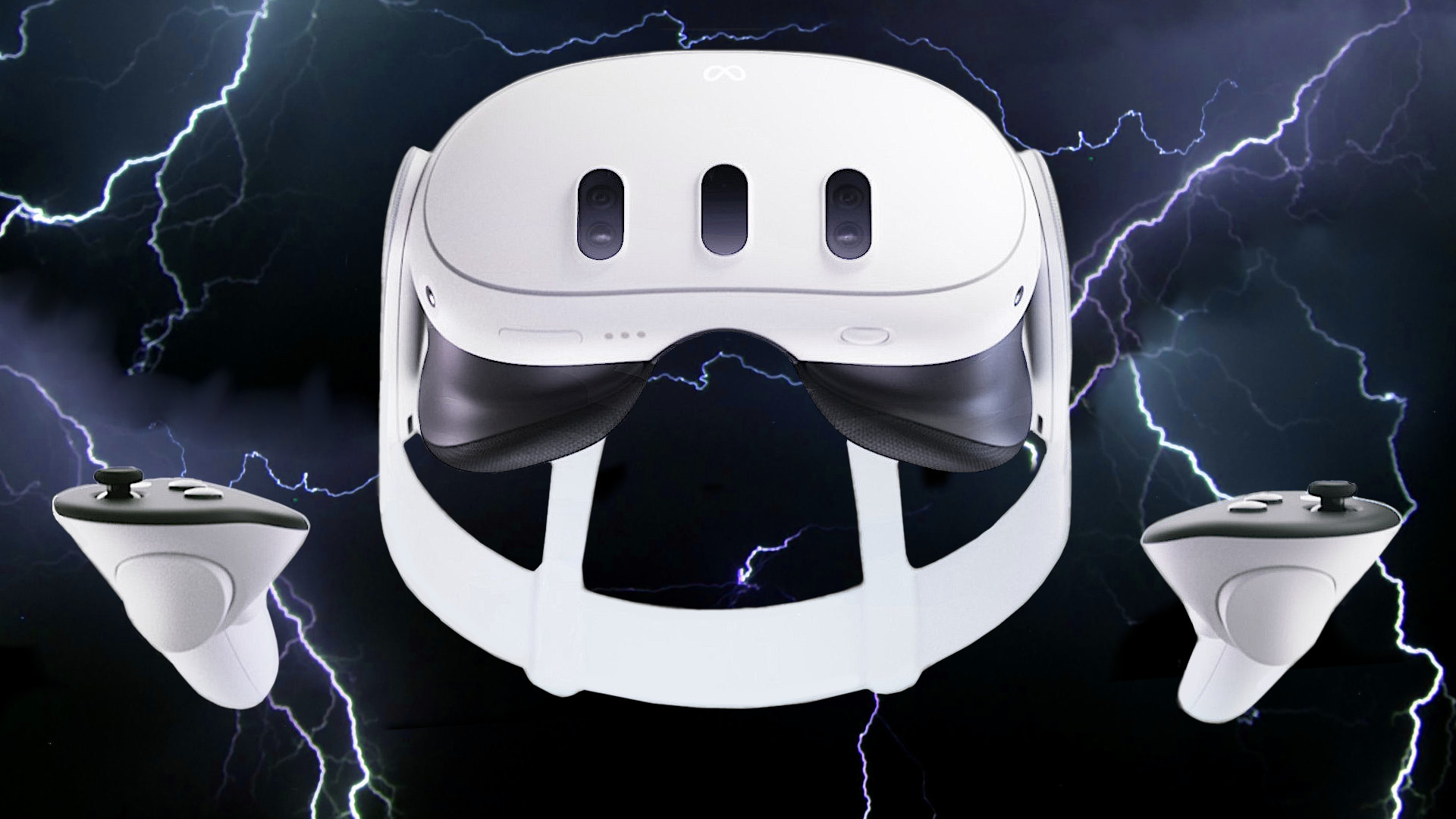
Meta has responded to a significant software update issue that left many Quest 2, Quest 3, and Quest 3S headsets unresponsive, confirming that the problem is now largely under control for most users. The issue first came to light after numerous reports from frustrated Quest owners, particularly on Reddit and Meta’s official forums, described their headsets failing to start up correctly after attempting a firmware update. According to Meta’s community manager, DwightMc25, the company is actively working to resolve the issue for all users, but most should now be able to use their devices normally. For those whose headsets remain unresponsive, Meta recommends contacting customer support through its Help Center for personalized assistance.
The specific cause of the software malfunction remains unclear, but reports suggest that the problem disproportionately affected older headsets that had not been used for an extended period. Attempting to update these dormant devices to the latest firmware sometimes rendered them unusable, with the Quest 2 appearing in user complaints more frequently than the newer Quest 3. Meta’s initial advice was to attempt a hard reboot by holding the power button for 45 seconds, but this did not resolve the issue for all users. In cases where the headset was out of warranty and could not be revived, some users reported being offered a refurbished replacement unit for $150.
While Meta’s swift acknowledgment and partial resolution of the software bug will be reassuring to many in the VR industry, the incident highlights ongoing challenges in device maintenance and update management, especially as the installed base of Quest headsets ages. For developers and operators, the event underscores the importance of robust firmware update processes and clear communication channels for technical support. The fact that Meta is offering refurbished replacements at a cost for out-of-warranty devices may also influence purchasing decisions and perceptions of long-term support among enterprise and enthusiast users alike.
Complicating matters, MIXED recently reported on a separate design flaw involving Quest headsets and intensive fitness use. According to numerous user reports, frequent use of fitness apps such as Supernatural, Les Mills XR Bodycombat, or Eleven Table Tennis can lead to hardware failures, including tracking issues, boot loops, and charging problems. In one extreme case, a user had to replace their headset four times in four months. While Meta generally replaces these defective units free of charge—albeit with refurbished models—the underlying technical issue, possibly related to sweat ingress, remains unresolved. This points to a need for improved hardware durability and better sealing of electronics, similar to advancements seen in modern smartphones.
For industry professionals, these developments serve as a reminder of the complex interplay between software reliability, hardware resilience, and customer support in the evolving VR ecosystem. Ongoing vigilance and proactive communication will be key to maintaining user trust and minimizing downtime as the technology matures.
Source: MIXED
Spotted something wrong in this issue? Report it.