HTC Vive Focus Vision Debuts in Singapore’s XR Market
This issue covers HTC Vive Focus Vision’s Singapore launch, Valve’s new VR controllers, major PSVR 2 updates, and VR in healthcare and training.
HTC Vive Focus Vision launches in Singapore
HTC has launched the Vive Focus Vision PC VR headset in Singapore. This marks the arrival of the device in a new regional market, expanding HTC's presence in Southeast Asia.
Source: HardwareZone
Leaked Renders Reveal Valve's Next-Gen VR Controllers
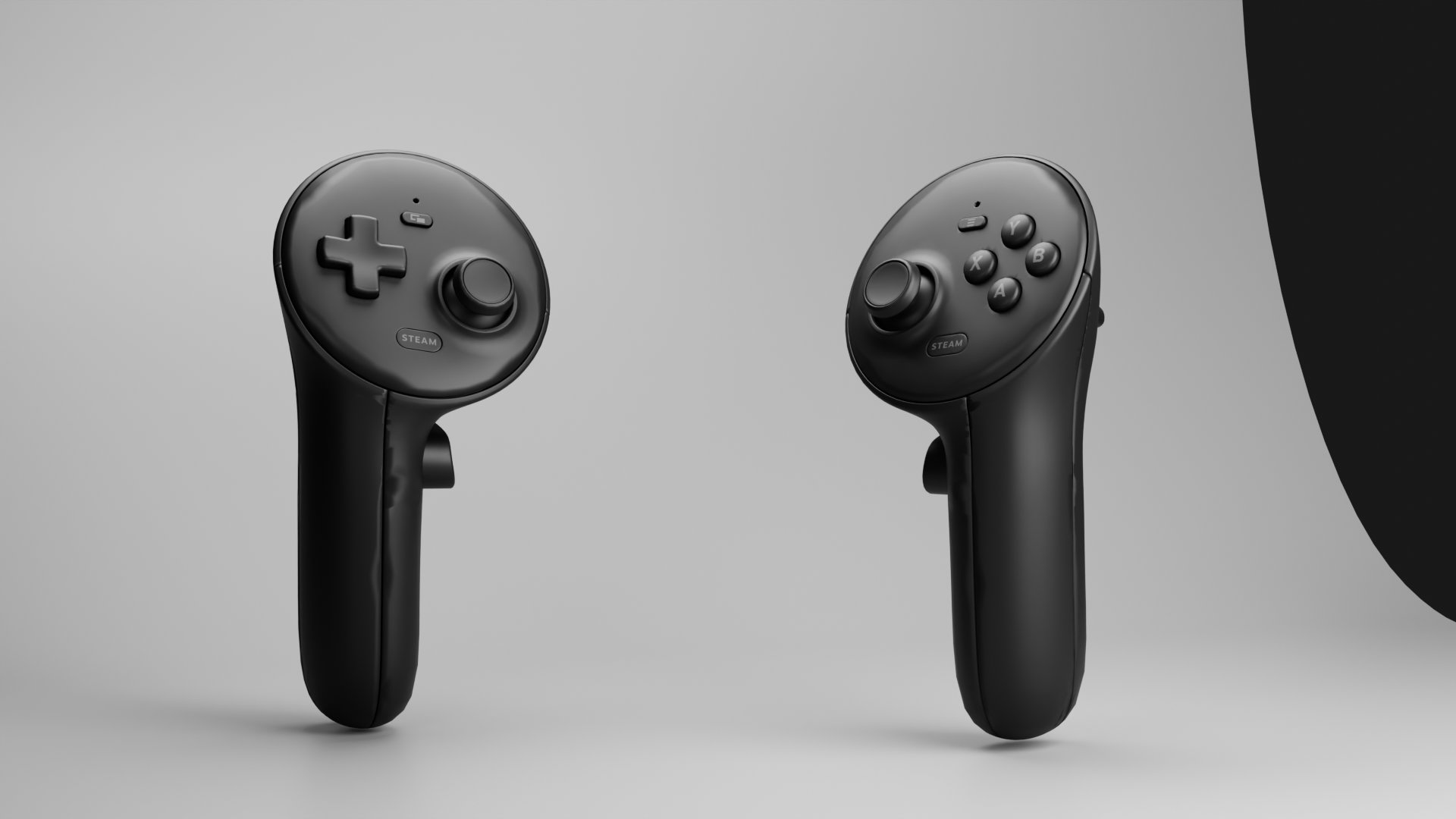
Valve's upcoming VR controllers, codenamed "Roy," have been revealed through leaked 3D render models discovered by VR leaker Brad Lynch and his datamining team. The renders, found in SteamVR drivers, confirm recent rumors and provide the most detailed look yet at Valve's next-generation input devices. Valve has since acted to remove the leaked files, but not before the details spread across the VR community.
The leaked models indicate that the Roy controllers will feature a DPAD, bumpers, ABXY buttons, thumbsticks, and grip triggers. This configuration suggests a strong focus on compatibility with traditional Steam games, potentially offering a "Gamepad Mode" as hinted by a discovered texture. Professional renders from X user Down visualize the controllers' potential final appearance, showing a design that is slightly smaller than the current Valve Index controllers and notably lacking the tracking rings found on previous models. This marks a significant shift in design philosophy, as the new controllers are expected to use camera-based tracking, aligning with industry trends toward inside-out tracking systems. The absence of tracking rings also brings them closer in form factor to Meta's Touch Plus controllers.
Another notable change is the approach to straps: according to Lynch's sources, the straps will be optional and integrated into separate battery doors, similar to the Touch Plus Active Straps. This modular approach could appeal to users who prefer different levels of security and comfort during gameplay. The Roy controllers are reportedly being tooled for mass production, fueling speculation that Valve is preparing a broader hardware refresh. With the Valve Index nearing its sixth anniversary in 2025, the timing of these leaks has led to renewed hopes for a new Valve VR headset, known by the codename "Deckard." The evidence of camera-based tracking further supports the expectation that Deckard will utilize inside-out tracking, moving away from the base station system used by the Index.
In addition to the Roy controllers, dataminers also uncovered references to a new Steam Controller, codenamed "Ibex." A thumbnail render of the Ibex was found in the SteamVR drivers, and Lynch's sources claim it is also being prepared for mass production. This suggests that Valve may be planning a coordinated hardware launch that targets both VR enthusiasts and traditional gamers.
For professionals in the VR industry, these leaks signal a possible shift in Valve's hardware strategy, with an emphasis on versatility, improved ergonomics, and broader compatibility. The move toward inside-out tracking and modular accessories could influence future development and user expectations across the VR ecosystem.
Source: MIXED
Halo: Combat Evolved Gets Full VR Mod for Classic PC Version
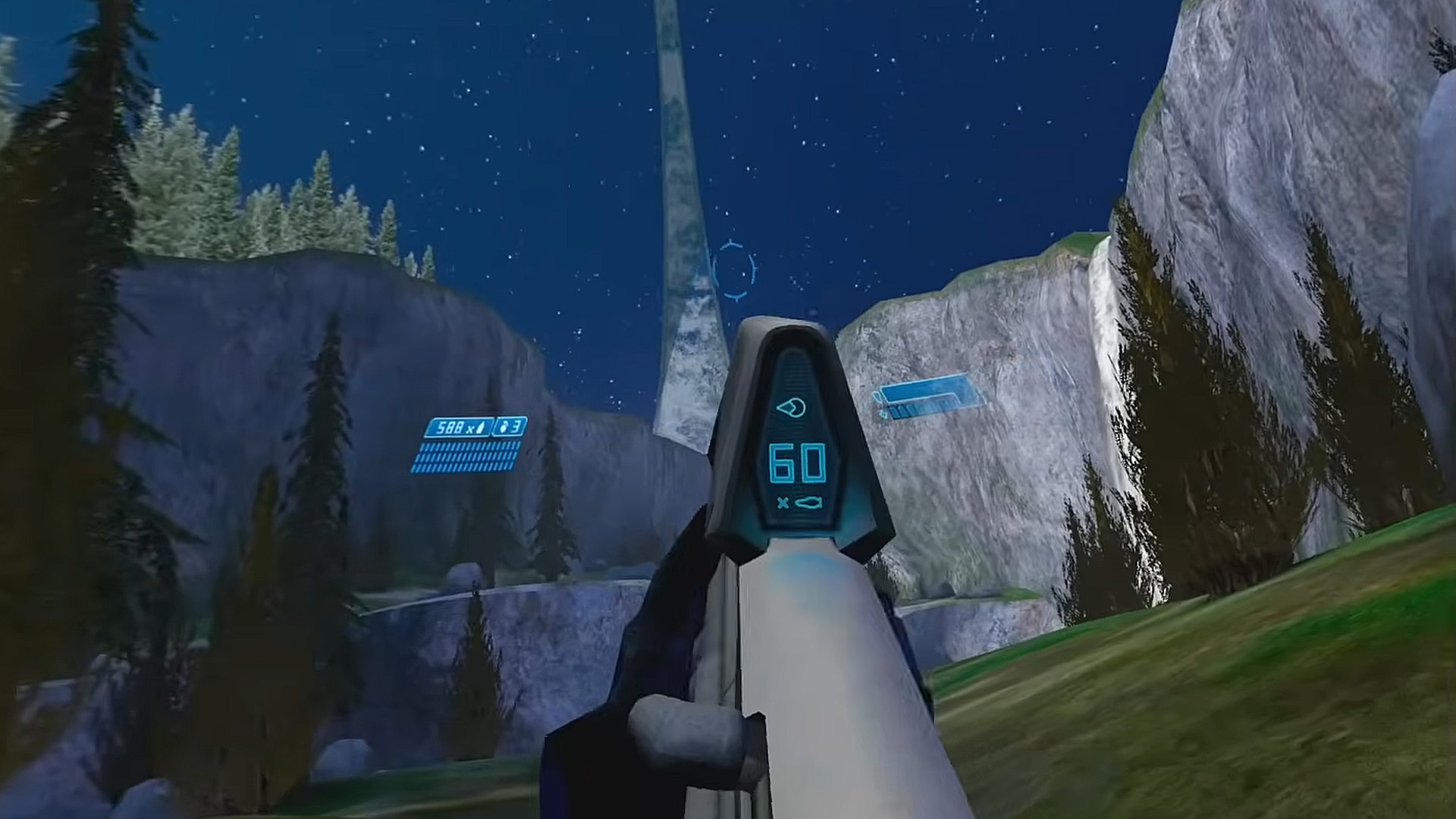
The iconic first-person shooter Halo: Combat Evolved has been brought into the world of virtual reality, thanks to a comprehensive VR mod developed by LivingFray. This development allows fans of the original game to experience its legendary campaign and gameplay mechanics in a fully immersive VR environment. However, there is a key requirement: the mod is only compatible with the 2003 PC port of Halo: Combat Evolved. Those who own the more recent 2019 Master Chief Collection will not be able to use this VR adaptation.
The VR mod offers a wide range of features designed to make the Halo experience as authentic and comfortable as possible in virtual reality. Players can expect a fully synchronized stereoscopic view, which is essential for immersion in VR. Weapon and grenade targeting have been adapted to support spatial input, allowing for more intuitive aiming and throwing. The mod also includes a working picture-in-picture scope for weapons that support it, giving players the ability to aim down sights in a way that feels natural in VR.
Other notable features include two-handed aiming, which enhances realism and control, as well as rebindable controls with a preset for left-handed users. Motion-based melee attacks have been implemented, letting players physically swing their controllers to perform close-quarters combat. Additional VR-specific enhancements such as flashlight activation, crouching, a floating user interface, and a floating crosshair are also present. These features collectively aim to preserve the feel of the original game while leveraging the strengths of VR hardware.
For those interested in trying out the mod, it is available for download on Github, where users can also find detailed installation instructions and a list of known minor bugs and issues. This VR adaptation is a significant milestone for modders and VR enthusiasts, as it demonstrates the potential for classic titles to be revitalized for new audiences and technologies. For industry professionals, it highlights the ongoing demand for VR content and the importance of community-driven projects in expanding the VR ecosystem.
Source: MIXED Reality News
Key Mixed Reality Concepts for Engineers
Mixed reality (MR) is becoming increasingly important for engineers as it blends digital and physical environments, offering new possibilities for design, simulation, and collaboration. Understanding the fundamentals of MR can help engineers leverage these tools for more efficient and innovative workflows.
Source: Engineering.com, Nature
NJ Hospital Uses VR in First Transnasal Endoscopy
Hackensack Meridian Children’s Health Joseph M. Sanzari Children’s Hospital has performed New Jersey’s first transnasal endoscopy procedure using virtual reality technology. This marks a notable advancement in the integration of VR within pediatric medical procedures in the state.
The use of virtual reality in this context highlights the growing role of immersive technologies in healthcare, particularly for minimally invasive procedures. Medical professionals and VR industry stakeholders may see this as an indicator of increasing adoption of spatial computing solutions in clinical environments.
Source: Newswise.
An Overview of Spatial Computing
Spatial computing refers to the integration of digital information with the physical world, enabling new ways for users to interact with data and environments. This technology underpins many recent advances in virtual and augmented reality.
Spatial computing is increasingly relevant for professionals working in VR, AR, and mixed reality, as it shapes the future of immersive experiences and user interfaces.
Source: Orange.com
VR Used to Train Dementia Caregivers
Researchers and organizations are exploring the use of virtual reality (VR) technology to enhance training for dementia caregivers. By immersing caregivers in realistic simulations, VR aims to improve understanding and empathy for those living with dementia, potentially leading to better care outcomes.
This approach could offer new opportunities for caregiver education, allowing participants to experience scenarios they may encounter in real life. As the demand for dementia care continues to grow, innovative training methods like VR may play an increasingly important role.
Source: Being Patient
December 2024: Eight VR and MR Games to Watch
December 2024 is shaping up to be an exciting month for virtual and mixed reality gaming, with a diverse slate of new titles launching across major platforms. From immersive puzzle adventures to intense action and sports simulations, the month’s lineup showcases both established franchises and innovative new experiences tailored for VR and MR enthusiasts.
Among the most anticipated releases is The House of Da Vinci VR, a virtual reality adaptation of the acclaimed 2017 puzzle game. Players step into the shoes of Leonardo da Vinci’s apprentice, navigating the art-filled streets of 1506 Florence to unravel the mystery of the master’s disappearance. The game features puzzles inspired by Da Vinci’s inventions, with environments and mechanics reimagined for VR. It is set to launch on both the Horizon Store and Steam, expanding its reach to a broader VR audience.
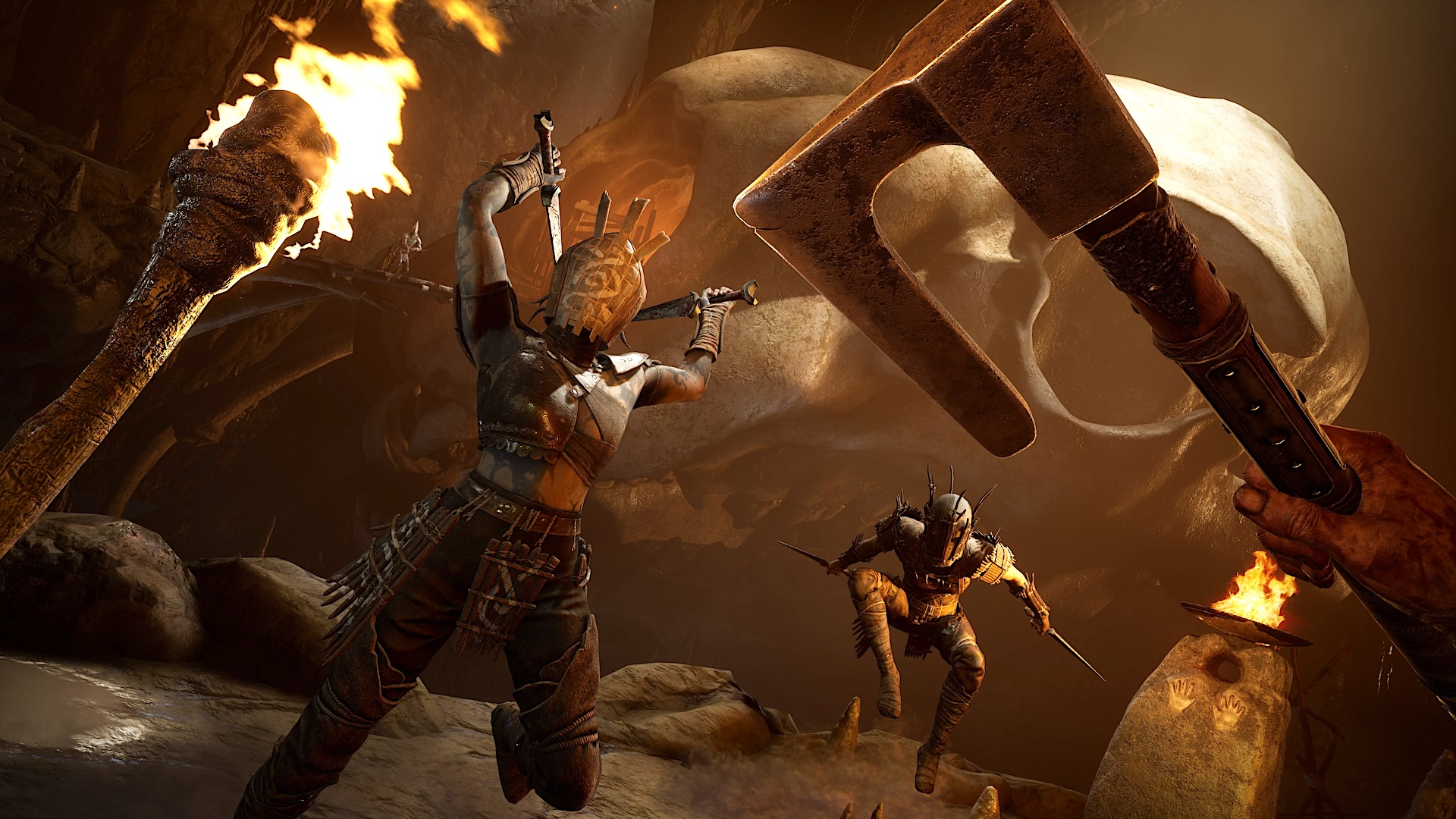
Another standout is Behemoth, developed by the team behind The Walking Dead: Saints & Sinners. In this title, players take on the role of Wren, a hunter tasked with defeating colossal creatures in a cursed wasteland to save her village. With a focus on physics-based melee combat, Behemoth promises an intense, action-driven experience. The game will be available on the Horizon Store and Playstation Store, though details on PC VR platform support remain unclear.
For those seeking lighter entertainment, Songbird introduces karaoke to VR, offering 33 popular tracks at launch and two modes: Quick Play for casual singing and Performance Mode for those seeking a challenge. Sports fans can look forward to Home Sports from Resolution Games, which blends pickleball, hockey, bowling, mini golf, and badminton into a single mixed reality experience. Designed for both solo and multiplayer sessions, it supports local multiplayer for groups with multiple Quest headsets, reminiscent of the social fun of Wii Sports.
The action genre is represented by Action Hero, where players become the protagonist in five different movie-inspired scenarios, battling waves of enemies in slow motion—a mechanic reminiscent of Superhot VR. Meanwhile, Alien: Rogue Incursion marks the first Alien franchise game built specifically for VR. Players control marine Zula Hendricks as she battles genetically enhanced Xenomorphs on a remote research station. This title arrives on Steam and the Playstation Store in December, with a Quest version scheduled for February 2025.
Rounding out the list are Boxing Underdog, a VR boxing simulation with career and multiplayer modes emphasizing realism and avatar customization, and Shattered, a mixed reality escape room thriller that transforms your home into a haunted mental institution. Shattered releases for Meta Quest 3S and Quest 3 via the Horizon Store.
For industry professionals, these releases highlight the continued evolution of VR and MR gaming, with developers leveraging platform capabilities to deliver richer, more varied experiences. The blend of new IPs, beloved franchises, and innovative use of mixed reality demonstrates a maturing market and growing confidence in immersive technology as a medium for both entertainment and social play.
Source: MIXED
Major Black Friday Discounts on High-End PC Hardware

Amazon's Black Friday Week is bringing significant savings on high-end PC hardware, with deals running until December 2, 2024. Both Amazon and participating Marketplace retailers are offering deep discounts on a range of components, making this a prime opportunity for VR professionals, gamers, and content creators to upgrade their systems at reduced prices.
The highlight of this year's sale is the AMD Ryzen 9 7950X, a 16-core, 32-thread desktop processor built on advanced 5 nm process technology. This unlocked CPU boasts a base clock speed of 4.5 GHz, 16 MB of L2 cache, and 64 MB of L3 cache, enabling rapid data processing and efficient multitasking. The integrated AMD Radeon Graphics controller further enhances visual performance, making it a strong choice for those who demand top-tier computing power for VR development, rendering, and gaming. The processor’s energy efficiency and overclocking capabilities are key selling points for professionals seeking both performance and flexibility.
For graphics, the ASUS TUF Gaming Radeon RX 7900 XTX OC Edition stands out with its substantial 24GB GDDR6 memory and support for the latest connectivity standards, including PCIe 4.0, HDMI 2.1a, and DisplayPort 2.1. This card is tailored for users who require high-resolution visuals and seamless compatibility with cutting-edge displays, making it well-suited for demanding VR and mixed reality workflows. Alternatively, the ASUS SFF-Ready Prime GeForce RTX 4070 Super OC Edition offers a compact form factor ideal for small builds, featuring 12GB GDDR6X memory and NVIDIA’s DLSS 3 technology for advanced upscaling and real-time rendering. This makes it a practical option for VR developers or enthusiasts with limited space but high performance needs.
Other notable deals include the AMD Ryzen 7 5700X, an 8-core, 16-thread processor designed for efficient gaming and content creation, and two high-performance RAM kits from Crucial Pro. The Crucial Pro RAM 96 GB Kit delivers DDR5 speeds up to 5600MHz for memory-intensive applications, while the Crucial Pro DDR5 RAM 32 GB Kit offers 6000MHz speeds and low latency, supporting both Intel XMP 3.0 and AMD Expo profiles for stable overclocking. These memory solutions are particularly relevant for professionals running complex VR simulations or multitasking across demanding applications.
For those in the VR and spatial computing industry, these Black Friday deals represent a significant opportunity to upgrade workstations or build new systems with cutting-edge components at a fraction of their usual cost. The combination of high-performance CPUs, GPUs, and memory ensures that even the most demanding workflows—such as VR development, 3D modeling, and real-time rendering—can be handled efficiently. With deals ending December 2, industry professionals should act quickly to take advantage of these offers and enhance their hardware capabilities for the year ahead.
Source: MIXED
Sony Showcases PSVR 2 Lineup with New Trailer and Discount
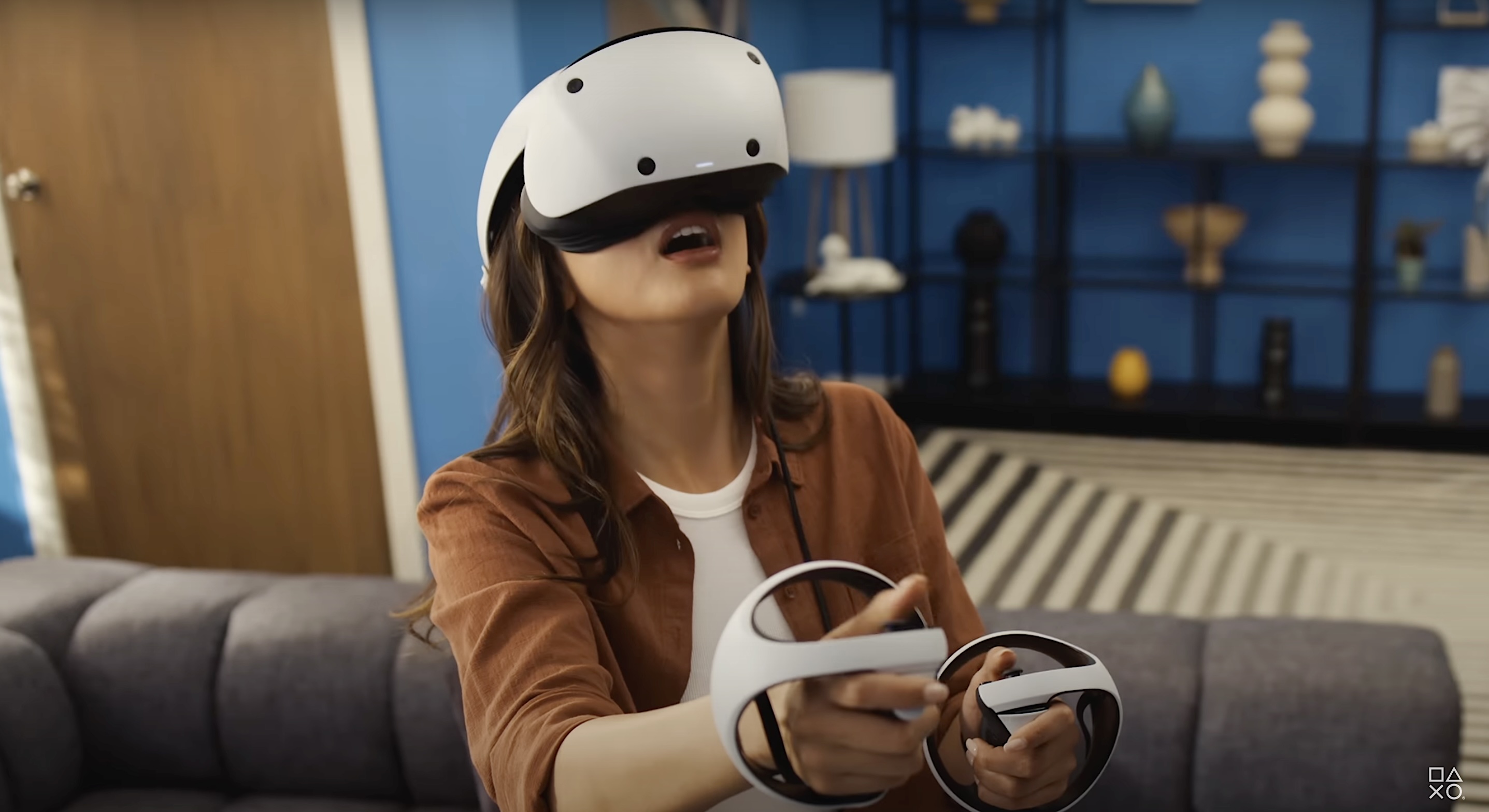
Sony has launched a new promotional campaign for the Playstation VR 2, releasing a trailer that spotlights both current and upcoming titles for the headset. This push coincides with a price reduction, bringing the PSVR 2 down to $350, as Sony looks to attract more players to its VR ecosystem. The trailer is designed to highlight the breadth of experiences available now and tease several highly anticipated games set to arrive in the coming months.
Among the recent releases featured is Metro Awakening, a full-fledged entry in the Metro franchise built specifically for virtual reality. This title joins other available games such as the co-op action RPG Legendary Tales and the first-person shooter Vendetta Forever, both of which are already accessible to PSVR 2 owners. These games demonstrate Sony’s commitment to offering a diverse range of genres, from narrative-driven adventures to action-packed shooters, on its platform.
Looking ahead, the trailer teases several notable upcoming releases. Aces of Thunder, a flight simulator featuring World War II dogfights and realistic flight physics, has been delayed until next year but remains a highlight for fans of immersive cockpit experiences. Another major title, Behemoth, is set for release on December 5, 2024. Developed by the creators of The Walking Dead: Saints & Sinners, Behemoth promises physics-based melee combat as players hunt giant creatures in a cursed wasteland. Meanwhile, Hitman: World of Assassination is bringing the entire stealth trilogy to VR with new mechanics and object interactions, now scheduled for release on March 27, 2024 after a delay.
The trailer also introduces unique experiences such as The Midnight Walk, a dark fantasy adventure where every element is hand-modeled in clay and scanned into the game, offering a distinct visual style. Wanderer: Fragments of Fate is another upcoming title, set to launch in 2025, which allows players to travel through time and influence historical events by inhabiting the bodies of people from different eras. Notably absent from the trailer is Alien: Rogue Incursion, the first Alien game designed from the ground up for VR, where players take on the role of soldier Zula Hendricks investigating a Xenomorph-overrun research station.
For industry professionals, Sony’s latest trailer signals a continued investment in high-quality, varied VR content and a willingness to support both established franchises and innovative new experiences. The combination of a hardware discount and a robust software lineup could help drive adoption and engagement, especially as the platform competes with other VR ecosystems. Developers and publishers may see this as an encouraging sign for the platform’s future, with opportunities to reach a growing audience hungry for both blockbuster and experimental VR titles.
Source: MIXED
Gran Turismo 7 PSVR 2 Visuals Enhanced with PS5 Pro Update

Gran Turismo 7 players using PlayStation VR 2 have received a notable upgrade, thanks to the latest update from Polyphony Digital. The newly released update 1.54 for Gran Turismo 7 brings enhanced support for the PlayStation 5 Pro, with a particular focus on improving the VR experience for PSVR 2 owners. This update is attracting attention from the VR community, as it introduces both technical and content enhancements that could set a new standard for console-based racing simulations in virtual reality.
One of the most significant changes in this update is the addition of a new graphics option called "VR Positional Reprojection." According to community feedback, particularly from discussions on Reddit, this feature delivers a much clearer image and smoother gameplay in VR mode. Users have reported that the visual clarity has noticeably improved, making the racing experience more immersive and visually appealing. However, some players have also noted that this setting can introduce visual artifacts, suggesting that while the overall experience is enhanced, there may be trade-offs depending on user preferences and sensitivity to these effects.
The update is not limited to visual improvements. Polyphony Digital has also added five new cars and a new wheel brand, expanding the content available to players and offering more variety for both traditional and VR racers. While the full release notes detail additional changes and enhancements, the focus for PSVR 2 users remains on the improved clarity and smoothness that the PS5 Pro’s increased capabilities now enable. This marks a step forward for VR racing on consoles, as developers continue to leverage more powerful hardware to deliver richer, more immersive experiences.
For professionals working in the VR and spatial computing industry, this update highlights the growing importance of optimizing software for next-generation hardware. The introduction of options like "VR Positional Reprojection" demonstrates how developers can use advanced rendering techniques to balance performance and visual fidelity in demanding applications like racing simulations. As more PSVR 2 titles begin to support PS5 Pro enhancements, studios will need to consider similar strategies to remain competitive and meet evolving user expectations. The community’s active discussion around these improvements also points to a highly engaged user base that values both technical innovation and transparent communication about potential trade-offs.
Source: MIXED
EXOCars Launches First VR Racing Tournament with Quest 3S Prize

EXOCars, a recently released VR racing game, is kicking off its inaugural tournament, giving players the chance to compete for prizes including a Meta Quest 3S headset. The tournament, which begins November 28th and runs through December 9th, is open to players on both Meta Quest and SteamVR platforms. This event marks the first major community competition for EXOCars since its launch on November 14th, fulfilling a promise from the developer to engage players with competitive opportunities and rewards.
To participate, players simply need to access the tournament from the game's main menu—there is no in-game currency entry fee for this first event, making it accessible to all current owners of the title. Every participant will receive an exclusive car design created specifically for this tournament, adding a collectible incentive beyond the main prize. While detailed rules were not available at the time of reporting, the developer has indicated that they will be visible within the game when the tournament starts, and further information will be shared via the official Discord server.
EXOCars distinguishes itself in the VR racing genre by putting players behind the wheel of exoskeleton racing cars. The game offers four modes: a single-player career mode, classic multiplayer racing, a battle mode featuring weapons and power-ups, and the new tournament mode. Early impressions of the game on Quest 3 highlight its varied environments and intense driving experience, though some players prone to motion sickness may find the gameplay challenging.
This tournament represents a significant opportunity for VR racing enthusiasts and industry professionals to observe how competitive events can drive engagement and retention in new VR titles. By removing entry barriers and offering both exclusive digital rewards and high-value hardware prizes, EXOCars' developer is setting a precedent for community-building in the VR racing space. The outcome of this tournament may provide valuable insights for other studios considering similar initiatives to grow their player base and foster long-term engagement.
Source: MIXED
Spotted something wrong in this issue? Report it.